When you’re planning a new home, timing shapes everything else: your lease, your loan, even the school year. So how long does it take to build a house in Indiana? The answer depends on which clock you’re reading, and most of the averages you’ll find online never say.
Key Takeaways
- Start with the national average. A new single-family home took 8.8 months from building permit to completion in 2025, including 1.4 months waiting to start and 7.4 months of construction.
- Value Built Homes typically builds in approximately 5 to 7 months. That range runs from breaking ground to move-in, so the fair comparison is the 7.4-month national construction average.
- The permit wait is short in Indiana’s region. In the Census division that includes Indiana and Illinois, the wait from permit to construction start averaged 1 month in 2025, tied for the shortest in the country.
- Who builds the home changes the timeline. Homes built for sale averaged 7.4 months from permit to completion, contractor-built homes about 11.7 months, and owner-built homes 14.3 months.
- A longer build costs more to carry. Construction loans are usually short-term and advanced in stages. Value Built Homes pays the interest on that loan during the build phase.
What the build-time numbers actually measure, and where an Indiana build fits
Every “average build time” figure describes one of the three windows below.
| Window | What it covers | 2025 national average | Indiana and tri-state context |
|---|---|---|---|
| Permit to groundbreaking | From the building permit to the start of excavation for the footings or foundation | 1.4 months | 1 month in the East North Central division (Indiana and Illinois), tied for the shortest in the country |
| Groundbreaking to completion | From the start of excavation to finished flooring installed | 7.4 months | Value Built Homes: approximately 5 to 7 months, breaking ground to move-in |
| Permit to completion | The full window most “average build time” figures quote | 8.8 months | East North Central is not among the five divisions above the national average. Kentucky’s division, East South Central: 9.1 months |
Sources: national averages and division figures, NAHB analysis of the Census Bureau’s 2025 Survey of Construction. Window definitions, U.S. Census Bureau. Division membership, U.S. Census Bureau. Value Built Homes range, Value Built Homes.
How Long Does It Take to Build a House on Average?
Building a new single-family home in the United States took an average of 8.8 months from permit to completion in 2025, based on NAHB’s analysis of Census Bureau data. That total breaks into 1.4 months between the permit and the start of construction and 7.4 months of construction itself.
Builds moved faster in 2025 than in any of the previous three years. Even so, the average time to build a house is still around 1.6 months longer than it was in 2015.
How Build Time Changes With the Size of the Home
Above 4,000 square feet, build time climbs with size. Homes from 1,200 to 3,999 square feet finished in around 9 months from permit to completion, while homes over 6,000 square feet took 16.3 months.
What Does the Average Build Time Actually Measure?
Average build time figures come from the Census Bureau’s Survey of Construction, which tracks two separate windows: the time from permit to construction start, and the time from start to completion. The 8.8-month figure adds both together. The 7.4-month figure covers construction only. Many articles quote one without saying which.
The Census Bureau defines each milestone precisely:
- Permit: Authorization happens when the local jurisdiction approves the project by issuing a building or zoning permit.
- Start: Construction starts when excavation begins for the footings or foundation of the home.
- Completion: A house is complete when all finished flooring has been installed. If the owner moves in before that point, it counts as complete at occupancy.
A builder timeline quoted “from breaking ground” describes the construction window, so it belongs next to the construction-only average.
The permit window is mostly paperwork, and it varies by county and city. This guide to building permits in Southwest Indiana, Southeastern Illinois, and Western Kentucky explains who issues what.
How Long Does It Take to Build a House in Indiana?
In Southwestern Indiana, a Value Built Homes home typically takes approximately 5 to 7 months from breaking ground to move-in. Before that, the wait from permit to construction start averaged 1 month in Indiana’s Census division in 2025, tied for the shortest in the country. Your floor plan, lot, and the weather set the exact schedule.
NAHB’s analysis reports build times by Census division, not by state, so the division is the closest official read on Indiana. The Census Bureau places Indiana in the East North Central division with Illinois, Michigan, Ohio, and Wisconsin. That division isn’t among the five divisions that ran longer than the 8.8-month national average.
Comparing Value Built Homes’ Timeline With the Right National Number
Value Built Homes’ approximately 5 to 7 months runs from breaking ground to move-in. That lines up most closely with the Census start-to-completion window, so compare it with the 7.4-month national construction average, not the permit-to-completion total.
Value Built Homes builds every home on site from a standardized, cost-engineered floor plan, and that model is what keeps the schedule short:
- Fewer decisions: You choose from proven plans and a curated set of finishes.
- Fewer mid-build changes: Less customization reduces delays and leads to quicker move-in times.
- A repeatable build: Crews follow the same procedures on plans that have been built many times.
As one Value Built Homes homeowner put it, “Our home was built fast and efficiently.”
Build Times in Illinois and Kentucky
Value Built Homes also builds in Southern Illinois and Western Kentucky. Illinois shares Indiana’s division, so the same 1-month permit-to-start average applies. Kentucky sits in the East South Central division, which averaged 9.1 months from permit to completion in 2025.
These are division-wide averages for all builders, not a Value Built Homes schedule.
How Build Time Changes With Who Builds the Home
Who manages construction is one of the clearest dividing lines in the data. In 2025, homes built for sale averaged 7.4 months from permit to completion. Contractor-built homes took about 11.7 months, and owner-built homes took 14.3 months. The Census Bureau defines each category by who owns the land and who runs the job.
Average time from permit to completion by who builds the home, 2025
| Build type | What the Census category means | Permit to completion |
|---|---|---|
| Built for sale | Built on the builder’s land, with house and land sold together | 7.4 months |
| Contractor-built | Built for the owner on the owner’s land under one general contractor | About 11.7 months |
| Owner-built | The owner acts as the general contractor | 14.3 months |
Sources: durations, NAHB analysis of 2025 Census Bureau data. Category definitions, U.S. Census Bureau Survey of Construction.
NAHB describes contractor-built and owner-built homes as custom home building, and owner-built homes took the longest of any category. Value Built Homes builds in its own communities and on land buyers already own, so no single row describes every Value Built Homes build.
The Home Building Timeline, Phase by Phase
A home building timeline follows the same order on almost every site-built home: pre-construction, site preparation, foundation and framing, essential systems, then finishes. Pre-construction happens before the construction clock starts. Once excavation for the foundation begins, the window the Census Bureau measures is running, and it ends when the finished flooring is in.
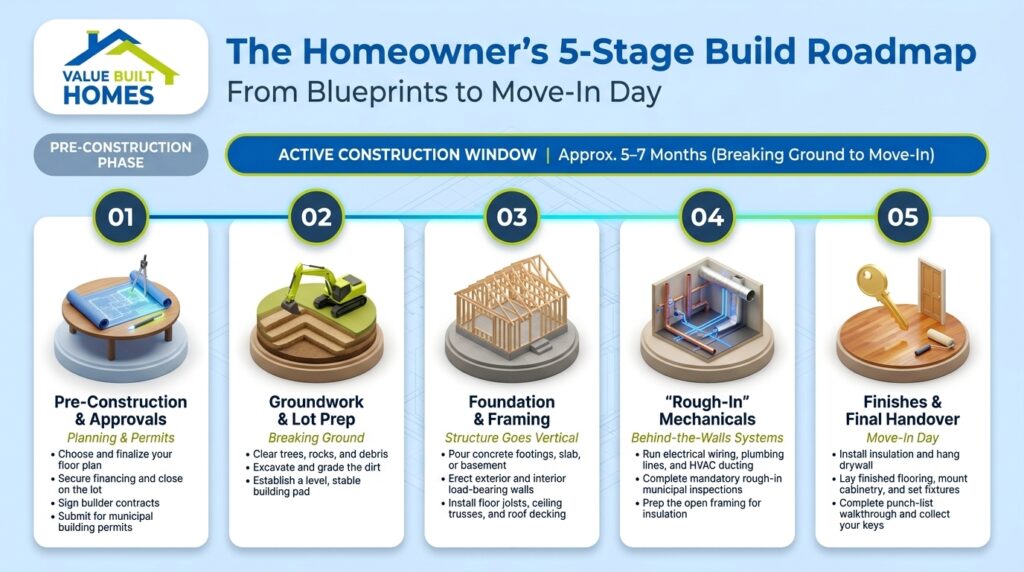
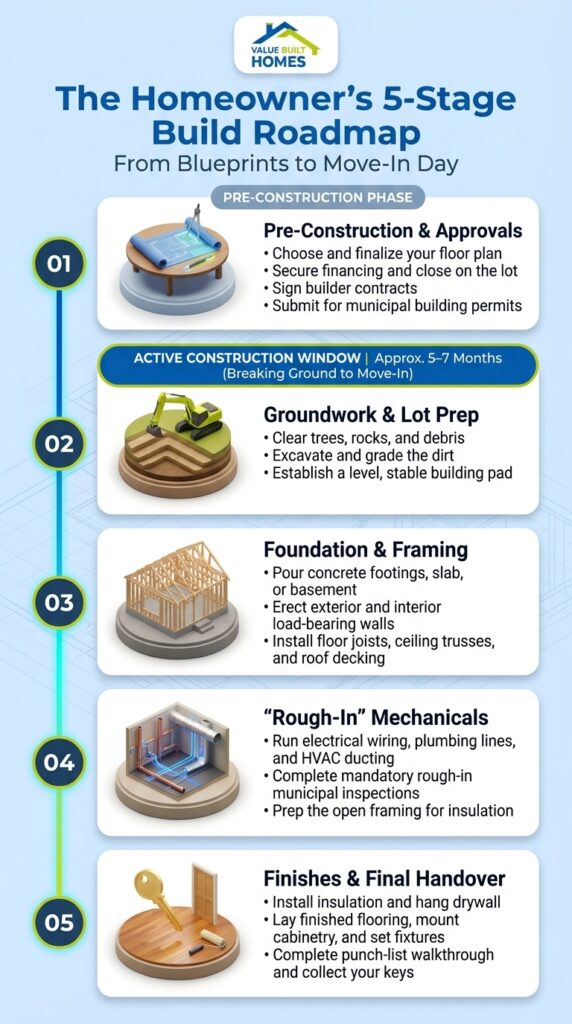
Here is the sequence, in order:
- Pre-construction: You choose a floor plan, line up financing, confirm your lot, and sign the contract. Permitting follows.
- Site preparation: The lot is cleared and graded so the crew has a stable, build-ready site.
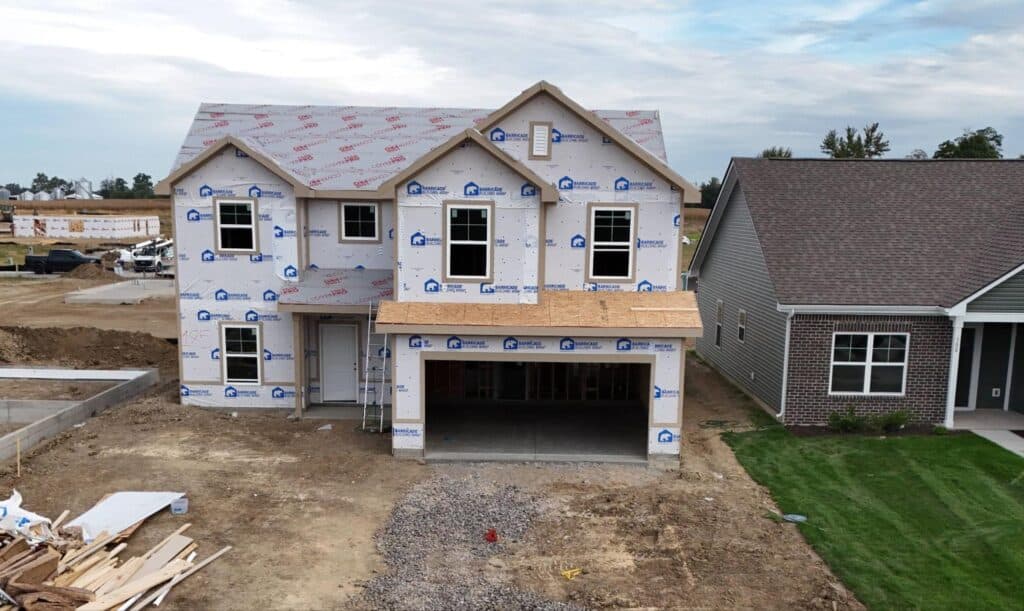
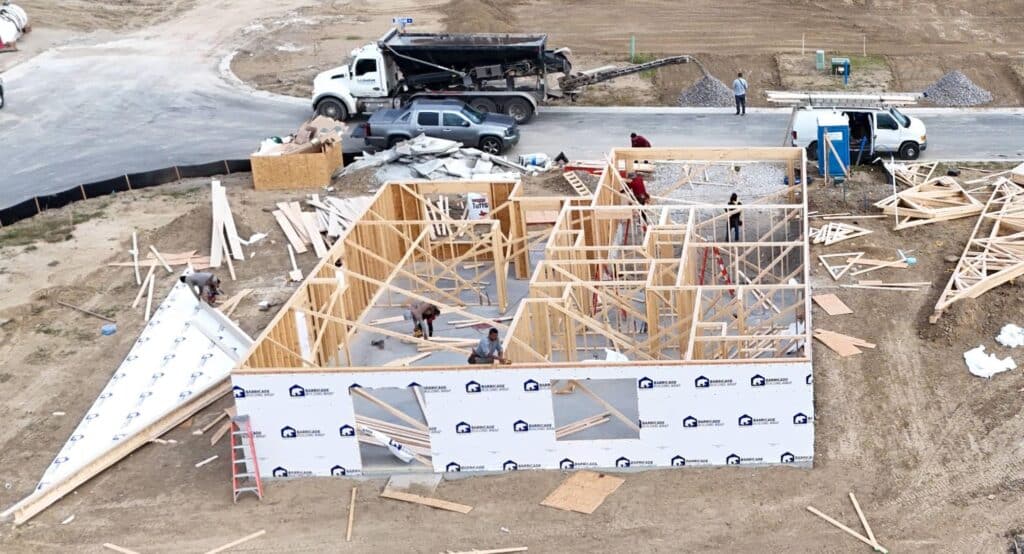
- Foundation and framing: The foundation goes in first, then the floors, walls, and roof take shape.
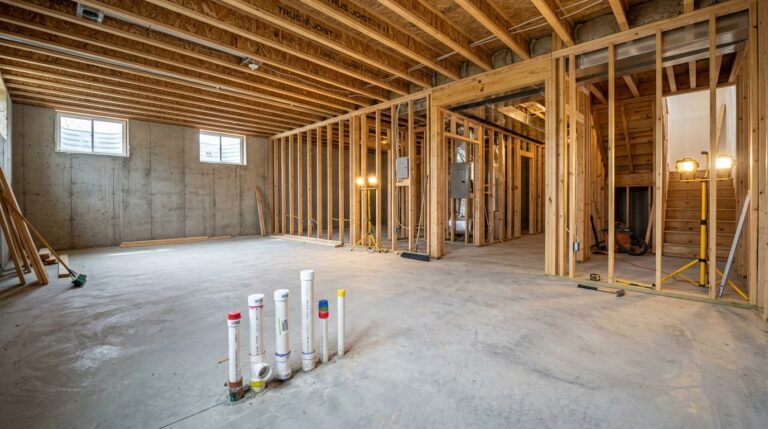
- Essential systems: Plumbing, electrical, and HVAC are roughed in and inspected before the walls are closed up.
- Finishes: Insulation, drywall, flooring, cabinets, and fixtures go in, followed by the final walkthrough.
Phase lengths shift with the floor plan, the site work, and the weather, so the totals above are better planning numbers than week counts. Framing and interior finishing usually take the longest, and this guide to what happens at each stage of home construction covers the detail.
What Speeds Up or Slows Down a Home Construction Timeline?
A home construction timeline shortens when decisions are made early, and it stays short when nothing changes after the start. A standardized plan, financing in place, and a ready lot all help. Weather, permit and inspection scheduling, lot conditions, and mid-build changes are what stretch a schedule.
What Helps a Build Stay on Schedule
Several of the biggest time-savers are settled before construction starts:
- Start from a standardized plan: Without a custom design phase, you move to financing and lot selection sooner.
- Do the prep work early: Settle financing, land, and paperwork first. This pre-construction checklist walks through them.
- Make your selections once: Finalizing finishes early avoids last-minute changes.
- Track progress in one place: The Buildertrend project portal lets you follow the schedule, see progress photos, and submit selections online.
What Commonly Causes Delays
Some delays are outside anyone’s control, and others are avoidable:
- Weather: Frozen ground and heavy rain affect excavation and concrete work, which is why the season you break ground in Indiana matters.
- Permits and inspections: Approval and inspection timing depends on the local office.
- Lot conditions: Soil, drainage, and grading problems add site work before the foundation can start.
- Changes after the start: Mid-build design changes create rework and waiting.
If a delay does happen, these tips for dealing with home construction delays can help.
How Build Time Affects What You Pay During Construction
Build time affects cost because you carry two things while the home goes up: a construction loan and your current housing. A construction loan is usually a short-term loan, with the money typically advanced in stages as construction progresses. The longer the build runs, the longer both costs run.
Here’s how the timeline shows up in your budget:
- Loan draws: Your lender releases funds as the build reaches milestones. See how construction draws work.
- Interest during the build: Interest accrues on the money drawn so far. Value Built Homes pays the interest on the construction loan during the build phase through its Free Construction Financing program, saving buyers thousands in upfront costs.
- Housing in the meantime: Every month of construction is a month of rent or a mortgage somewhere else. Compare options for where to live while building a house.

Frequently Asked Questions About How Long It Takes to Build a House
Does the build clock start at the permit or at groundbreaking?
It depends on the number being quoted. The widely cited 8.8-month average starts at the building permit, while the 7.4-month figure starts when excavation begins for the footings or foundation. When a builder quotes a timeline, ask which starting point it uses.
Can a house be built in three or four months?
That would be far faster than the averages. Homes built for sale, the quickest category NAHB tracks, averaged 7.4 months from permit to completion in 2025. Value Built Homes typically builds in approximately 5 to 7 months. Treat a much shorter promise as a reason to ask what the timeline includes.
Do you make loan payments while the house is being built?
Often, yes. Many construction loans require interest-only payments during construction, based on the amount drawn so far. With Value Built Homes’ Free Construction Financing, the builder pays that interest during the build phase.
Is there a faster option than building a new home?
Yes. Buying a home that’s already finished, or already under construction, shortens or removes the wait. Value Built Homes lists new homes for sale in its communities, and this comparison of buying a spec home versus building a house covers the trade-offs.
Plan Your Indiana Build Around Real Numbers
A realistic timeline makes every other decision easier, from your lease to your loan. If you’re ready to map out your forever home in Southwestern Indiana or the tri-state area, contact the Value Built Homes team to talk through your schedule. You can also browse Value Built Homes floor plans to see which layout fits your family.