Deciding on a brand new home in Southern Indiana usually comes down to two choices: buy one that’s already finished, or start a new one from a floor plan. That’s the heart of the spec home vs. building a house decision, and the right answer depends on how soon you need to move, how much you want to choose yourself, and what kind of certainty you want around cost and timeline. This guide breaks down both paths in plain terms, with real numbers and local context, so you can find the one that fits your family.
Key Takeaways
- A spec home is a new, move-in-ready home a builder finishes (or nearly finishes) before a buyer signs, so buying one is usually the fastest way into a brand new house.
- Building to a standardized floor plan is the middle path: you start from an existing plan and choose many of the finishes, without the cost and complexity of a fully custom design.
- Nationally, homes built for sale were the quickest single-family homes to finish in 2024, at 7.6 months from permit to completion, and a finished home skips the build, so you’re mainly waiting on closing.
- Building gives you more say over the lot and layout and locks in a known plan price up front, and Value Built Homes covers the construction-loan interest during the build through its Free Construction Financing program.
- The right choice comes down to four things: how soon you need to move, how much you want to customize, whether you already have a lot, and whether speed or price certainty matters more to you.
What Is a Spec Home, and What Does Building to a Plan Mean?
A spec home is a finished or nearly finished new home a builder puts up for sale, while building to a standardized plan means starting a new home from an existing floor plan and choosing your finishes as it goes up. Both give you a brand new house. The real difference is whether the home already exists or you start it.
What is a spec home?
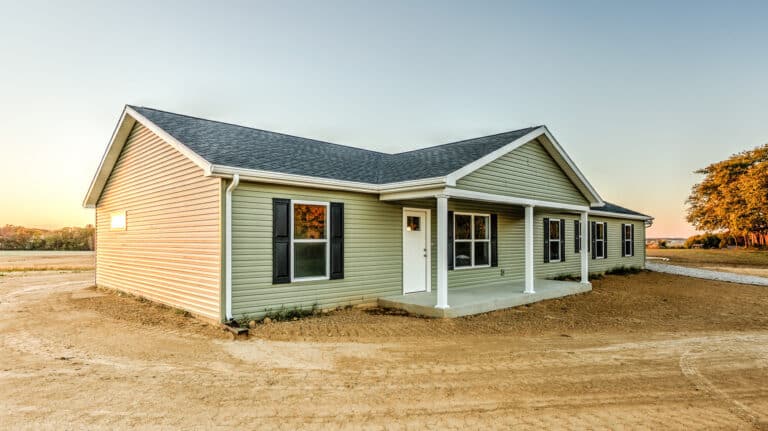
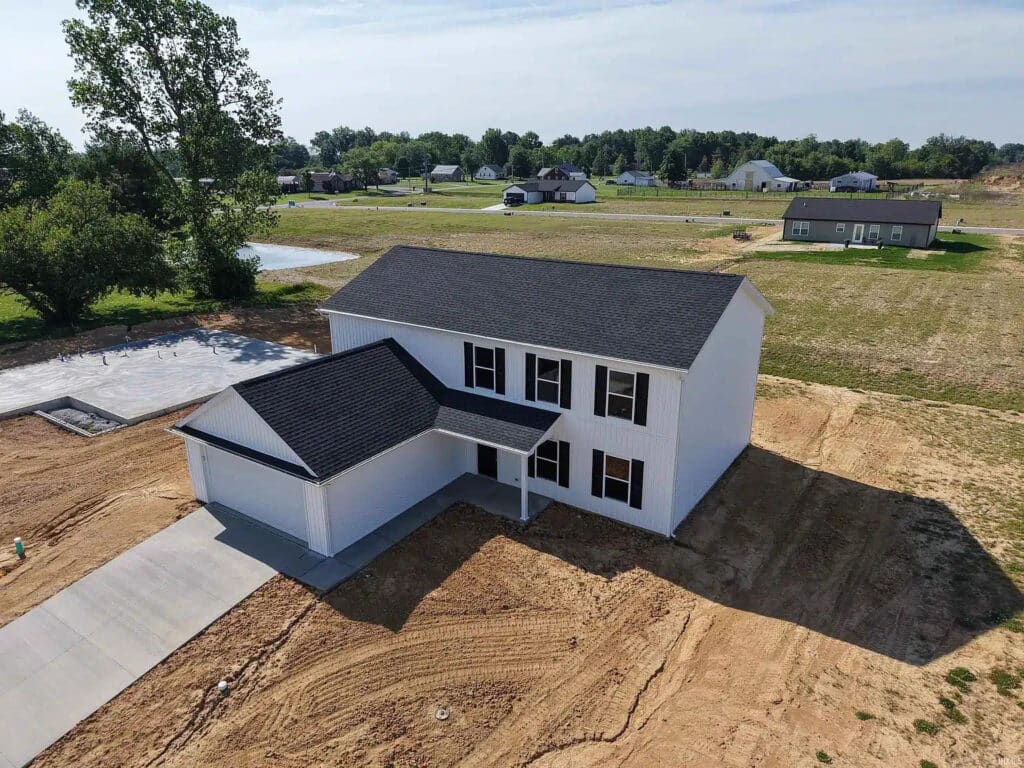
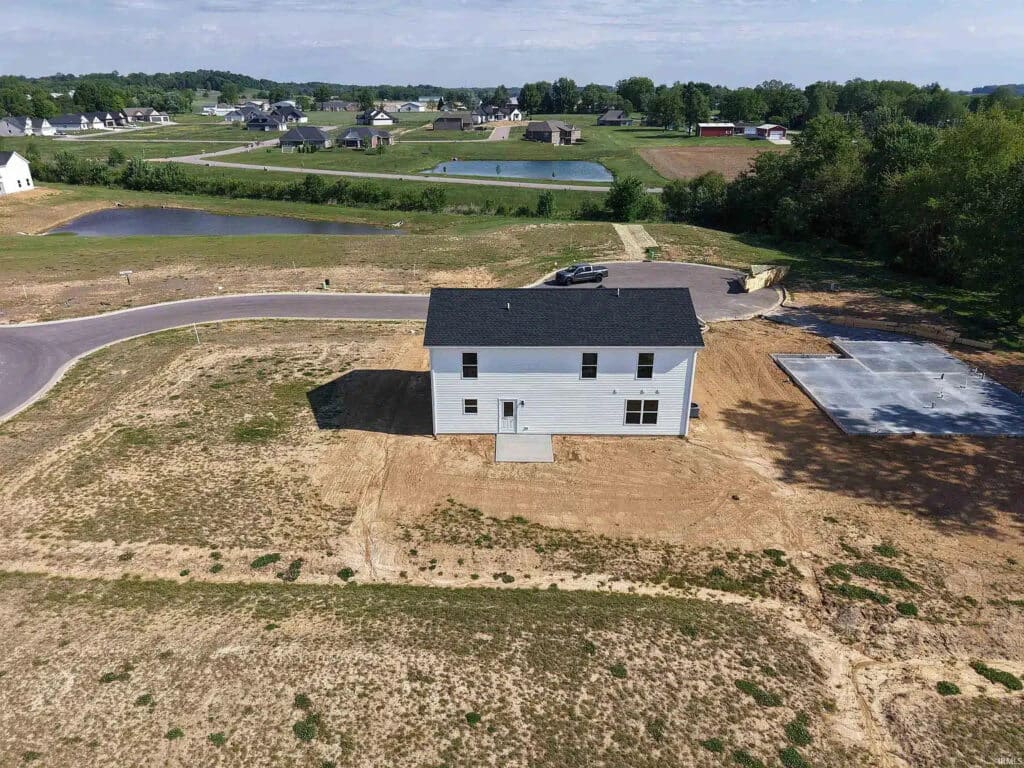
A spec home (short for speculative) is a new home a builder constructs to sell before a specific buyer is under contract. Because these homes are designed to be move-in ready, buying one is generally the quickest route into a new house. You can see what’s currently finished or nearly finished on the move-in-ready homes for sale page. They can be a strong fit for families who want a simpler, faster path, something we look at more closely in our guide to spec homes for families.
What does building to a standardized floor plan mean?
Building to a standardized plan means you choose one of a builder’s existing floor plans and personalize the finishes, instead of designing a home from a blank sheet. It sits right between buying a finished home and going fully custom. Full custom is actually the exception in new construction. Custom-built homes were only about 19% of single-family starts as of mid-2025.
Spec Home vs. Building a House, Side by Side
Here’s the short version: a finished spec home wins on speed and simplicity, while building to a standardized plan wins on lot choice, layout, and locking in a known price. Both deliver a brand new home built through Value Built Homes’ affordable new home construction process. The table below compares the two paths on the factors that matter most.
| Factor | Buying a finished (move-in-ready) home | Building to a standardized plan |
|---|---|---|
| What you get | A home already built or nearly built, sold as is or with a few late choices. | A new home started from an existing standardized floor plan, with finish choices along the way. |
| Move-in timeline | Fastest. A finished home just needs to close. | Longer. Value Built Homes estimates about 5 to 7 months to build. In the East North Central division, which includes Indiana, the 2024 average was 9.4 months from authorization to completion. |
| Price certainty | The listed price is set. | The plan price is known up front because the plan is standardized, which keeps costs predictable. |
| Customization | Limited. Most or all choices are already made. | Moderate. You pick the plan and a curated set of finishes, but not a fully custom design. |
| Lot and location | You take the lot the home sits on. | Build in a Value Built Homes subdivision or, where eligible, on your own land. |
| Financing | Standard purchase mortgage. | Usually a short-term construction loan, paid in stages and often at a higher rate, that may convert to a mortgage. Value Built Homes’ Free Construction Financing covers the construction-loan interest during the build. |
| Best for | A buyer who wants to move quickly with the fewest decisions. | A buyer who wants a specific plan, some choices, and predictable pricing, and who can wait through a build. |
Not sure which column is you? Start with these four questions:
- How soon do you need to move in? A tight timeline points to a finished home; a longer horizon leaves plenty of room to build.
- Do you already own land, or do you want a specific lot or subdivision? Owning land or wanting a particular plan points to building.
- How much do you want to choose versus have chosen for you? More choice points to building to a plan; fewer decisions points to a finished home.
- Is move-in speed or price certainty the bigger priority? Speed points to a finished home; a predictable plan price points to building.
Is It Cheaper to Buy a Spec Home or Build a House?
Neither path is automatically cheaper. A finished spec home saves you time and decisions, while building to a standardized plan gives you a known price up front and can save most buyers between 20% and 30% compared with building a new home elsewhere. What you actually pay depends on the plan, the lot, and any add-ons, so it’s worth getting a personalized quote before you compare.
A few things shape the cost of each path:
- Price certainty: A finished home has a set list price, and a standardized plan has a known price up front because the plan doesn’t change. Value Built Homes prices from standardized plans, so you’re not chasing a moving target.
- Financing type: Buying a finished home uses a standard purchase mortgage. Building typically uses a short-term construction loan that pays out in stages as work gets done and usually carries a higher interest rate than a purchase mortgage, and may convert to a regular mortgage.
- Construction-loan interest: That interest is where building can quietly get expensive, so Value Built Homes covers it during the build through Free Construction Financing, which saves buyers thousands up front.
How Long Does Each Option Take?
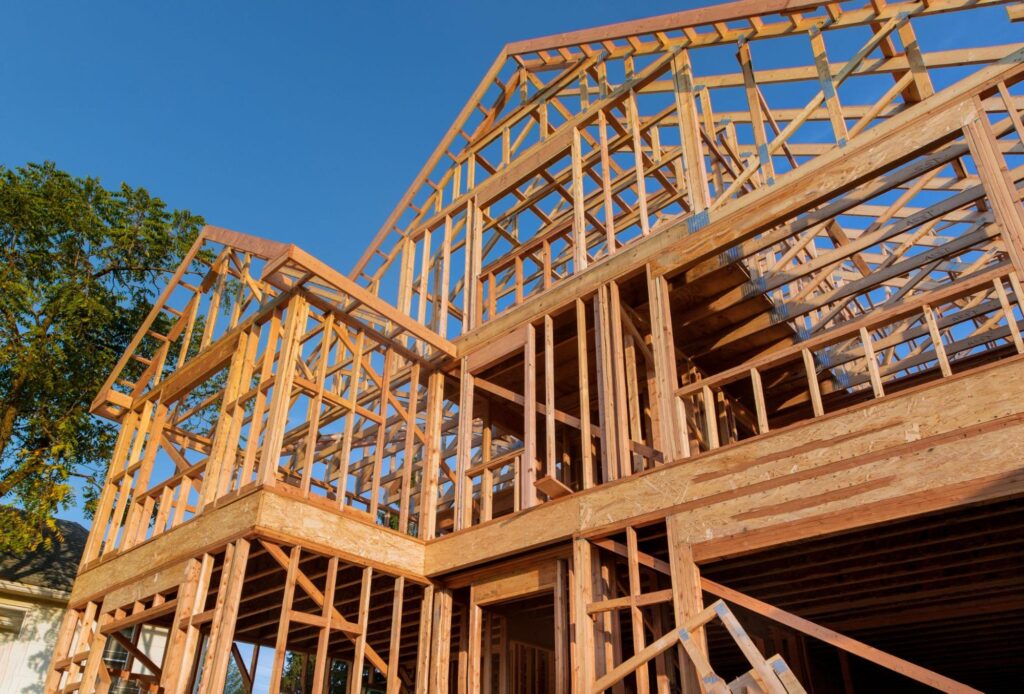
Buying a finished home is the fastest path. A move-in-ready home just needs to close, with no build to wait through. Building takes longer because the home has to be constructed, though a standardized plan moves faster than a fully custom design.
Here’s what the timelines look like, using 2024 national data from the U.S. Census Bureau’s Survey of Construction:
- Homes built for sale (spec homes) finished fastest in 2024, at 7.6 months from permit to completion.
- In the East North Central division, which includes Indiana, the average new home took 9.4 months from authorization to completion in 2024, just above the national average of about 9.1 months.
- Homes built by their owners took the longest at 15.1 months, and homes built by a hired contractor on the owner’s land took about 12 months.
For most Southern Indiana buyers, that means a spec home gets you in sooner, while building runs a few months longer. If you build, you’ll also want a plan for where to stay in the meantime; we compare the trade-offs in our guide to where to live while your home is being built. And if you want to know exactly what happens between signing and move-in, walk through the steps to building a house in Indiana.
How Much Can You Customize a Spec Home vs. a New Build?
A spec home comes with most or all of the choices already made, though some buyers still catch a few late finishes because many spec homes sell before they’re fully done. Building to a standardized plan gives you more room to personalize, since you pick the plan and many of the finishes, just not a fully custom design.
Here’s how the two compare on choices:
- A finished spec home: Most decisions are already made, which is part of the appeal if you’d rather not sweat the details. Timing still helps: among 2024 spec homes, about a third sold while still under construction, so buyers often catch some finishes before the home is done.
- Building to a standardized plan: You choose the plan and personalize finishes like cabinets, flooring, and fixtures, so the home reflects your taste without a fully custom price tag. See what you can customize in a new construction home with a standardized floor plan for the specifics.
What About the Lot and Location?
With a finished home, you take the lot it sits on, so location is part of the package. When you build, you have more control: you can build in one of Value Built Homes’ subdivisions across Southwestern Indiana or, where eligible, on land you already own.
Your lot options depend on the path:
- Buying finished: The home and its lot come together. If you love the neighborhood and the setting, that’s a fast, simple win.
- Building: You can choose a lot in a Value Built Homes subdivision or build on your own land where it’s eligible. Browse the current lots for sale to see what’s open in Southwestern Indiana.
Frequently Asked Questions About Spec Homes and Building a House
Are spec homes cheaper than building?
Not always. A finished spec home can cost less in time and decisions, while building to a standardized plan gives you a known price and can save most buyers between 20% and 30% compared with building elsewhere. Neither is automatically cheaper, since the total depends on the plan, the lot, and any add-ons.
Is a spec home the same as a modular or prefab home?
No. A spec home just means the home was built for sale before a buyer signed, and it can be constructed any way, including fully on-site. Value Built Homes builds site-built (stick-built) homes constructed 100% on-site, not modular or prefabricated homes.
Can you negotiate the price of a spec home?
It depends on the builder. Value Built Homes prices from standardized plans. The most useful step is to confirm exactly what’s included in a specific home before you compare prices.
Do spec homes hold their value?
A spec home is a brand new home, so it starts with the same strengths as any new build: modern materials, current building codes, and low maintenance in the early years. Long-term value depends on location, upkeep, and the market, not on whether a home was built on spec.
Finding the Right Path for Your Family
There’s no single right answer in the spec home vs. building a house question. If speed and simplicity matter most, a finished home may be your fit. If you want a specific plan, a particular lot, and a predictable price for your forever home, building could be the better move. Either way, you don’t have to sort it out alone. Contact the Value Built Homes team to talk through which path fits your family, your lot, and your timeline.