When buying a new home, there’s more to consider than just location and style. Energy efficiency plays a growing role in long-term costs, comfort, and property value — and HERS scores give you an objective way to measure it. Think of a HERS score like a fuel efficiency rating for your home: the better the rating, the less energy (and money) it takes to keep things running. This guide will explain what HERS scores are, how they’re determined, and how to use them when evaluating a home.
What Is a HERS Score?
A Home Energy Rating System (HERS) score is essentially a report card for a home’s energy efficiency. Developed by RESNET, the Home Energy Rating System compares a home’s energy performance against a baseline of 100—the score of a standard new home built to current codes. Lower scores indicate better efficiency. For example, a home scoring 70 is 30% more efficient than the baseline, while a score of 130 suggests it uses significantly more energy. This single, easy-to-understand number lets you quickly compare homes for energy efficiency.
The HERS Index Scale: Understanding the Numbers
The HERS Index Scale is a straightforward metric:
- 70 to 100: Comparable to or better than a standard new home, with improvements in insulation, windows, and HVAC systems.
- Below 70: Indicates significant energy savings, reflecting advanced features like high-performance insulation and better air sealing.
- Above 100: Often seen in older homes or builds without energy-efficient upgrades.
- Net-Zero (0 or below): Signifies that the home produces as much energy as it consumes, typically through renewable energy integration.
Remember, while the score is a useful benchmark, it primarily measures energy efficiency and does not account for other factors such as water conservation or indoor air quality.
How a HERS Score Is Created
A HERS score is determined through a rigorous process carried out by certified professionals. The key steps include:
Certified HERS Raters
These professionals follow standardized procedures to evaluate a home’s energy performance. Their independent assessments ensure that the reported score is both accurate and objective.
The Evaluation Process
- Visual Inspection: The rater examines insulation, windows, and seals to ensure proper installation.
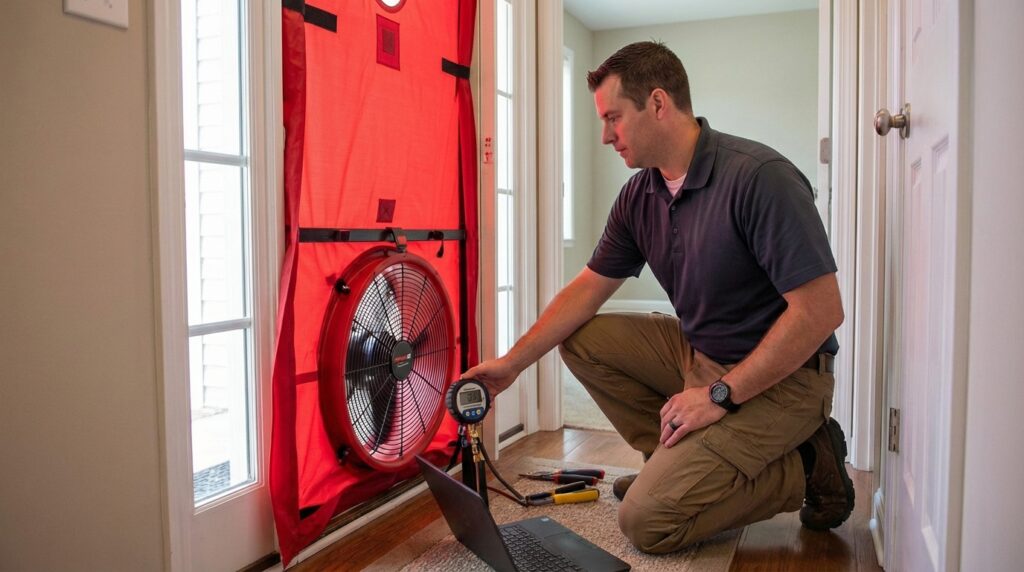
- Blower Door Test: This test measures how airtight the home is by using a temporary fan to assess air leaks.
- Duct Leakage Test: Inspects the ductwork to confirm efficient delivery of heated or cooled air.
- Energy Modeling: Data from inspections and tests are input into software that estimates the home’s energy use relative to a reference home.
- Final Confirmation: After construction, a final inspection and test yield a confirmed HERS score that reflects real-world performance.
Factors That Influence Your HERS Score
Several elements combine to determine a home’s HERS score. Key factors include:
Building Envelope
Insulation, windows, doors, and air barriers work together to keep conditioned air in and unwanted air out. Gaps or poor insulation can lead to energy loss and higher HERS scores.
HVAC and Water Heating Systems
Efficient systems reduce energy consumption. High SEER-rated HVAC units are particularly beneficial. Properly sealed ductwork and insulated pipes also contribute significantly to a lower score.
Home Orientation and Design
The layout and orientation of a home affect natural heating and cooling. Proper window placement and an open floor plan that promotes airflow are critical components. For recommendations on optimizing orientation, check out Department of Energy advice on building orientation.
Energy-Efficient Windows and Lighting
High-performance windows with advanced coatings and efficient lighting options, like LED bulbs, help regulate indoor temperatures and reduce energy usage.
Renewable Energy Integration
Designing a home for future renewable energy use, such as solar panels, can dramatically lower a home’s energy demands and improve its HERS score.
“Energy-Efficient Features” vs. “Verified Performance”
Builders often highlight energy-saving features such as energy-efficient windows or appliances. However, these features alone do not guarantee optimal performance unless verified through a comprehensive evaluation. A certified HERS rater tests and inspects the entire home to ensure that every element contributes to overall efficiency. This verified performance cuts through marketing hype and confirms that efficiency is achieved uniformly across the home.
Third-party verification—such as earning ENERGY STAR certification—also serves as an extra layer of assurance that a home meets recognized energy-saving standards.
HERS vs. ENERGY STAR vs. LEED: Which One Fits Your Needs?
While HERS provides a numeric index of energy efficiency, ENERGY STAR certification verifies that a home meets strict energy-saving standards, and LEED certification takes a broader view of sustainability. Each serves a different purpose:
- HERS: Best for comparing energy efficiency on a measurable scale.
- ENERGY STAR: Offers assurance that a home meets recognized efficiency benchmarks.
- LEED: Focuses on overall environmental impact, including water conservation and material sustainability.
Your choice depends on whether your primary focus is energy performance, standardized efficiency practices, or comprehensive sustainability.
How to Use HERS Scores to Compare New Homes
A HERS score gives you a clear, apples-to-apples way to evaluate homes — but only if you know what to look for and which questions to ask.
- Compare in Context: Not all HERS scores are created equal. Compare homes of similar size and in similar climates. A larger home might carry a higher score but still be well-built and efficient for its footprint. The number means the most when you’re comparing like to like.
- Verify Confirmed Scores: Make sure the score you’re looking at is a confirmed post-construction rating — not a projected score based on plans and materials. A confirmed score reflects how the home actually performs after it’s built, tested, and inspected.
- Request Detailed Documentation: Ask for the full report, including results from the blower door test, duct leakage test, and insulation inspection. These documents show exactly where the home’s efficiency stands and give you confidence that the builder’s claims hold up under scrutiny.
- Watch for Red Flags: Be cautious if a builder uses vague language around efficiency, can’t produce third-party verification, or provides incomplete documentation. These are signs that the advertised performance may lean more toward marketing than actual results.
Key Questions to Ask Your Builder
Before committing, make sure you get clear answers to these:
- What is the targeted HERS score for this home?
- Will a certified third-party rater verify the score?
- Which tests and inspections are included — blower door, duct leakage, insulation?
- When will the confirmed HERS score be provided?
- What happens if the home doesn’t meet the targeted score?
- Can you provide full documentation of the testing and results?
Getting these answers in writing gives you a layer of protection and ensures the builder is accountable for delivering the efficiency they promised.
What a Low HERS Score Means for You (And How to Get There)
A low HERS score isn’t just a number — it translates directly into everyday benefits that affect your comfort, your wallet, and your home’s long-term value.
- Comfort You Can Feel: Energy-efficient homes maintain consistent indoor temperatures and reduce drafts. Superior insulation and airtight construction create a more comfortable living environment year-round, regardless of weather extremes. For homebuyers in climates like Indiana’s, where summers are humid and winters are harsh, this consistency makes a noticeable difference.
- Lower Energy Costs: Homes with low HERS scores reduce monthly utility bills and ease the workload on HVAC systems and other mechanical components. That lighter load also means lower maintenance costs and longer-lasting equipment — savings that compound over the life of the home.
- Stronger Resale Value: As energy efficiency becomes a bigger priority for buyers, properties with verified low HERS scores carry a competitive edge. They tend to command higher resale prices, making them a smarter long-term investment.
Practical Steps to Achieve a Lower Score
Getting to a low HERS score starts with intentional design decisions and quality construction practices:
- Optimize your layout. Work with a builder to maximize natural light and airflow while minimizing energy loss. Proper window placement and home orientation play a bigger role than most buyers realize.
- Enhance insulation. Use quality insulation materials throughout walls, attics, and crawl spaces — and ensure proper installation. Even the best materials underperform when installed with gaps or compression.
- Seal air leaks. Gaps around doors, windows, and penetration points are some of the biggest efficiency killers. Weatherstripping, caulk, and attention to detail during construction go a long way.
- Upgrade systems. High-efficiency HVAC and water heating systems with strong SEER ratings (Seasonal Energy Efficiency Ratio — a measure of cooling efficiency) reduce energy consumption significantly.
- Install efficient windows. High-performance windows with low-E coatings and insulated frames minimize heat transfer and help regulate indoor temperatures.
- Plan for solar. Even if solar panels aren’t in the immediate budget, designing roofs and electrical systems for future installation keeps the door open to reach net-zero performance down the road.
- Conduct professional assessments. Regular energy audits by a certified HERS rater can identify weak points and prioritize the improvements that will have the greatest impact on your score.
When evaluating builders, ask about their experience with energy-efficient construction and request examples of past projects with confirmed low HERS scores. Transparency in documentation and testing is one of the clearest signs of a builder, like Value Built Homes, who takes efficiency seriously.
Frequently Asked Questions About HERS Scores
What is a good HERS score?
A HERS score of 70 or below is considered very good, meaning the home is at least 30% more efficient than a standard new home. Scores between 70 and 100 are comparable to or better than code-built homes. The lower the number, the better the efficiency.
What does a HERS score of 100 mean?
A score of 100 represents the baseline — a standard new home built to the 2006 International Energy Conservation Code (IECC). It doesn’t mean the home is particularly efficient by today’s standards; it simply meets the minimum code requirements.
How much does a HERS rating cost?
A HERS rating typically costs between $300 and $800 depending on the size of the home, location, and the scope of testing involved. For new construction, the cost is often built into the builder’s process.
What is the difference between a HERS score and an ENERGY STAR rating?
A HERS score is a numeric index that measures energy efficiency on a scale. ENERGY STAR is a certification — a home must meet specific efficiency thresholds (typically a HERS score of 65 or lower, depending on climate zone) and pass additional requirements to earn the label. A home can have a HERS score without being ENERGY STAR certified, but every ENERGY STAR certified home has a HERS score.
Can an existing home get a HERS rating?
Yes. While HERS ratings are most common in new construction, a certified HERS rater can evaluate an existing home. This is useful for identifying efficiency upgrades and establishing a baseline before renovations.
What is a net-zero HERS score?
A HERS score of zero means the home produces as much energy as it consumes over the course of a year, typically through renewable energy sources like solar panels. Scores below zero indicate the home produces more energy than it uses.
Who performs a HERS rating?
HERS ratings are performed by certified raters trained and accredited through RESNET (Residential Energy Services Network). These raters follow standardized testing procedures to ensure consistent and objective results.
Does a lower HERS score increase home value?
Research suggests that energy-efficient homes with verified low HERS scores tend to sell at a premium compared to similar homes without ratings. Buyers increasingly prioritize efficiency, making a low score a competitive advantage at resale.
Take the Next Step Toward a Smarter Home
A HERS score gives you the clarity to look beyond marketing claims and evaluate a home’s true energy performance. Armed with the right questions and a clear understanding of what the numbers mean, you’re in a stronger position to choose a home that delivers long-term savings, comfort, and value. Contact Value Built Homes today to start building with energy efficiency at the core.