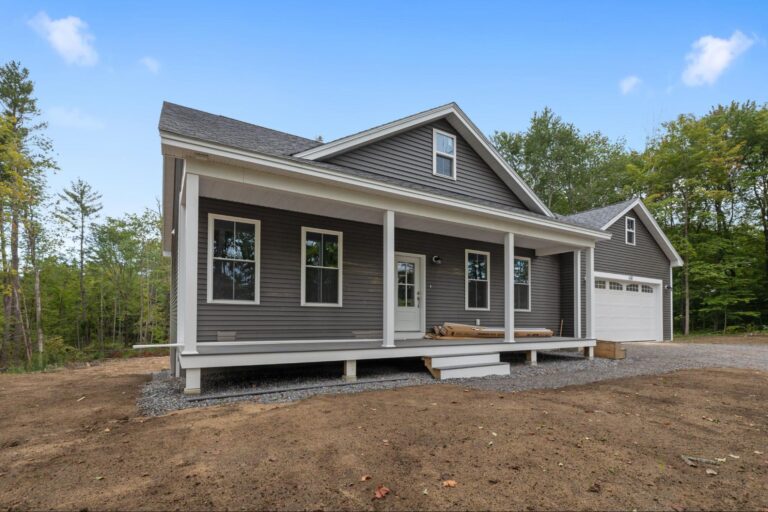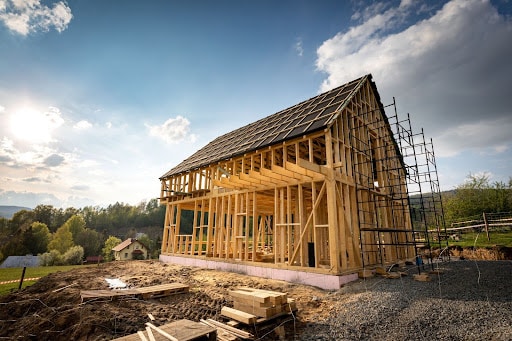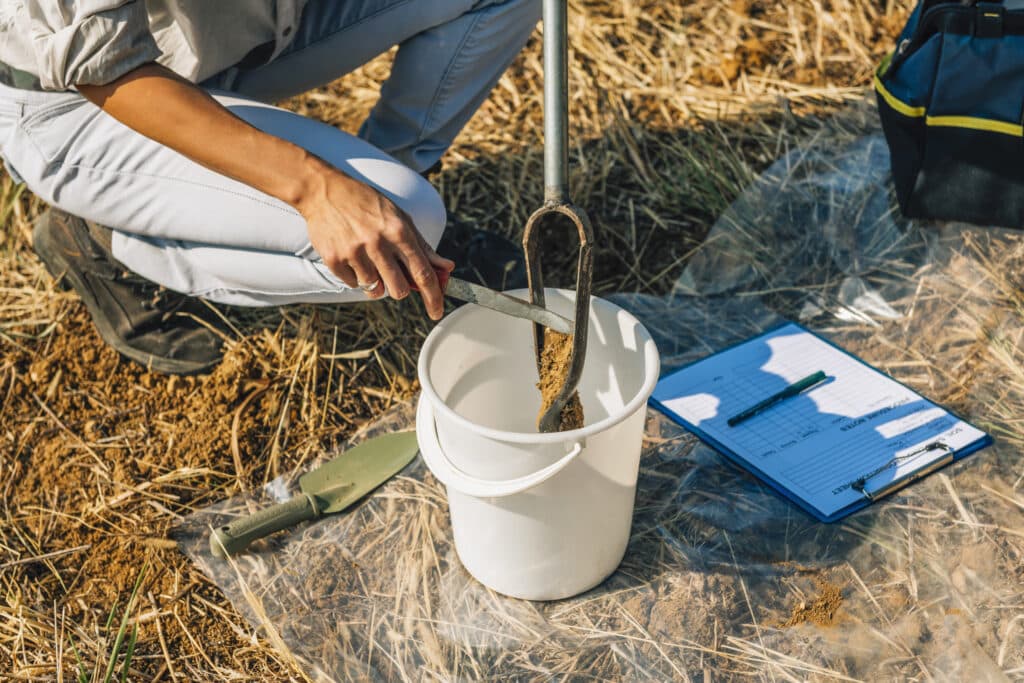
Embarking on the journey of building a new home is both exciting and monumental. However, one of the most critical steps in the process is ensuring the ground beneath your home is stable and reliable. Soil testing plays a pivotal role in determining whether the underlying soil can support your home’s foundation, safeguarding against potential issues that might surface years later. Particularly in Indiana, where sandy loams and moisture-retentive clays coexist under varied weather conditions, understanding soil characteristics is essential to building a safe and long-lasting home.
While many prospective homeowners focus heavily on selecting floor plans, finishes, and other aesthetic features, these considerations pale in comparison to the importance of a solid foundation. Working with an experienced home builder who prioritizes thorough soil testing can help prevent costly repairs, structural instability, and undue stress. This guide outlines the essentials of soil testing for new home construction, emphasizing its role in protecting foundation health and streamlining the building process.
Why Soil Testing is a Non-Negotiable First Step
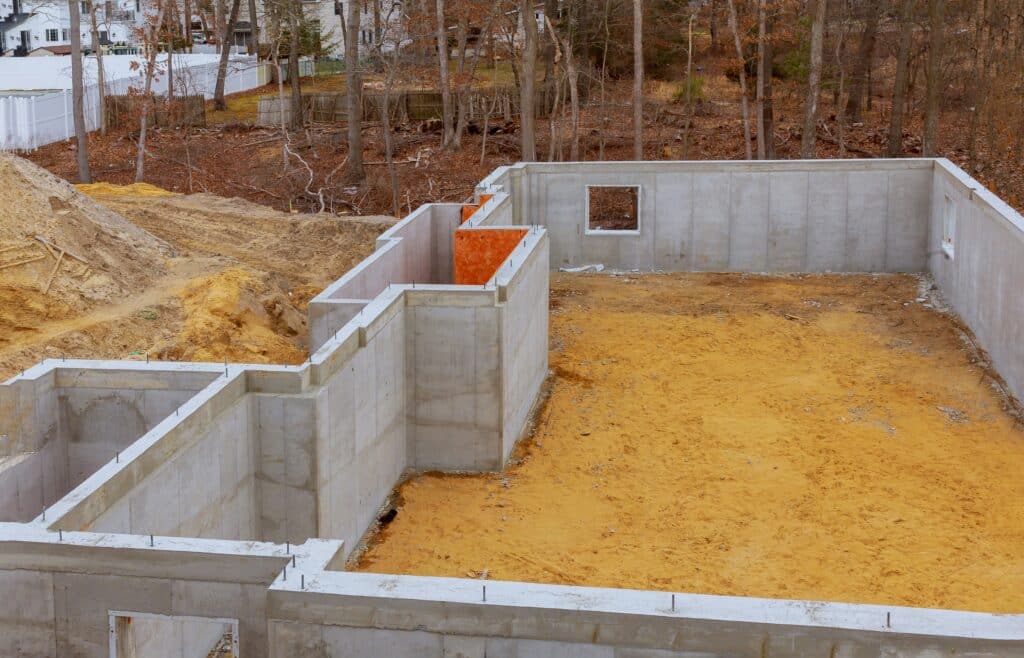
Before the first wall is framed or a floor plan is finalized, the most critical work begins under your feet. Soil testing is an essential investigation into the ground’s ability to support your home, allowing you to identify and address potential risks before they escalate into costly structural failures like wall cracks, uneven floors, or foundation damage.
This is especially true in Indiana, where diverse soil characteristics—from sandy loams to expansive, moisture-retentive clays—react differently to our state’s weather. Wet springs can cause soil to swell, while hot, dry summers can cause it to contract and settle. Without understanding these unique conditions, you risk compromising your home’s safety and long-term value.
Investing in professional soil testing isn’t just a preliminary check; it’s a strategic decision that delivers crucial benefits for a smoother, more secure home-building journey.
Save Money and Avoid Future Headaches
Identifying soil issues before construction allows for timely and cost-effective interventions. Whether the solution is simple soil stabilization or an enhanced drainage plan, addressing it upfront is exponentially cheaper than repairing a damaged foundation years down the road. This proactive approach prevents future headaches and protects your financial investment.
Build a Safer, More Durable Home
A home is only as strong as its foundation. Building on properly tested and prepared ground reinforces your home’s structural integrity, safeguarding it against the environmental stressors unique to Indiana. A reliable foundation is the key to a durable, long-lasting home that keeps your family safe for decades to come.
Streamline Construction and Minimize Delays
Clear insights into the soil’s composition, load-bearing capacity, and moisture levels eliminate guesswork for architects, engineers, and builders. This data allows them to design the most effective foundation solution from the start, preventing last-minute complications, reducing the risk of construction delays, and laying the groundwork for a more efficient build.
Gain Peace of Mind Through Long-Term Planning
Knowledge of your soil’s characteristics helps you anticipate future maintenance needs and mitigate unforeseen challenges over your home’s lifespan. This foresight provides invaluable peace of mind, knowing that your home is built on a stable, well-understood foundation prepared to stand the test of time.
Common Soil Testing Methods
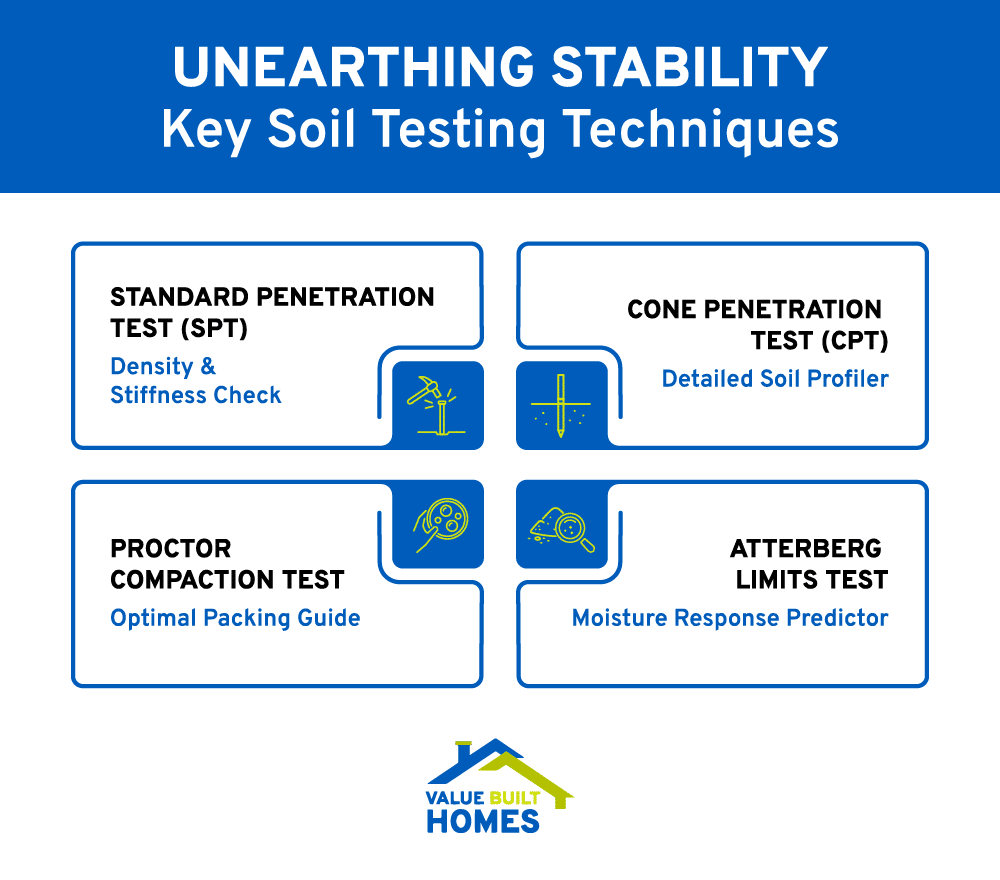
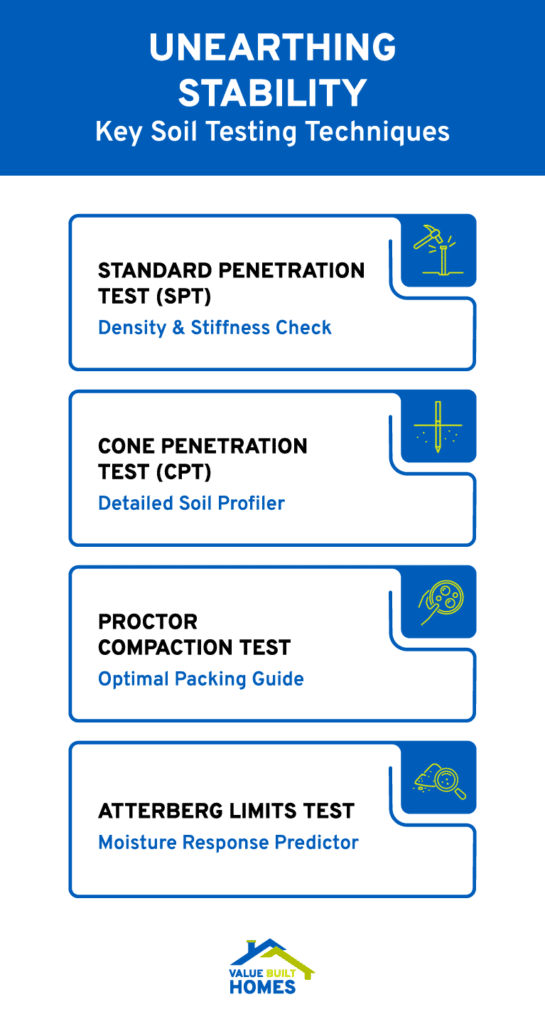
Soil testing encompasses several methods that address different aspects of foundation readiness. Understanding these techniques can offer peace of mind for homebuyers who want to know how experts arrive at recommendations:
- Standard Penetration Test (SPT): This field test measures the density and relative stiffness of soil by driving a split spoon sampler into the ground. It provides valuable information about soil stratification, which helps assess potential load-bearing issues.
- Cone Penetration Test (CPT): In this method, a cone-shaped penetrometer is pushed into the soil at a constant rate. It measures resistance and friction, offering a detailed profile of soil layers. CPT data are especially useful for detecting softer layers or variations in soil that might pose foundation risks.
- Proctor Compaction Test: Carried out in a lab, this test helps determine the optimal moisture content at which soil achieves maximum density. Results guide on-site compaction procedures, ensuring the soil beneath your future home is solid and uniform.
- Atterberg Limits Test: By measuring the liquid limit, plastic limit, and shrinkage limit of soil, this test determines how prone the soil is to changes in moisture. Results indicate whether the soil’s plasticity might lead to cracks or instability when exposed to varying weather conditions.
Each of these methods has a unique focus, yet they all help builders and engineers develop a reliable, site-specific plan. By combining test results—from density measurements to moisture assessments—construction teams can identify the most effective solutions, whether that involves additional compaction, chemical amendments, or specialized foundation systems.
Armed with information from these common soil testing methods, Indiana homeowners can feel more confident that their properties will be well-prepared for any weather swings. The right testing and analysis ensure that the foundation not only meets building codes but also remains stable over time.
Understanding Your Soil Test Results
A soil test examines far more than just the soil’s basic classification. It provides detailed insights into critical characteristics that directly influence the stability and longevity of your future home’s foundation. Factors such as soil composition, pH levels, moisture content, and organic matter are analyzed to guide the construction process.
Soil Composition and Load-Bearing Strength
One of the primary assessments in soil testing is its composition, particularly the percentages of sand, silt, and clay. This composition determines how the soil behaves under pressure and its ability to support a home’s weight. Clay-rich soils can expand when wet and contract when dry, often leading to instability. In contrast, sandy soils may require additional stabilization to bear heavy loads. Assessing the soil’s load-bearing capacity clarifies its suitability for construction. If the soil falls short of requirements, builders might implement solutions such as deeper footings, pier systems, or reinforced foundation designs.
pH Levels: The Foundation’s Hidden Influencer
Soil pH, a measure of acidity or alkalinity, can influence how materials like concrete or metal reinforcements interact with the ground. Highly acidic or alkaline soils may contribute to material corrosion, potentially compromising the foundation’s durability over time. Adjusting soil chemistry with appropriate amendments helps correct imbalances, ensuring the longevity of the structure.
Moisture Content and the Risk of Unstable Foundations
Moisture plays a significant role in soil stability. High-moisture content, especially in clay-rich soils, can lead to expansion when wet and contraction when dry. Such fluctuations can stress the foundation, resulting in cracks and uneven settling. Testing for moisture content allows builders to implement proactive measures, like drainage improvements or the application of soil stabilizers, to manage these variations effectively.
Cation Exchange Capacity and Soil Reactivity
The cation exchange capacity (CEC) indicates the soil’s ability to retain and exchange positively charged ions. A higher CEC, typically found in clay-rich soils, signals a greater potential for shrink-swell activity. Understanding this property helps builders identify soils that may need extra measures to keep the foundation stable.
Organic Matter and Settlement Risks
Although organic matter is beneficial for vegetation, it can present challenges beneath a home’s foundation. Decomposing organic material may lead to voids or pockets, contributing to uneven settling over time. A detailed soil test quantifies organic content so that any risks can be mitigated, often by removing or stabilizing soils with excessive organic material.
By evaluating these components, soil testing offers a comprehensive picture of the site’s condition, empowering builders to address potential challenges and design foundations that enhance overall structural integrity.
Red Flags to Watch For in Your Soil Test Report
Soil testing reveals potential issues that could undermine your home’s stability if left unaddressed. Certain findings may signal problems that require prompt attention.
Expansive Clay and High Shrink-Swell Potential
A common red flag is the presence of expansive clay. This soil undergoes significant volume changes when it absorbs or loses moisture, leading to high shrink-swell potential that can stress the foundation. Over time, this may result in visible cracks, uneven floors, or misaligned doors and windows—all of which usually require costly repairs.
Poor Drainage and Unstable Soil Composition
Soils that retain too much water or exhibit poor drainage are a major concern. Waterlogged ground may weaken the load-bearing capacity, causing foundation sinking or shifting. In areas with high silt or clay content, excess water can pool beneath the home, heightening erosion and structural damage. The presence of unstable soil composition can also pose risks if fill is loose or improperly compacted, potentially contributing to uneven foundation settlement.
Combined Risk Indicators and the Importance of Early Detection
While a single red flag might not guarantee issues, a combination of factors—like minor pH imbalances, poor drainage, and high clay content—can collectively raise the risk to foundation stability. Recognizing these issues early allows builders to implement targeted solutions before starting construction.
How to Address Problematic Soil Conditions
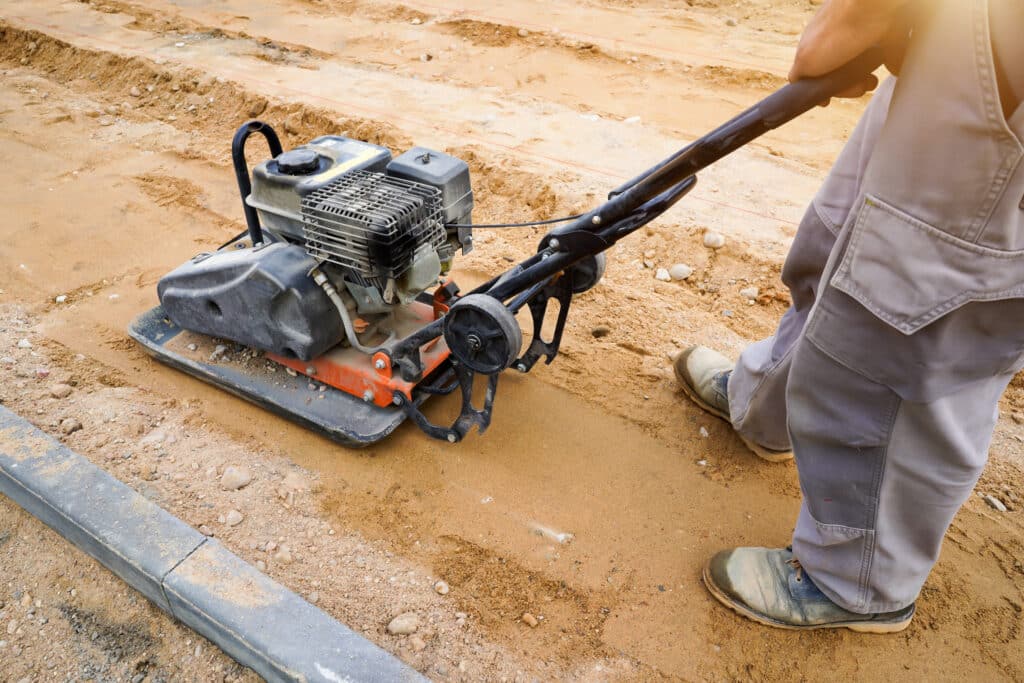
Uncovering issues during soil testing need not derail your home-building plans. An array of effective techniques can resolve most soil challenges, ensuring that your home is built on dependable ground.
Improving Soil Chemistry Through Amendments
Adjusting soil chemistry is often the first step in preparing the building site. For instance, acidic soils may be treated with lime to raise pH, while gypsum can reduce issues caused by high sodium or clay content. These measures, along with other amendments, help maintain soil balance and protect the home’s structural materials.
Compaction, Grading, and Drainage Enhancements
Proper site preparation involves both compaction and grading. Compaction densifies loose or fill soils by eliminating air pockets, creating a stable base for construction. Meanwhile, thoughtful grading channels water away from the structure to reduce the risk of erosion and foundation shifting. When water retention remains a concern, improving drainage is vital, such as installing French drains to redirect excess water away from the home.
Consulting Specialists for Severe Conditions
If soil challenges are particularly severe, consulting a geotechnical specialist can be invaluable. Such experts can conduct an in-depth analysis of soil properties and recommend advanced stabilization techniques or specialized foundation systems tailored to your property’s needs.
Commitment to Strong Foundations Through Informed Planning
Numerous professional builders incorporate comprehensive soil testing into their construction processes. Value Built Homes includes foundational guidance as part of every build to ensure new site built homes rest on stable ground, all while offering quick construction and a stress-free home building experience. From analyzing expansive clay to optimizing drainage, we prioritize delivering Affordable Homes that meet expectations for quality and durability.
Practical Tips for Homebuyers in Indiana
When discussing your new home with a builder, use this checklist to ensure your foundation is secure:
- Ask for the Soil Report: Request a copy of the geotechnical survey for your lot.
- Question the Foundation Design: How has the foundation design been adapted based on the soil test results?
- Inquire About Water Management: What is the grading and drainage plan to keep water away from the foundation?
- Discuss Soil Amendments: Did the soil require any treatment like lime or gypsum, and has it been completed?
Paying close attention to these factors ensures that your home’s foundation is well-prepared to withstand both current conditions and future challenges.
Establishing a Firm Foundation: Build with Confidence on a Solid Foundation
Building a home goes far beyond selecting the perfect floor plan or aesthetic details—it begins with establishing a solid, reliable foundation. By making soil testing a priority, you are not just mitigating risks; you are investing in the long-term safety, durability, and value of your home.
If you’re ready to build your dream home with the confidence that comes from a strong foundation, contact Value Built Homes today to learn more about our personalized construction approach.