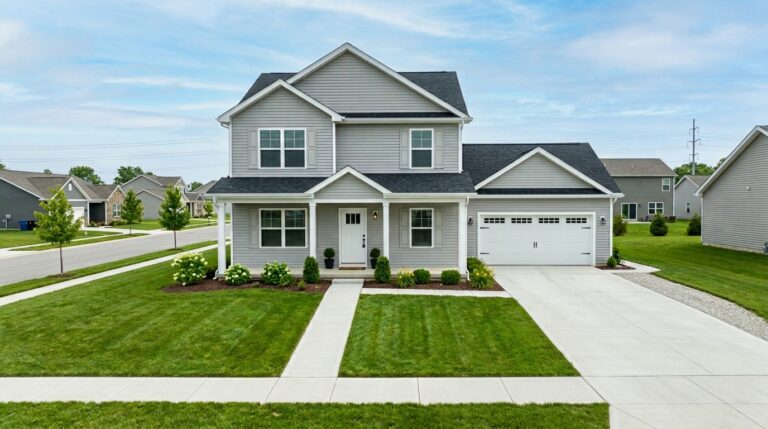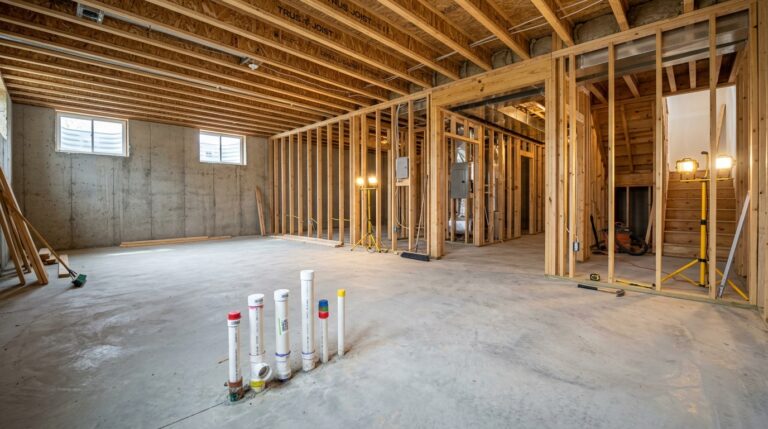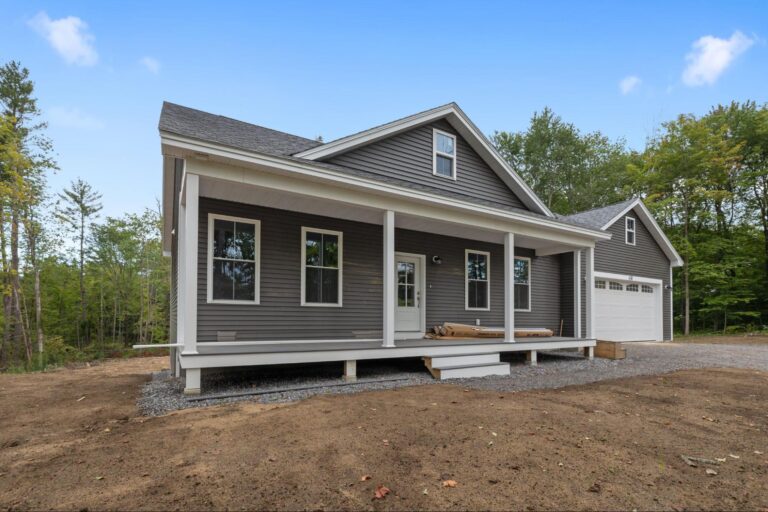
More Southern Indiana families are asking the same question: what does it actually take to fit three generations under one roof without breaking the budget or building from scratch? A well-designed multigenerational home gives grandparents, parents, and adult children the room they need without forcing anyone into a corner. The good news is that you don’t need a fully custom dual-living layout to make it work.
Key Takeaways
- Multigenerational living is no longer a fringe choice. The share of the U.S. population in multigenerational households more than doubled between 1971 and 2021, climbing from 7% to 18%.
- The right floor plan matters more than custom add-ons. Larger 4 and 5 bedroom plans typically give multigenerational households the bedrooms, bathrooms, and gathering space they need without a separate in-law suite.
- Single-story plans are often the better fit when an aging parent is moving in. Stairs are one of the most common accessibility dealbreakers.
- Universal design features like wider doorways, zero-step entries, and curbless showers benefit every generation, not just older adults.
- Privacy zones, smart bathroom placement, and at least one flex room prevent the “always on top of each other” feeling families worry about.
What Counts as a Multigenerational Home?
A multigenerational home is any house where two or more adult generations of the same family live together long-term. Most often that means grandparents, parents, and children sharing one address, but it also covers adult children returning home, an aging parent moving in, or extended family combining households for caregiving or financial reasons.
The arrangements that fall under this umbrella vary widely. Common configurations in Southern Indiana include:
- Three-generation households: Grandparents, parents, and minor children sharing a single home.
- Boomerang households: Adult children returning home, often after college or a major life change.
- Aging parent in-residence: A senior parent moving in with adult children, frequently when caregiving needs increase.
- Combined extended family: Two related adult households joining under one roof.
Most multigenerational households in Indiana don’t actually require a fully separate apartment or accessory dwelling unit. They need a smart floor plan with enough bedrooms, the right bathroom layout, and a few thoughtful privacy zones.
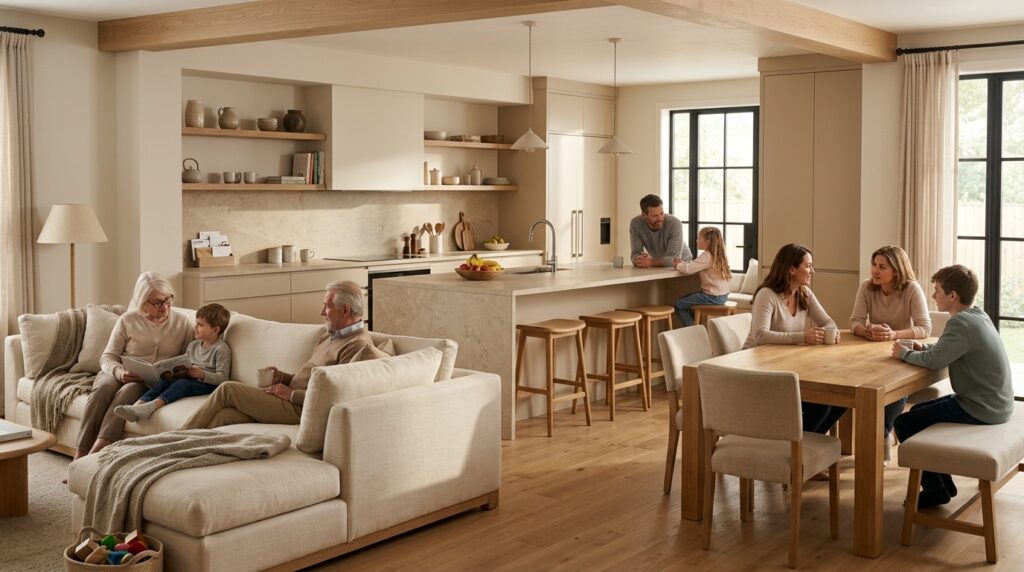
Why More Indiana Families Are Choosing Multigenerational Living
The top drivers behind multigenerational living include the economic climate, eldercare needs, and childcare needs. Cultural and family expectations and healthcare costs also rank high. None of these reasons are new, but the scale of the trend is.
The share of the U.S. population in multigenerational homes climbed from 7% in 1971 to 18% in 2021, more than doubling over fifty years. On a household-level basis, the country counted about 6.0 million multigenerational households in 2020, up from 5.1 million in 2010. This is the new normal, not a niche.
For Southwestern Indiana families specifically, several local factors push the trend along:
- Affordable land and home prices, which make a larger plan feasible compared to higher-cost urban markets.
- Strong family ties that are common across small-town and rural Midwestern communities.
- Aging-in-place preferences, with many grandparents wanting to stay close to family rather than move into senior living.
- Financial pressure on younger buyers, which makes combining incomes one of the most realistic paths to ownership.
How a Standardized Floor Plan Can Still Fit Three Generations
You don’t need a fully custom layout to build a home that works for multigenerational living. A standardized floor plan with the right bedroom count, smart bathroom placement, and well-defined zones can support three generations as effectively as a one-off custom build, and usually at meaningful savings.
This matters because most national multigenerational guides assume you’re working with a custom builder and a six-figure design budget. Reality looks different in Gibson County. Most Southwestern Indiana families building new are choosing from proven plans refined over many builds, not designing from scratch. That’s a feature, not a limitation.
The Value Built Homes approach starts with standardized, cost-engineered floor plans ranging from 2 to 5 bedrooms and 933 to 2,514 square feet. The larger 4 and 5 bedroom configurations are what naturally accommodate multigenerational living, with the bedroom count, bathroom layout, and gathering spaces a multigenerational family needs. The tradeoff looks like this:
- What standardized plans give up: Custom in-law suites with separate entrances, accessory dwelling units, and secondary kitchens.
- What they keep: Shorter build timelines (typically 5 to 7 months), more predictable pricing, and savings that help most buyers between 20% and 30% compared to building elsewhere.
For families weighing the tradeoff, the question to ask isn’t “do we want a separate apartment?” It’s “do we need a thoughtful floor plan with enough rooms?” For most multigenerational households, the answer is the second one.
Layout Features That Make a Multigenerational Home Work
The most important layout features for multigenerational living are bedroom and bathroom configuration, defined privacy zones, and shared gathering space. Get those right and the rest follows.
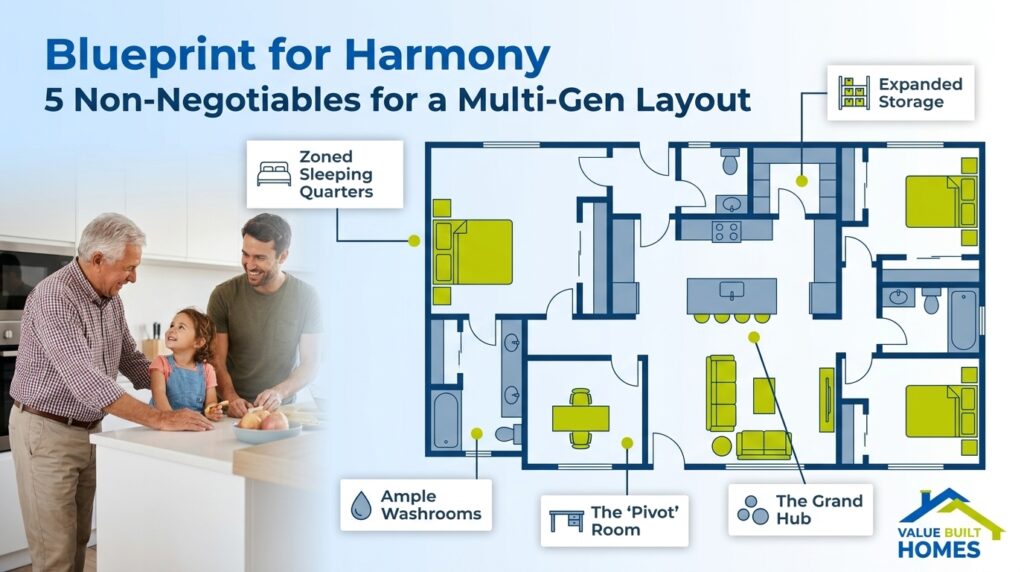
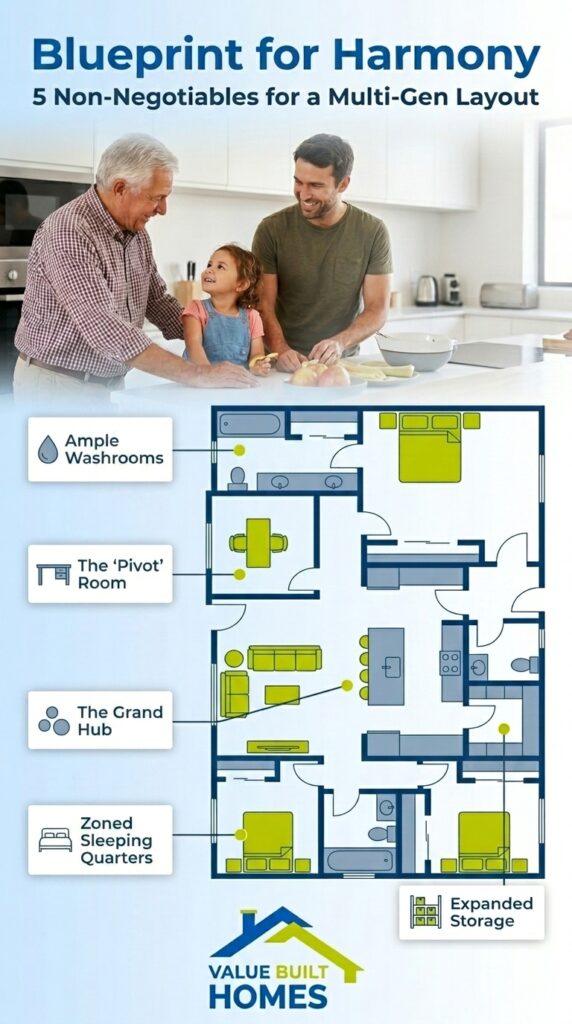
Here’s what to prioritize when evaluating plans for multigenerational use:
- Enough bedrooms with separation: Bedrooms on opposite ends of the house, or split between floors, give each generation their own quiet space. Plans where the primary suite sits across from a guest or junior suite work well when an aging parent moves in.
- Multiple full bathrooms: A single shared bathroom is the fastest path to morning chaos. Two full baths is the floor for a multigenerational household. Three is better.
- A flexible bedroom or den: A bonus room, study, or fifth bedroom serves as a quiet retreat, a home office, or a bedroom for a returning adult child without renovation.
- An open kitchen and family room: Multigenerational families spend a lot of time together. A central gathering space lets the whole household be in the same room without anyone feeling crowded.
- Storage that scales: Three generations means three sets of holiday decorations and three rounds of seasonal clothes. Walk-in closets, a full basement, and pantry space matter more here than in a smaller household.
Room sizing also plays a quieter but critical role. Bedrooms labeled the same on a plan can vary substantially in usable square footage. When you’re evaluating plans for multigenerational fit, picture how a queen bed, dresser, and chair actually fit in each bedroom, not just whether the room reads as adequate on paper.
Designing for Aging in Place and Universal Accessibility
If a parent or grandparent is moving in, or you’re planning ahead for that possibility, accessibility should drive plan selection. The features that make a home easier for older adults (wider doorways, zero-step entries, curbless showers, lever door handles) are part of what AARP calls universal design, which benefits every age group. AARP’s HomeFit Guide is the standard reference.
Key features worth prioritizing in a multigenerational build:
- Single-story living for the primary occupant: A bedroom, full bath, and main living area on the same floor as the front door means a senior family member won’t navigate stairs daily. This is often the single most consequential decision.
- A no-step entry from the garage or porch: Eliminates a common fall risk and makes the home accessible to anyone using a walker, cane, or wheelchair.
- Wider hallways and doorways: 36-inch interior doors and wider hallways accommodate mobility aids and make moving furniture significantly easier for everyone.
- Curbless showers with reinforcement for grab bars: Walk-in showers without a step look better than bolt-on accessibility hardware and are safer over the long run.
- Lever door and faucet handles: Easier to use for anyone with arthritis, full hands, or limited grip strength.
The single-story versus two-story decision deserves special attention. A two-story home costs less per square foot to build, but the cost difference between 1, 1.5, and 2-story plans doesn’t always tell the full story when accessibility is on the table. If a grandparent will spend most days going up and down stairs, the per-square-foot savings can disappear into stair lifts, modifications, or eventually moving them out altogether.
Note: Value Built Homes builds with accessibility-friendly features available across many plans, but does not certify universal design or guarantee specific accessibility ratings. The AARP HomeFit framework is a guide for what to ask for, not a certification claim about any particular home.
Privacy, Daily Flow, and Avoiding the “Always Together” Feeling
The most common worry about multigenerational living isn’t cost or design. It’s privacy. Families wonder whether everyone will end up living in each other’s pockets, or whether the house will start to feel like a hospital wing. A well-designed plan prevents both.
A few practical principles:
- Create at least two distinct quiet zones. That usually means bedrooms separated by the kitchen and family room, or one bedroom suite on the opposite end of the house from the others. Generations should be able to retreat without feeling like they’re hiding.
- Pay attention to bathroom placement. A bathroom directly off a shared hallway is fine. A bathroom shared between two bedrooms can create friction. A primary suite with its own bath is the most peaceful arrangement for the host couple.
- Build in a flex space. Even a small den, finished basement corner, or bonus room can serve as a refuge: a place to read, take a phone call, or watch a different TV show.
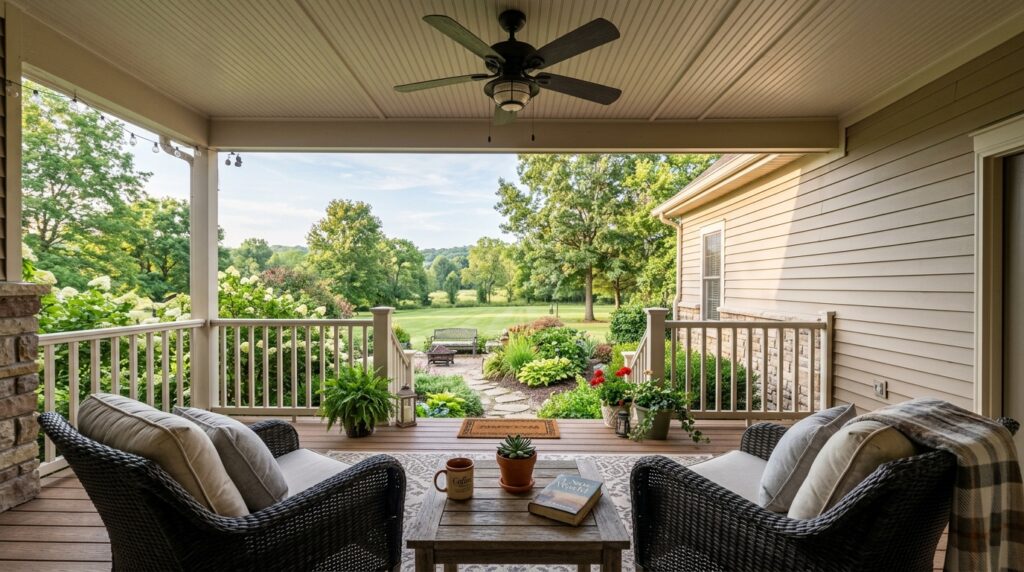
- Don’t underestimate covered porches and patios. Multigenerational homes work better when there’s a comfortable outdoor space someone can step out to. Outdoor square footage extends usable space without adding to the home’s footprint.
How to Choose the Right Floor Plan for Multigenerational Living
The right plan starts with an honest conversation about who’s living where, what’s permanent versus temporary, and what daily routines actually look like. Square footage matters less than how the rooms are arranged.
A practical evaluation checklist:
- Count the bedrooms you actually need. Not the bedrooms you might want, but the ones each generation requires for sleep and storage. Multigenerational households typically need at least four.
- Map the bathroom-to-bedroom ratio. Two bathrooms is the minimum. Three is comfortable. Bathroom location matters as much as count.
- Check the flow between private and shared spaces. Walk through the plan mentally on a Tuesday morning. Where does each person eat breakfast, get dressed, and decompress in the evening?
- Consider stairs honestly. If anyone in the household has mobility concerns now or could in five years, single-story plans deserve a careful look.
- Think about long-term flexibility. A bonus room used as a kid’s playroom today becomes a quiet adult bedroom in ten years. Plans that age well are worth more than plans that fit perfectly today.
A practical framework for evaluating plans walks through additional factors like lot fit, kitchen placement, and storage planning. For multigenerational households, bedroom count and accessibility usually dominate, but the rest still matters when you’re choosing a forever home.
Browse the full Value Built Homes floor plan catalog to compare layouts side by side. The 4 and 5 bedroom plans are the natural starting point for most multigenerational households.
Frequently Asked Questions About Multigenerational Home Design
What are the benefits of a multigenerational home?
The main benefits are caregiving support, financial stability, stronger family bonds, and built-in childcare. Combining households often makes a forever home affordable for families who couldn’t manage a comparable home individually, and it provides a built-in support system as parents age or kids return home.
What are the different types of multigenerational homes?
The most common types are three-generation households (grandparents, parents, children), aging-parent in-residence arrangements, boomerang households where adult children return home, and combined extended-family households. Most Southern Indiana multigenerational homes are designed within a standard floor plan rather than as a separate-entrance dual-living layout.
How do I design a home for multigenerational living?
Start with bedroom count and bathroom layout, prioritize a single-story plan if accessibility matters, build in privacy zones at opposite ends of the house, and look for at least one flex room that can adapt as the household changes. A 4 or 5 bedroom standardized plan typically supports a multigenerational household effectively without the cost of a custom dual-living layout.
Are there tax benefits to a multigenerational household?
There may be, depending on your specific situation, but tax law is complex and varies by state and family arrangement. Talk to a qualified tax professional before assuming any benefits. The Value Built Homes new home construction process covers the build itself; tax planning falls outside our scope.
How do you keep privacy in a multigenerational home?
Separate bedrooms with shared spaces between them, give each generation their own bathroom or bathroom adjacency, and build in at least one flex room as a quiet retreat. Outdoor spaces such as covered porches and patios extend usable square footage and let people step away when they need to. The structural warranty coverage that comes standard on a Value Built Homes build also takes long-term peace of mind off the table for forever-home buyers.
Build a Multigenerational Home That Works for Your Family
If you’re considering a multigenerational home in Southwestern Indiana, the right starting point is a clear sense of who’s living where, what your accessibility needs look like, and which floor plan actually fits. The Value Built Homes team can walk you through the larger plans best suited to multigenerational households and help you weigh the tradeoffs between layouts, bedroom counts, and single-story versus two-story options.
Contact the Value Built Homes team to start the conversation, or browse current plans to see what fits your family.