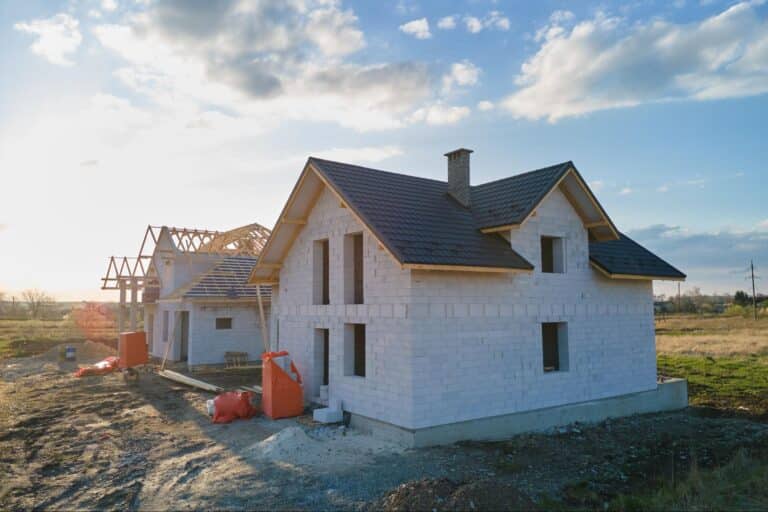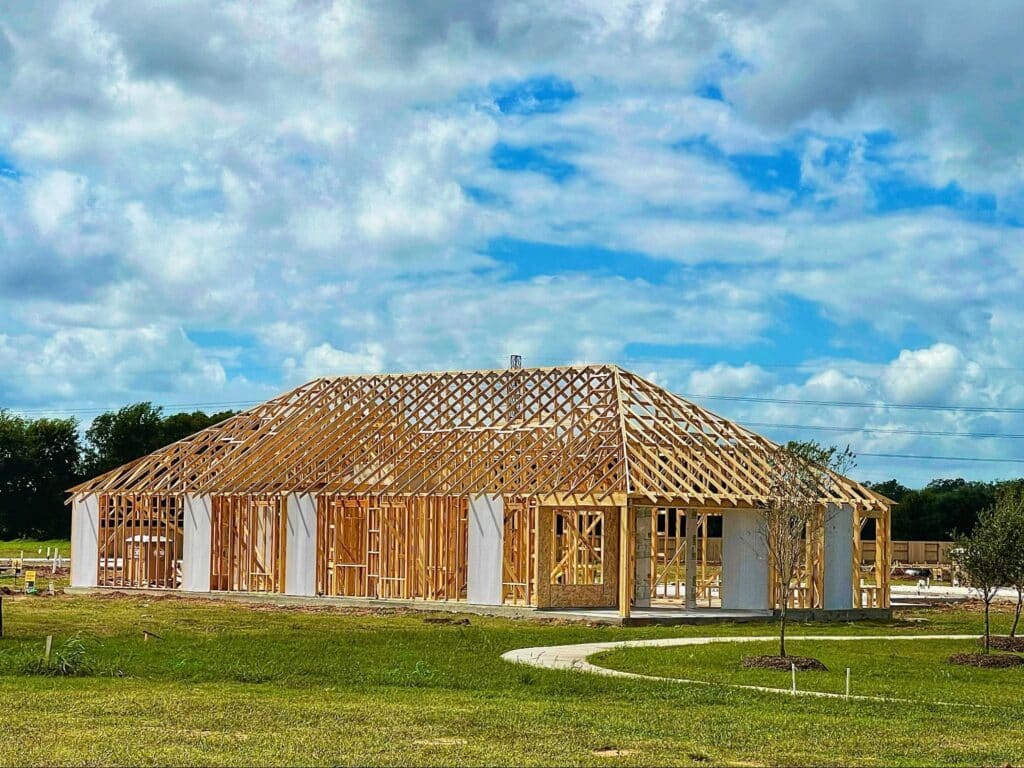
Building an affordable home in Southern Indiana is exciting—but local conditions like clay-heavy soil, frequent rainfall, and high humidity can expose shortcuts fast. This guide shows you where budget builds most often go wrong (often in ways you can’t see until later), and what to prioritize instead—so you can control costs while protecting durability, comfort, and long-term value.
What “Cutting Corners” Looks Like in New Construction
“Cutting corners” in new construction rarely looks dramatic in the moment—it usually shows up as small omissions, cheaper substitutions, or skipped steps that are hard to spot until months (or years) later.
Affordable Does Not Mean Low Quality
Affordability and quality can coexist. Rather than skimping on foundational elements, focus on proven construction methods designed for challenging soil and weather patterns. For instance, skipping a thorough soil test or using subpar insulation might lower initial costs—but these choices often result in foundation cracks, heightened energy bills, and increased repair expenses.
Hidden Long-Term Costs
Short-term savings achieved by cutting corners may lead to significant costs later. Insufficient waterproofing, for example, can allow water intrusion and mold growth. Poor roofing materials may wear out prematurely under Southern Indiana’s frequent rains. Homes built with robust materials and sound methods generally face fewer expensive repairs. Allocating resources strategically at the outset prevents future headaches and helps protect overall property value.
Building Affordable Homes: The Quality-First Budget Strategy
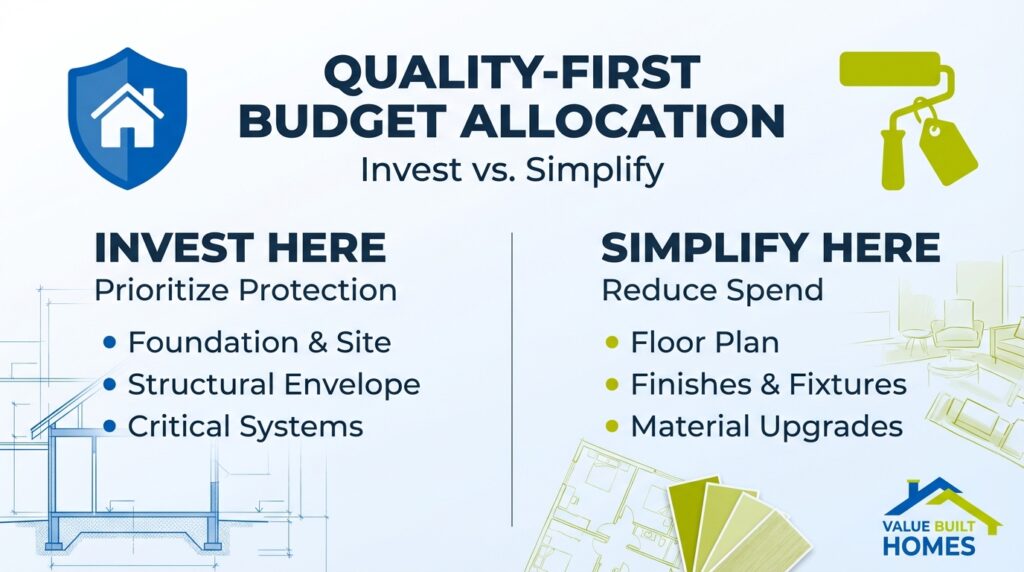
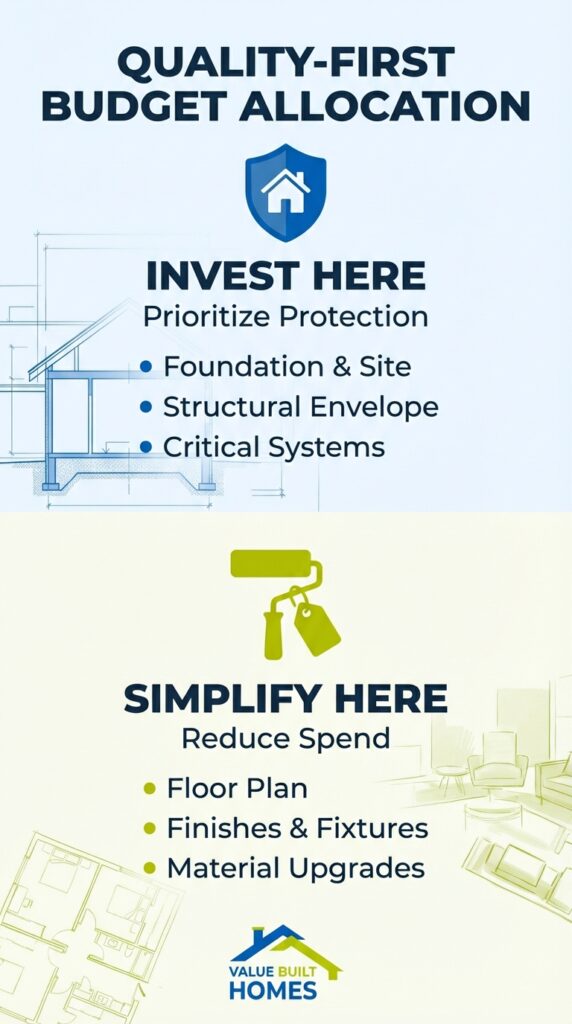
A quality-first budget strategy helps direct funds toward essential features while containing expenses in less critical areas.
Invest in “Hard-to-Fix” Areas
Focus your budget on structural durability. Start with a solid foundation, tested and augmented as necessary for local soil types. Proper drainage also matters. If testing reveals weak or heavily clay-based ground, consider specialized drainage solutions or reinforced foundation supports. Upgrading to energy-efficient insulation, HVAC systems following ENERGY STAR guidance, and well-sealed windows can yield immediate comfort and lower utility bills.
Keep Other Choices Simple
Simplifying design decisions can help you control costs. Builders like Value Built Homes offer simplified floor plans that reduce decision fatigue and speed up time to completion. Standard features—such as off-the-shelf fixtures or durable yet cost-effective flooring—maintain visual appeal without inflating your budget. This thoughtful, less-is-more approach keeps the focus on structural and mechanical components that genuinely impact your home’s lifespan.
By balancing high-impact investments with simplified choices, you’ll be ready to address Southern Indiana’s particular building conditions.
Building Smart in Southern Indiana: Soil, Moisture, and Energy Priorities

Southern Indiana’s climate and terrain create a few build-specific risks—and opportunities—that are worth planning for early. From variable soils and drainage needs to humidity-driven moisture control and long-term energy savings, these considerations help protect your foundation, improve indoor comfort, and reduce operating costs over time.
Soil and Site Due Diligence
Southern Indiana’s soil varies widely, from rocky patches to clay-rich terrain. Conducting soil tests early can highlight vulnerabilities and influence design decisions. For example, if the land is steeply graded or prone to retaining water, additional drainage steps based on USDA guidelines may be warranted. Correcting issues upfront reduces the risk of future structural trouble.
Moisture Management Essentials
Mold and water intrusion are frequent concerns in this humid region. While building, verify that your roof and exterior walls are properly sealed, your lot is graded for runoff, and gutters direct water away from the foundation. Additionally, following indoor air quality best practices and choosing moisture-resistant materials enhance your home’s durability. Reliable waterproof membranes and thorough checkups during construction ensure you’re safeguarding your home from day one.
Energy Efficiency as a Quality and Cost Safeguard
Energy-efficient homes in Indiana benefit from well-sealed windows, upgraded insulation, and renewable-energy readiness. Sealing air leaks and installing high-grade insulation can significantly reduce utility bills. Pair these measures with proper ventilation to keep humidity at bay. Over time, efficient solutions help you save money and boost property value—valuable perks for any homeowner in Southern Indiana.
Contracts & Allowances: Where “Corner-Cutting” Hides in Plain Sight
A clear contract is your best defense against hidden shortcuts, especially in Southern Indiana, where clay soils and heavy rains make “invisible” details like drainage and waterproofing critical. If something isn’t spelled out in writing, it’s vulnerable to downgrades or later upcharges.
Understanding and Managing Allowances
Allowances are budget placeholders for items yet to be chosen (like flooring or fixtures). They’re not firm prices—if you pick something more expensive, you pay the difference (sometimes plus markup).
Risks & Red Flags
Unrealistically low allowances often lead to surprise costs later, because the placeholder number may not reflect what most homeowners actually choose. You should also be cautious of vague language—such as “standard fixtures”—or missing specifics like square footage for flooring, since unclear scope makes it easier for costs (or quality) to shift during the build. In Southern Indiana especially, sitework and drainage deserve extra attention; clay-heavy soils and frequent rainfall can quickly turn a loosely defined allowance into a major overage, so these items should be clearly spelled out rather than left open-ended.
How to Protect Yourself
Protect yourself by requiring a detailed allowance schedule that lists the amount, the units it’s based on, and exactly what’s included. For any items you haven’t selected yet, ask the builder to put a written standard in the contract so you’re not relying on assumptions. You should also request proof of actual costs—such as invoices or receipts—when allowances are reconciled, and make sure the contract states you’ll receive dollar-for-dollar credits if you come in under budget. Finally, limit surprise add-ons by capping markups on allowance overages and clarifying how that markup is applied.
Top Contract Questions to Ask
- What’s included, and what’s not? (Ask for detailed specs and exclusions.)
- Can materials be substituted—and if so, how is this approved?
- How were allowances set? What markup applies to upgrades?
- What’s the process for change orders? Is written sign-off required?
- What site/soil testing and moisture management plans are included?
- What’s the builder’s warranty, and how are disputes resolved?
- Are third-party inspections allowed?
If answers are vague or documentation is missing, that’s a major red flag.
Documentation You Should Require
Clear documentation is what turns your contract from “best intentions” into real protection. By collecting the right paperwork upfront—and updating it as the build progresses—you reduce misunderstandings, prevent material substitutions, and create a paper trail you can rely on if questions come up later. Before work begins (and again before final payment), make sure you have the following items in hand:
- Full, dated plans and specifications
- Detailed allowance and selections sheets
- Sample change order and payment schedule
- Written warranty
- Site/foundation details (soil tests, drainage, waterproofing)
- Proof of key products (windows, roofing, HVAC)
- Receipts for allowance items
- Lien waivers before final payment
- Inspection and punch list records
Key Tip: Hold back enough payment until all punch list and documentation items are complete.
By asking smart questions and requiring thorough documentation, you’ll make it much harder for shortcuts to slip through—and protect your investment in your new Southern Indiana home.
Quality Checkpoints Throughout Construction
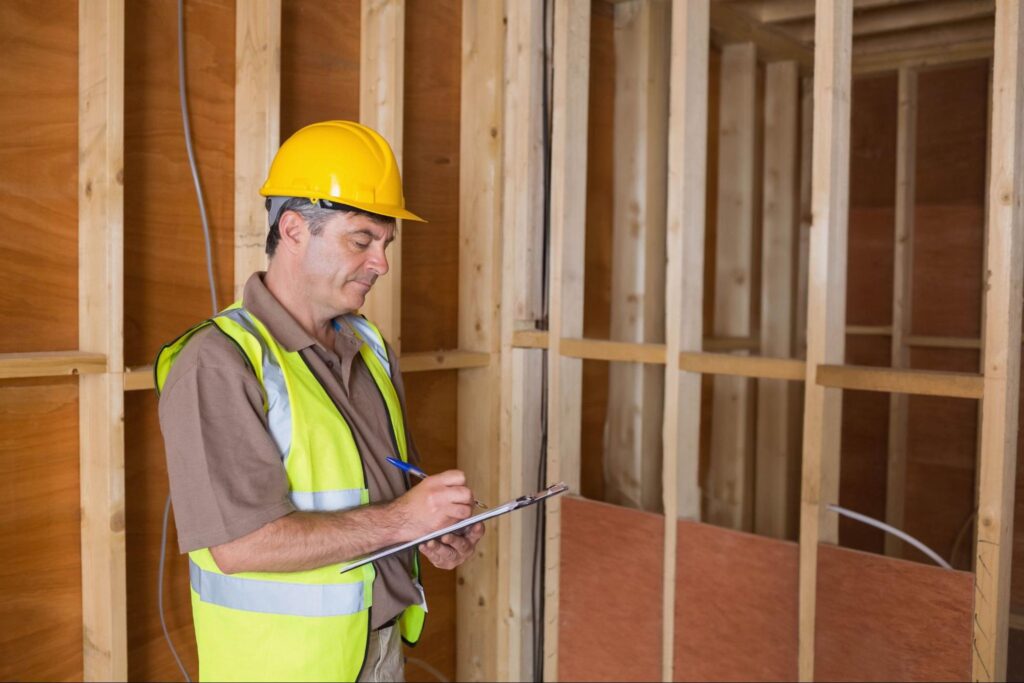
Regular, phase-specific inspections are your best safeguard against costly surprises. Use this expanded checklist to keep your project on track at every stage:
Before Ground-Breaking
- Confirm all permits are secured and floor plans are finalized.
- Hold a pre-construction meeting with your builder and all major subcontractors to review plans and quality expectations.
- Clearly communicate any site-specific challenges and make sure everyone understands the standards you expect for workmanship and materials.
Foundation Stage
- Inspect for proper soil compaction and grading, especially important in Southern Indiana’s clay soils.
- Verify that drainage systems (such as drain tile, sump pit, or waterproof membranes) are installed according to plan, before backfilling.
- Check that any required reinforcements—like rebar, thicker footings, or piers—match the engineer’s recommendations for your site conditions.
Framing & Dry-In
- Inspect framing for correct spacing, secure connections, and overall stability—critical for long-term structural integrity.
- Ensure roof underlayment, flashing, and shingle installation are appropriate for local weather conditions (frequent rain, wind).
- Look for proper installation of housewrap, window flashing, and door seals to prevent future water intrusion and drafts.
Rough-Ins & Insulation
- Confirm that plumbing, electrical, and HVAC rough-ins are positioned to match the plans and allow for future maintenance.
- Check that all systems are installed by licensed, experienced professionals and meet code requirements.
- Inspect insulation coverage in walls, attics, and rim joists—small gaps here can cause big issues with moisture or heat loss.
- Verify that air-sealing measures (like caulking and foam) are applied around penetrations and framing joints.
Final Walkthrough
- Walk the home room by room with your builder, checking for any cosmetic flaws, incomplete finishes, or structural concerns.
- Test all systems—plumbing, electrical, HVAC, appliances, and windows—to ensure they function properly.
- Review your punch list and ensure all agreed-upon corrections are completed before making final payment.
- Collect and file all final inspection reports, warranty documents, and lien waivers to protect your investment.
Following these checkpoints empowers you to catch issues early—saving time, money, and stress as your home reaches completion.
FAQ: Building an Affordable Home in Southern Indiana
What does “cutting corners” usually look like in new construction?
It’s rarely one big mistake—it’s small skipped steps or cheaper substitutions that are hard to see once walls go up. Common examples include rushed grading, minimal waterproofing, missed flashing details, thin insulation coverage, or low-quality sealants. The best protection is clear specs in writing and phase-by-phase inspections.
Do I really need a soil test in Southern Indiana?
In many cases, yes—because Southern Indiana soil can vary dramatically even within the same area, and clay-heavy ground can contribute to drainage and settling issues. A soil test (and/or an engineer’s recommendation when needed) helps you confirm the right foundation and drainage approach before you build. It’s a relatively small upfront cost that can prevent major structural repairs later.
What moisture-management items should be non-negotiable?
Start with correct lot grading, gutters/downspouts that move water away from the foundation, and proven waterproofing or damp-proofing details for below-grade walls. Window/door flashing and roof underlayment details matter just as much as the “big” waterproofing items. In a humid region, good ventilation and airtightness also help prevent condensation and mold.
What are builder allowances, and why do they cause surprise costs?
Allowances are placeholders for items you haven’t selected yet (like flooring, cabinets, lighting, or plumbing fixtures). If the allowance is unrealistically low, your real selections can create budget overages—sometimes with added markup. The fix is a detailed allowance schedule that lists exact amounts, quantities, what’s included, and how overages/credits are handled.
How can I save money without sacrificing quality?
Put your budget into “hard-to-fix” areas first: site prep, foundation/drainage, the roof and flashing system, air sealing, insulation, and HVAC quality. Then control costs by simplifying the floor plan, choosing standard finishes, and limiting change orders. In other words: reduce complexity, not performance.
When should I schedule inspections during the build?
The most valuable checkpoints are before the foundation is poured/backfilled, after framing and dry-in (roof/windows/housewrap complete), after rough-ins and insulation, and at the final walkthrough. These phases catch issues when they’re still accessible—and cheaper to correct. If your builder allows it, a qualified third-party inspector can be a smart extra layer of protection.
Balancing Affordability and Quality in Southern Indiana Homes
Building an affordable home in Southern Indiana isn’t about spending the least—it’s about spending smart for local realities like clay soil, heavy rain, and high humidity. Prioritize what’s hardest to fix later: site prep and drainage, moisture protection and air sealing, and an energy-efficient envelope that keeps utility bills down. Keep finishes simple if needed, but don’t compromise on the “behind-the-walls” work that protects durability and long-term value.
Ready to build affordably without risking quality? Contact Value Built Homes today to review your budget, land, and plan—and get a clear, written scope that protects you from costly surprises.