Building a home is an exciting journey, but it’s crucial to consider how your new space will perform over time. In Indiana’s variable climate, air sealing new construction is one of the most effective ways to reduce energy leaks and drafts from day one. Well-sealed windows, doors, and other elements of the building envelope help stabilize indoor temperatures, reduce energy consumption, and lower utility expenses—all while enhancing comfort and property value.
This guide explains how strategic decisions around windows, doors, and airtight construction not only prevent energy leaks from day one but also deliver lasting comfort. You’ll learn practical tools, checklists, and key insights to build a home that is energy-smart, cost-effective, and resilient.
Why Openings and Air Sealing Deserve Your Attention
While many homeowners focus on upgrades like solar panels or advanced insulation, creating an airtight envelope around your home remains one of the most effective energy-saving strategies. Air sealing reduces the uncontrolled flow between the interior and exterior, alleviating the workload on heating and cooling systems while promoting stable indoor temperatures.
Energy-efficient windows and doors, when properly chosen and installed, minimize unwanted air exchange. These components reduce drafts and prevent energy waste, contributing to lower utility bills and improved comfort throughout the year. For the big-picture view beyond air sealing, start with our guide to the 5 core pillars of energy-efficient home design.
The Hidden Pathways Where Energy Escapes
Even in well-constructed homes, small gaps can lead to significant energy loss. Common culprits include:
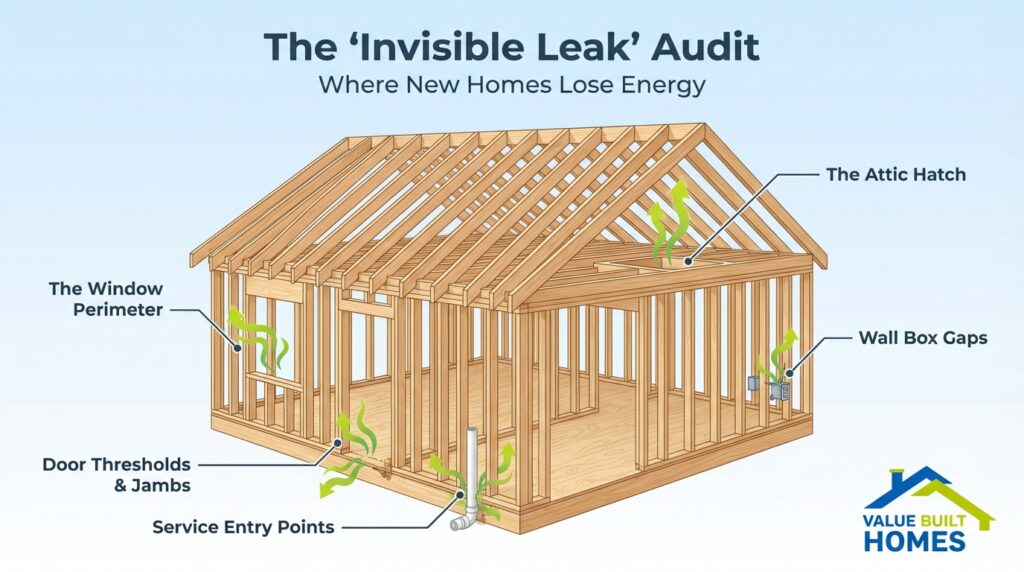
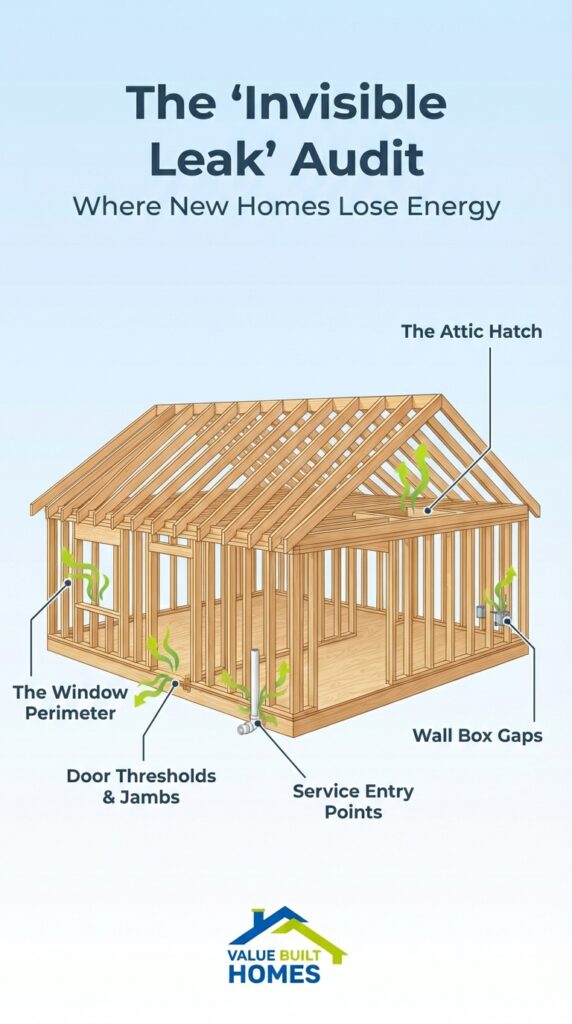
- Gaps Around Windows: Insufficient weatherstripping or installation gaps can allow air leakage.
- Door Frames and Thresholds: Misaligned door jambs or worn seals contribute to drafty conditions.
- Utility Penetrations: Openings for plumbing, cables, or ductwork can become unintended air leak pathways.
- Attic Hatches: Without proper sealing, these openings permit warm air to escape.
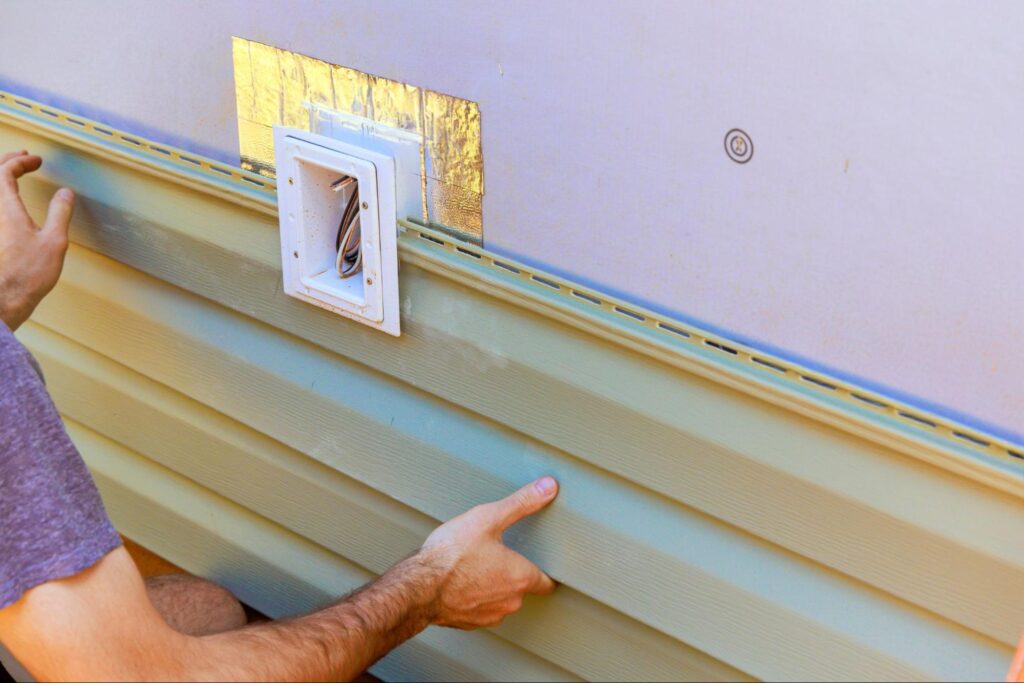
- Electrical Outlets on Exterior Walls: These points may leak air if not properly insulated.
Addressing these areas during construction, rather than retrofitting later, establishes a strong foundation for long-term energy efficiency.
How New Construction Ensures Superior Sealing
Building a home from scratch presents the best opportunity to incorporate effective energy-saving measures. New construction allows for:
- Continuous Air Barrier Integration: Designers plan for a consistent air barrier that minimizes air infiltration.
- Premium, Energy-Certified Openings: Quality energy-certified windows and doors, chosen for their performance, help maintain comfortable indoor conditions.
- Specialized Air and Moisture Barriers: Advanced materials such as Typar Building Wrap provide a vapor-permeable barrier to protect against both drafts and moisture.
- Thorough Pre-Finishing Inspections: Critical inspections, such as pre-insulation and pre-drywall walkthroughs, ensure that gaps or misalignments are corrected early in the construction process.
If you’re weighing the long-term payoff, energy-efficient homes in Indiana can lower utility costs and improve comfort over time. This proactive approach not only saves time and money compared to retrofits but also positions your home to perform efficiently from day one. Combined with streamlined construction schedules, you can enjoy your new, efficient space sooner.
Stage 1 – Choosing Energy-Efficient Windows and Doors
Investing in the right windows and doors is pivotal for an energy-efficient home in Indiana. Beyond providing natural light and fresh air, these elements play a key role in sealing your home against energy loss.
Understanding Window and Door Performance Ratings
When selecting products, focus on key performance metrics such as:
- U-Factor: Lower values indicate better insulating performance, an important factor for colder Indiana winters.
- Solar Heat Gain Coefficient (SHGC): A balanced value helps limit unwanted solar heat during summer while still providing useful warmth during winter.
- Energy Star Certification: This ensures that the products meet rigorous energy efficiency standards.
Prioritize windows and doors with performance ratings that suit Indiana’s seasonal extremes.
Materials and Features That Meet Indiana’s Climate
The overall performance of windows and doors depends largely on their construction:
- Frames: Vinyl and fiberglass frames offer reliable insulation and long-lasting durability.
- Glazing: Double or triple glazing can significantly reduce temperature fluctuations.
- Low-Emissivity Coatings: These coatings help control heat transfer while still allowing natural light.
Investing in high-performance products means fewer drafts, lower utility expenses, and consistently comfortable indoor environments.
Spotlight on Energy-Efficient Window Options
Many manufacturers offer windows tailored for energy efficiency through features such as multi-layered glass and robust framing. For example, products from Sun Windows & Doors are designed with energy performance in mind, featuring layers of glass and strong framing elements that help maintain indoor comfort. While these products incorporate features beneficial for varied climates, homeowners should consult with industry experts to ensure their selections align with local conditions.
Don’t Overlook Doors
Doors are as critical as windows in maintaining the efficiency of your home’s envelope. Poorly fitted or insulated doors can lead to significant energy loss. Options like steel or fiberglass doors with advanced weatherstripping and compression seals help maintain a tight fit and block drafts effectively.
Questions to Ask When Choosing
Before finalizing your selections, consider asking your builder:
- What U-Factor and SHGC values are best suited for Indiana’s climate?
- Do the products incorporate Low-Em coatings or other energy-saving features?
- What materials are used in the frames, and how do they contribute to efficiency?
- How are seals and weatherstripping integrated to prevent air leakage?
- Which models have been shown to perform well in similar conditions?
These inquiries help ensure that the chosen products meet energy standards and deliver dependable performance.
Stage 2 – The Importance of Proper Installation and Sealing Practices
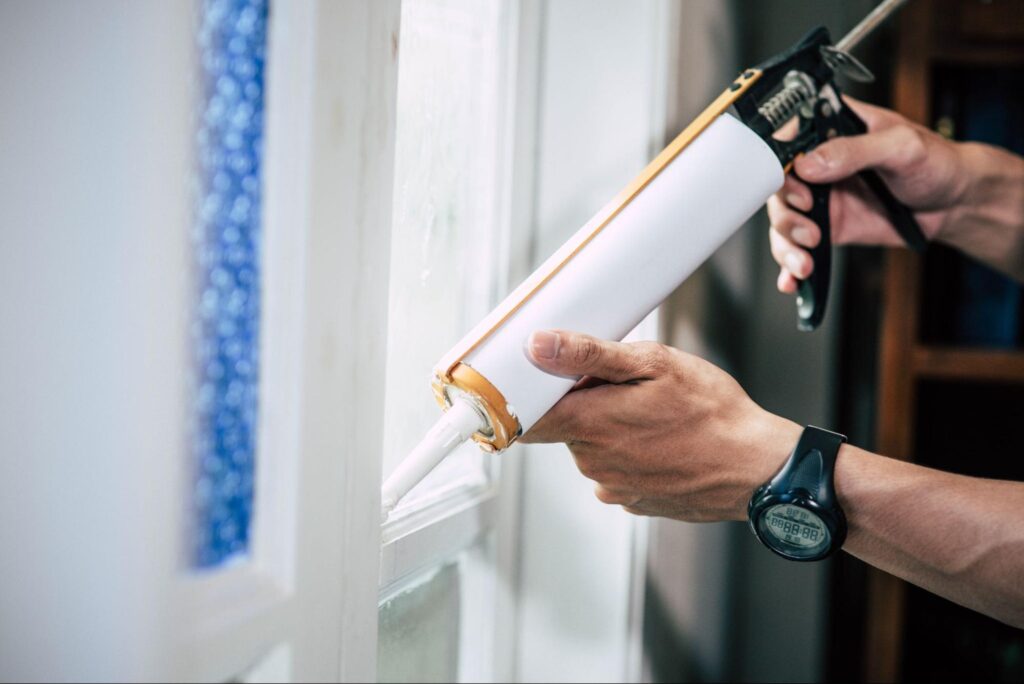
Even the best products won’t perform as expected without precise installation. Expert installation is essential to achieving a truly airtight home.
Housewrap and Air Barriers
Using housewrap and air barriers is a key element of energy-efficient construction. When properly installed, products like Typar Building Wrap serve as an effective shield against wind and moisture while allowing indoor moisture to escape. This balance helps prevent mold and rot while reducing air leak potential.
Step-by-Step: Sealing Windows and Doors
Effective installation practices for windows include:
- Preparing the Opening: The rough opening is built slightly larger to accommodate precise alignment.
- Installing Flashing: Flashing is applied to redirect water and block drafts.
- Positioning the Window: The window is leveled and secured carefully.
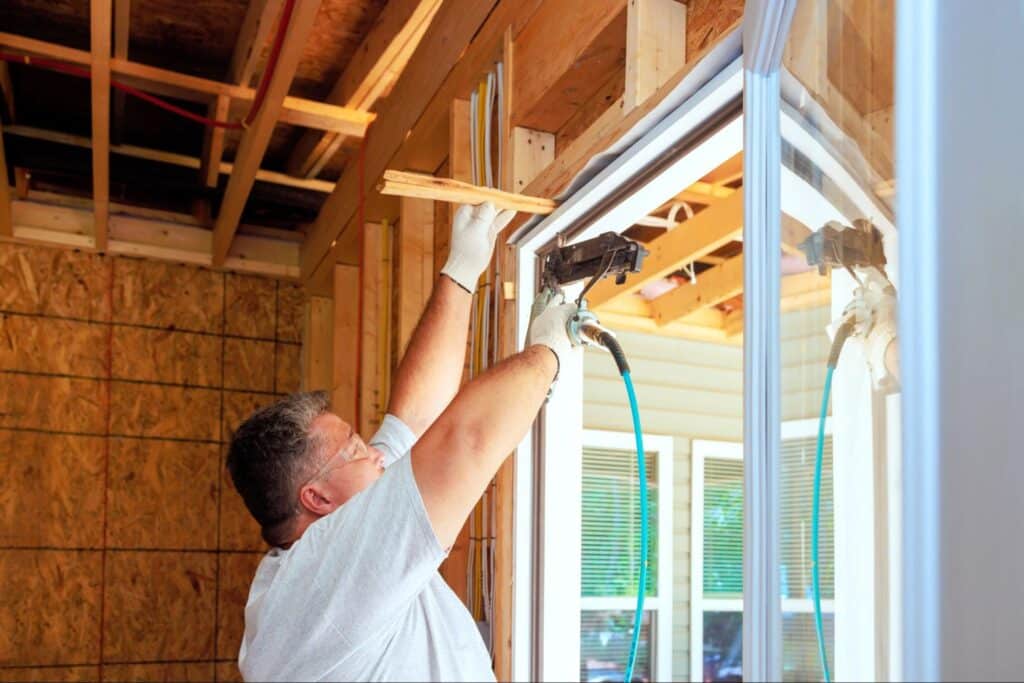
- Sealing Gaps: Insulating foam or caulk fills any remaining spaces.
For doors, proper installation involves flashing thresholds, shimming for alignment, applying weatherstripping, and securing the door tightly to reduce air gaps.
Addressing Other Leak-Prone Areas
Also, consider sealing other common leak areas:
- Ductwork: Prevent heated or cooled air from escaping.
- Utility Openings: Seal gaps around wires and pipes with expanding foam or caulk.
- Electrical Outlets on Exterior Walls: Use insulated gaskets to minimize leaks.
- Exhaust Vents: Ensure perimeters are caulked to reduce air loss.
Pre-Drywall Walkthrough
A pre-drywall inspection is invaluable for verifying that all air barriers and sealing measures are correctly installed. Use a checklist to:
- Confirm the integrity of the housewrap.
- Inspect window flashing for proper coverage.
- Check that gaps around frames are filled.
- Verify threshold sealing and proper treatment of utility penetrations.
Early detection and correction of any issues set the stage for sustained energy efficiency and comfort.
Stage 3 – Assessing Energy Efficiency After You Move In
Once you move into your new home, it’s important to monitor its energy performance to ensure ongoing efficiency.
Comfort Indicators
A well-sealed home maintains consistent temperatures across all rooms. You should notice reduced drafts near windows and doors and an overall stable indoor environment.
Warning Signs of Air Leaks
Watch for:
- Condensation: Along window edges, possibly indicating air leakage.
- Drafts: Near openings or attic hatches.
- Unexplained Energy Bill Spikes: That may signal unseen leaks.
- Visible Damage: Such as peeling paint or signs of moisture intrusion.
These signs may suggest that further sealing or maintenance is required. If you suspect leaks after move-in, start with the DOE’s air sealing your home guide to identify likely trouble spots before calling a pro.
Tips for Long-Term Maintenance
To sustain energy efficiency over time:
- Inspect window and door seals each season.
- Clean and lubricate moving parts to ensure effective closures.
- Reapply caulk or weatherstripping when needed.
- Tighten any loose hardware to maintain a secure seal.
Regular maintenance not only prolongs the efficiency of your home but also prevents minor issues from developing into larger problems. For a seasonal schedule and deeper upkeep guidance, check out our new construction home maintenance tips.
When to Think Beyond the Shell (HVAC, Renewables, and More)
Once windows, doors, and air sealing are handled the right way, you’re in a much better position to evaluate what comes next—because your home’s energy needs will be clearer (and often smaller). This is the point where it makes sense to look “beyond the shell,” including:
- HVAC design and sizing: A tighter home often needs less heating and cooling capacity than a leaky one. Proper sizing can improve comfort and reduce short-cycling.
- Ventilation and indoor air quality: Airtight homes benefit from intentional, controlled fresh-air strategies rather than accidental air leakage.
- Insulation strategy: The envelope works best when insulation and air sealing are treated as a coordinated system—not separate tasks.
- Renewables (like solar): Solar is most powerful when paired with reduced energy demand—so your system can potentially be smaller while still making a meaningful impact.
Why Value Built’s Approach Pays Off in Comfort, Bills, and Resale
Energy efficiency isn’t just about checking boxes—it’s about building a home that performs well for years. The Value Built Homes approach focuses on getting the fundamentals right during construction, when it’s easiest (and most cost-effective) to do them correctly. That can pay off in three big ways:
- Comfort you notice daily: Fewer drafts, fewer temperature swings, and better overall “feel” in the home.
- Lower utility bills over time: A tight, properly sealed envelope reduces wasted heating and cooling—without relying on constant add-ons later.
- Resale advantages: Many buyers recognize and value energy-smart features, especially when they translate into comfort and predictable monthly costs.
And if you want to continue improving after move-in, you can build on that strong foundation with targeted improvements later—without having to “undo” shortcuts.
Frequently Asked Questions About Energy Leaks in New Home Construction
What are the most common energy leak locations in a newly built home?
The most common leak points include gaps around windows and doors, top plates and attic penetrations, rim joists, utility penetrations (plumbing/electrical), attic hatches, and any unsealed transitions between materials.
Can a home be “too airtight”?
A home can be very tight—and still healthy and comfortable—when it has proper ventilation. The goal is not “leaky fresh air,” but controlled fresh air that supports indoor air quality and moisture management.
Should air sealing happen before insulation?
Yes. In most cases, air sealing should be verified before insulation goes in. Insulation slows heat transfer, but it doesn’t reliably stop air movement if there are gaps and pathways.
Do I need to replace windows to have an energy-efficient home?
In new construction, choosing efficient windows matters—but installation and sealing are just as important. Even high-performance windows won’t perform well if the rough opening and perimeter aren’t properly flashed and air sealed.
What window ratings should I pay attention to in Indiana?
Start with U-factor (insulating performance) and SHGC (solar heat gain control). The best fit can vary by orientation, shading, and your comfort goals, so it’s worth reviewing window selections with your builder using your floor plan.
What are signs of air leaks after moving in?
Common signs include drafts, uneven temperatures between rooms, condensation around window edges, and unexpected increases in utility bills. These may indicate areas that need additional sealing or adjustment.
How can I make sure air sealing was done correctly before drywall?
Ask for a pre-drywall walkthrough with a checklist and request confirmation that key areas were sealed: window/door openings, top plates, rim joists, penetrations, attic access points, and any transitions in the air barrier system.
Build Smart for a Comfortable, Energy-Efficient Home
Investing in a well-sealed and thoughtfully designed building envelope is essential for an energy-efficient, comfortable home. By focusing on proper air sealing, using quality windows and doors, and implementing energy-smart construction practices, you can reduce utility bills, maintain stable indoor temperatures, and enhance your home’s value over time.
If you’re planning a new build in Indiana, consider partnering with builders who emphasize streamlined construction and energy efficiency. Contact Value Built Homes today to learn more about building a space that minimizes energy leaks and improves your quality of life for years to come.