A basement often forms the foundation of a home’s safety, functionality, and resale value. In Indiana, where unpredictable weather patterns converge with clay-rich, expansive soils, keeping that space secure, dry, and healthy is critical. As these soils swell when wet and shrink as they dry, they exert pressure on foundation walls and floors, often leading to cracks that open the door to water intrusion and other risks.
Without proper waterproofing, basements become vulnerable to water damage, threatening structural integrity and encouraging harmful mold growth. Compounding these challenges is radon gas, a naturally occurring but invisible threat to indoor air quality and long-term health that can seep through the same cracks and gaps in the foundation. For Indiana homeowners, a proactive, tailored approach to basement care goes beyond convenience—it’s essential. This article explains why waterproofing and radon mitigation matter so much in Indiana, offers practical tips to help you maintain a safe space, and shows how Value Built Homes integrates proven, Indiana-specific construction practices from the ground up.
Why Basement Waterproofing Matters in Indiana
Basement waterproofing is your first line of defense against Indiana’s wet, clay-heavy conditions. Expansive soils around the foundation absorb water during heavy rain or snowmelt, then swell and push against basement walls. As they dry and contract, this constant movement can cause cracks that allow water to find its way inside.
Indiana’s heavy rainfall, snowmelt, freeze–thaw cycles, and shifting groundwater levels all increase hydrostatic pressure on basement walls and floors. Once cracks develop, they don’t just admit moisture—they can also widen over time, leading to more significant seepage, dampness, and mold growth that compromise both your home’s structure and your indoor air quality.
By investing in robust waterproofing solutions that are designed for Indiana’s soils and climate—such as exterior barriers, interior drainage, and sump systems that relieve pressure and redirect water—you help prevent damage before it starts, protect your home’s value, and support a healthier living environment over the long term.
Understanding Radon and Its Health Risks
Radon is an invisible hazard that may be present in your home without warning. This naturally occurring radioactive gas originates from the decay of uranium in rocks and soil and can enter basements through the same foundation cracks, joints, and gaps created by Indiana’s expansive soils and changing moisture conditions. Although you can’t see or smell it, radon exposure is substantial—radon is recognized as the second leading cause of lung cancer after smoking, according to the Environmental Protection Agency.
Indiana’s geology and climate patterns make this risk more pronounced. Clay-rich soils that expand and contract, along with shifting groundwater and seasonal temperature swings, can open new pathways for radon to move from the soil into your basement. Structural cracks caused by water pressure or soil movement often serve as shared entry points for both moisture and radon, underscoring the need for an integrated approach to basement protection.
Regular radon testing is simple, affordable, and essential for every homeowner in the region. The Indiana Department of Health provides additional guidance on testing and local risk levels. If testing reveals elevated levels, professionally designed mitigation systems—such as sub-slab depressurization, which relieves pressure under the slab and vents radon safely outdoors—can significantly reduce concentrations. When combined with sound waterproofing and ongoing monitoring, these measures help manage both moisture and radon risks over time.
Effective Waterproofing Solutions for Indiana Homes
Protecting your basement from water damage begins with proven strategies that keep your space dry and resilient over the long term:
- Interior Drainage Systems: Installing perforated drain tiles beneath the basement floor quickly redirects water into a sump pit, where a sump pump moves it away from the home. This approach is especially beneficial during heavy storms or periods of increased water flow.
- Exterior Waterproofing: Applying a protective membrane or coating on the outside of foundation walls helps stop water at its source. Additional drainage layers further channel moisture away from the structure, reducing pressure on basement walls and minimizing the risk of cracks.
- Regular Upkeep: Even the best systems need periodic checks. Simple steps—such as inspecting gutters and downspouts for blockages, checking for foundation cracks, and ensuring your sump pump is functioning properly—can help maintain effective waterproofing for many years.
Following established guidelines provided by organizations like the National Association of Home Builders can help you select quality materials suited to Indiana’s demanding conditions. By combining interior drainage, exterior shielding, and routine maintenance, you can preempt water damage before it becomes a serious threat.
Radon Mitigation Strategies for Indiana Basements
Effective radon management starts with understanding how radon moves through soil and foundations, then designing systems that keep levels safely low over time:
- Professional Radon Testing: Begin with accurate testing to establish baseline radon levels. Regular follow-up testing helps track changes over time—especially important in Indiana, where shifting soil moisture and foundation movement can alter radon entry points.
- Sub-Slab Depressurization Systems: For many Indiana homes, sub-slab depressurization is the most proven mitigation method. A network of pipes installed beneath the foundation slab draws radon from the soil and vents it safely outdoors, preventing the gas from accumulating in your basement.
- Addressing Cracks and Soil Shifts: Routine inspections for foundation cracks, gaps, or signs of soil movement are essential. Sealing obvious openings and monitoring areas under stress helps limit radon entry and supports the performance of your mitigation system.
- Radon-Resistant Features in New Construction: Incorporating radon-resistant construction techniques—such as continuous vapor barriers, gas-permeable layers beneath the slab, and pre-installed vent conduits—reduces radon entry from the start. These measures align with best practices and regulatory guidance for safer new homes.
- Ongoing System Monitoring and Adjustment: Because conditions can change over time, periodic testing and system checkups are important. If elevated radon levels persist or reappear, a qualified professional can adjust or upgrade the mitigation system to maintain safe indoor air quality.
Together, professional installation and ongoing testing give Indiana homeowners a reliable, long-term way to manage radon risks.
The Importance of Professional Solutions for Long-Term Home Safety
When it comes to waterproofing and radon mitigation, professional expertise is essential for ensuring comprehensive and lasting protection. Certified specialists understand how factors like foundation design, local climate, and soil composition work together, enabling them to implement targeted solutions that stand the test of time.
Professional installations typically:
- Use high-quality building materials that adhere to established industry standards.
- Ensure compliance with local building codes and regional safety requirements.
- Provide warranties or maintenance plans that offer added peace of mind.
Though do-it-yourself solutions may appear cost-effective initially, incomplete installations can lead to recurring problems, exposing your home to moisture or radon risks eventually. Working with experienced professionals ensures that every home receives a thorough, integrated protective treatment.
Benefits of Addressing Basement Safety During New Home Construction
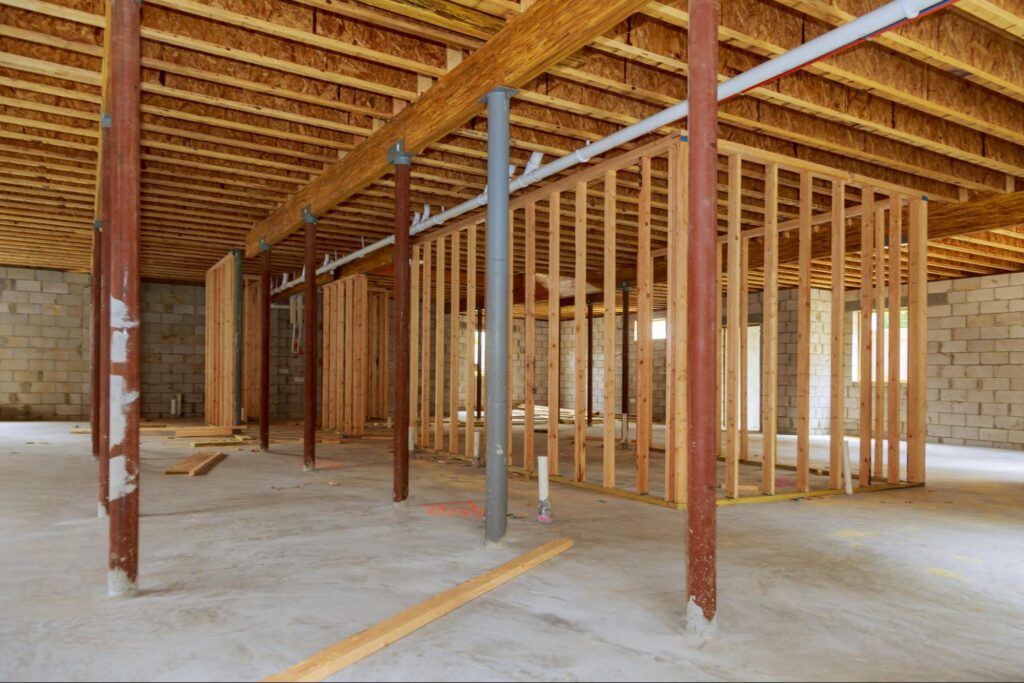
Incorporating waterproofing and radon mitigation as part of new home construction can provide significant benefits:
- Cost-Efficiency: Planning for drainage, sealing, and radon-resistant features during construction is generally more economical than retrofitting later, reducing overall project costs.
- Long-Term Durability: A well-protected basement safeguards against recurring damage due to soil movement and temperature fluctuations, preserving the home’s structural integrity and reducing the need for extensive repairs.
- Enhanced Resale Value: Homes with well-executed waterproofing and radon mitigation measures typically attract discerning buyers, offering a clear advantage in the market with their added safety and reduced risk of future repairs.
By addressing basement safety at the outset, you not only protect your investment but also create a healthier, more secure living environment—a strategy that makes a measurable difference over the long term.
How Value Built Homes Puts Basement Safety First
At Value Built Homes, basement safety is an important component of the construction process. Their experienced teams carefully assess drainage needs, foundation designs, and local soil conditions before finalizing construction plans. Waterproofing systems employed typically combine exterior membranes with robust interior drainage solutions, including sump pumps, to manage water effectively.
In terms of radon, Value Built Homes designs homes with radon mitigation considerations in mind. Rather than a one-size-fits-all solution, they incorporate established radon resistant construction practices, such as sub-slab piping and sealing foundation gaps, based on local environmental factors. This approach reflects a commitment to quality construction methods that address common challenges in Indiana, thereby contributing to durable, resilient homes that align with your preferred floor plans.
Additional Considerations for Indiana Homeowners
Even with high-grade waterproofing and radon mitigation in place, ongoing vigilance is key to maintaining a safe home in Indiana’s variable climate.
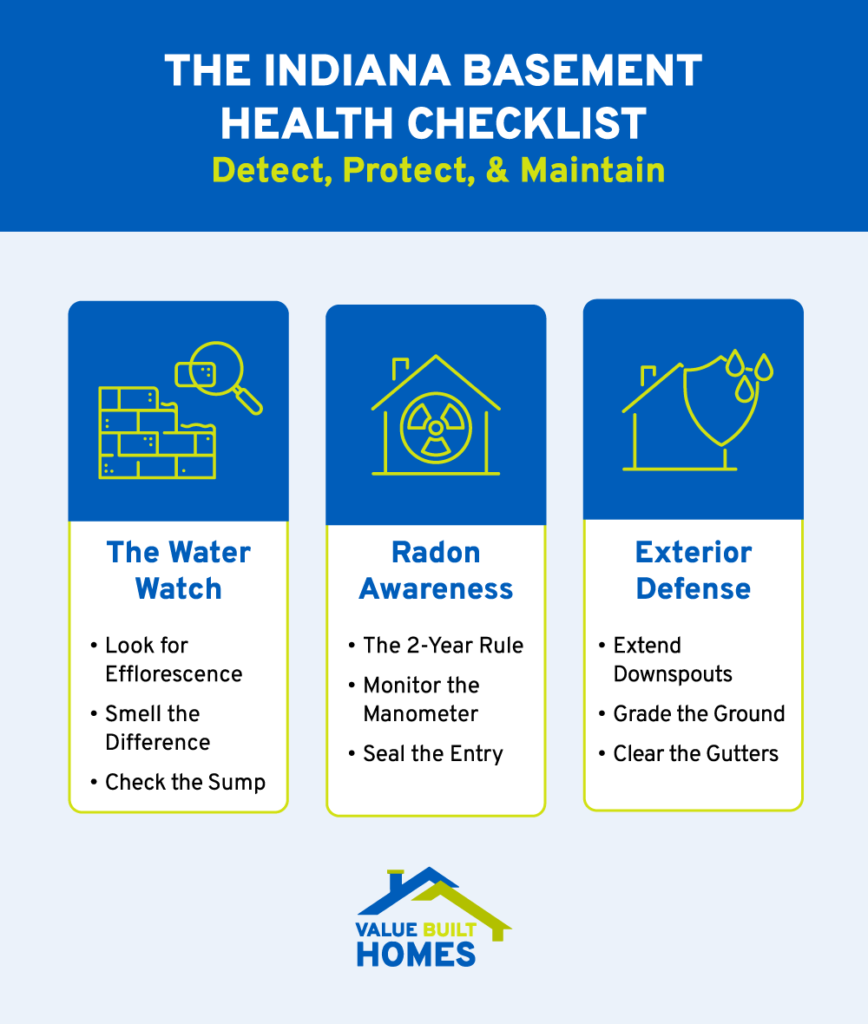
Annual or Biennial Radon Testing
- Re-test every 1–2 years, or after major structural or grading changes.
- Use long-term tests for the most accurate picture of typical exposure.
- Address any elevated readings with a qualified mitigation professional.
Routine Basement Inspections
- Look for:
- Damp spots or efflorescence on walls and floors
- Musty odors or visible mold
- Peeling paint or finishes
- Check around plumbing penetrations, windows, and joints where walls meet the floor.
Proactive Maintenance and Planning
- Keep gutters and downspouts clear and direct water away from the foundation.
- Test your sump pump regularly, especially before rainy seasons.
- Seal new foundation cracks promptly.
- For planned remodels or finishing:
- Confirm existing waterproofing is performing well.
- Coordinate any new walls or flooring with radon and moisture control.
Frequently Asked Questions About Indiana Basements, Waterproofing, and Radon
Why are Indiana basements especially prone to water problems?
Indiana’s clay-rich, expansive soils absorb water during heavy rain and snowmelt, then swell and push against basement walls. As they dry and contract, this movement can cause cracks that let water seep in. Combined with heavy rainfall and freeze–thaw cycles, this makes basement leaks and moisture issues more common in Indiana.
What are the warning signs that my basement needs waterproofing?
Watch for:
- Damp or discolored spots on walls or floors
- Musty odors or visible mold/mildew
- White, chalky residue (efflorescence) on concrete
- Peeling paint, warped trim, or soft drywall
- Standing water or recurring puddles after storms
These signs suggest it’s time for a professional waterproofing evaluation.
What is radon, and why is it a concern in Indiana basements?
Radon is a naturally occurring radioactive gas that forms from the breakdown of uranium in soil and rock. It seeps into basements through cracks, joints, and gaps in the foundation. Several areas in Indiana are considered higher risk for elevated radon levels, and long-term exposure is linked to an increased risk of lung cancer, even for non-smokers.
How do I know if my Indiana home has a radon problem?
You can’t see or smell radon, so the only way to know is to test. Homeowners can use DIY test kits or hire a certified radon professional. If test results are at or above the EPA action level of 4.0 pCi/L, a radon mitigation system is strongly recommended.
What is sub-slab depressurization, and how does it reduce radon?
Sub-slab depressurization is the most common radon mitigation method for basements. A vent pipe and fan draw air from beneath the concrete slab and exhaust it safely above the roofline. By creating lower pressure under the slab than inside the home, the system captures radon-laden soil gas before it can enter your living space.
Ensuring Long-Term Home Safety Through Proactive Measures in Indiana
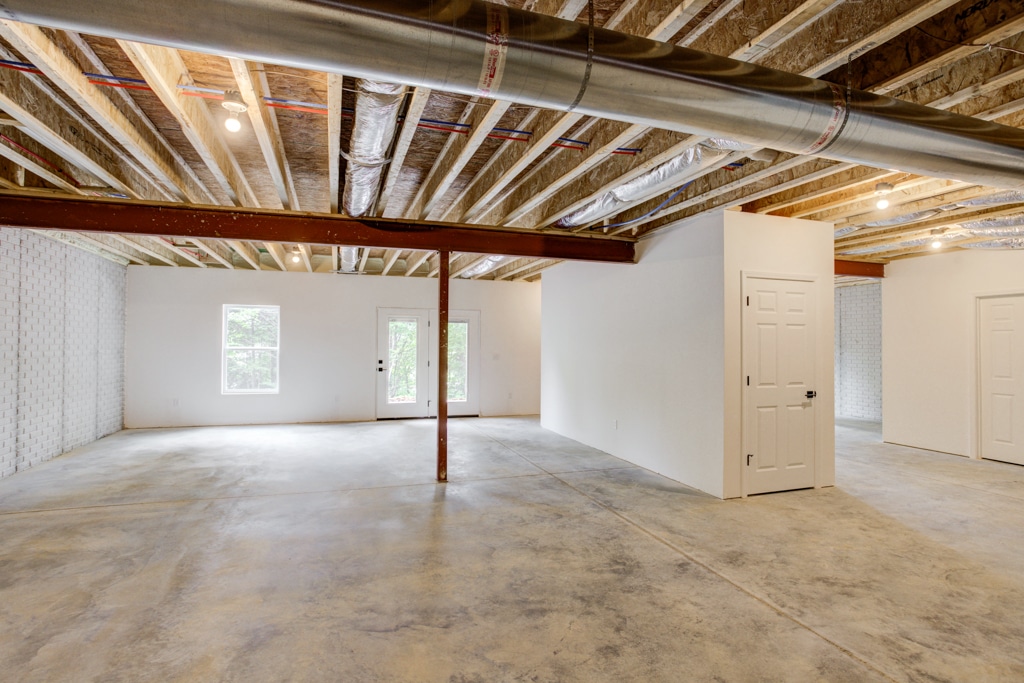
Safeguarding Indiana basements against water damage and potential radon issues is vital for maintaining a healthy, resilient home. Given the state’s heavy rainfall, clay-based soils, and variable climate, proactive waterproofing and radon mitigation measures are not just options but necessities for long-term home safety.
Builders like Value Built Homes emphasize construction practices that consider local environmental challenges. By employing reliable waterproofing techniques and integrating established radon mitigation strategies where needed, they work to build homes designed for Indiana’s unique conditions—thereby enhancing durability, ensuring safety, and adding value.
Planning a new build or want to retrofit your existing home for better protection? Contact Value Built Homes today. and allow our expert team to help you design a high-quality, secure, and stress-free living space from the ground up.