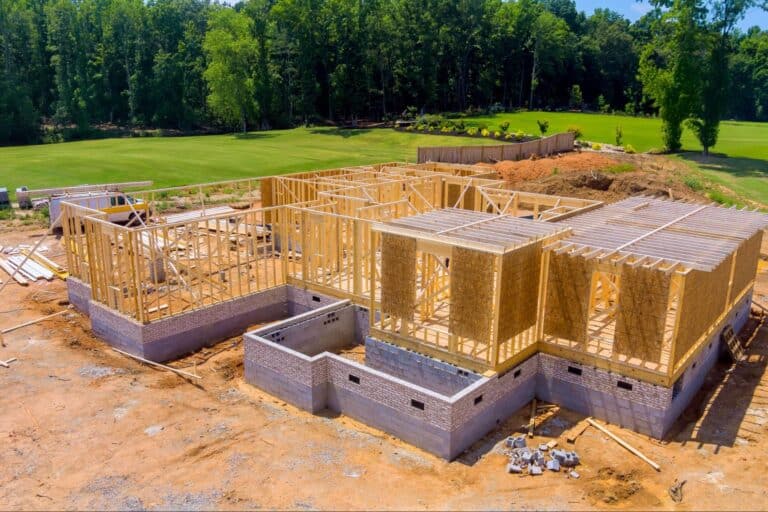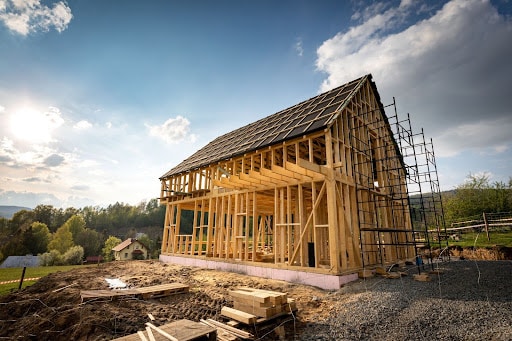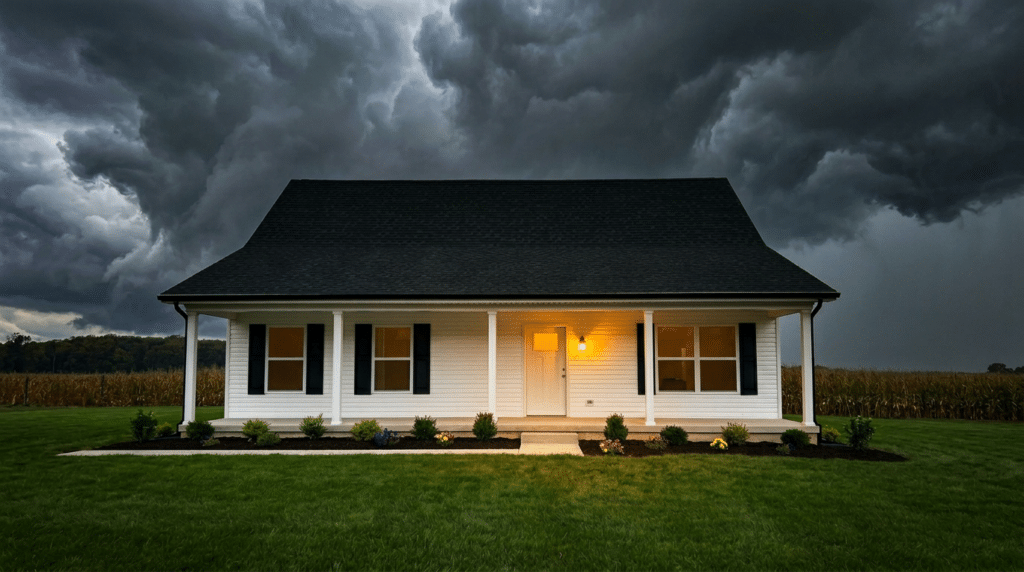
If you’re building a new home in southwestern Indiana and wondering how it will hold up against the region’s severe weather, the answer starts with how the home is built. Storm resistant new construction in Indiana carries real structural advantages over older housing stock — not because of expensive add-ons, but because of the materials and building practices already required under modern code. This post walks through those protections and why they matter in a region that regularly sees tornado watches, golf-ball sized hail, and 60+ mph wind gusts throughout spring and summer.
Key Takeaways
- Indiana recorded 57 tornadoes in 2024 alone, and the Evansville area sits in NOAA Enhanced or Moderate Risk zones multiple times per year — making storm resilience a practical concern for every buyer in this region.
- Homes built to current Indiana building codes must meet wind load, moisture management, and fastening standards that older homes were never required to satisfy.
- Value Built Homes installs GAF roofing systems and Typar House Wrap — materials engineered to shed wind-driven rain and resist weather damage across southwestern Indiana’s active severe weather season.
- Sealing roof deck seams during construction can reduce water intrusion by up to 95% during a storm event compared to a similar failure on an older, unsealed roof, according to IBHS.
- Nearly half of all residential insurance claims nationally involve hail damage, making impact-resistant roofing one of the most practical long-term protections a new home can include.
- Building new doesn’t mean tornado-proof, but it does mean better wind resistance, tighter moisture management, and the option to add a safe room at far lower cost than a retrofit.
Does New Construction Actually Hold Up Better in Storms?
The short answer is yes, and there’s a structural reason for it. New homes are built to current building codes that require higher standards for wind load resistance, moisture management, and structural fastening than codes from 20 or 30 years ago. A house built in the 1970s or 1980s wasn’t required to meet today’s requirements. A house built today is — and it’s been inspected to confirm it.
That difference becomes concrete when straight-line winds roll through or a hail cell drops golf-ball-sized ice in late May. Value Built Homes’ new home construction process follows current Indiana code as a baseline, and the materials used throughout are chosen to exceed it.
If you’re weighing the build-new-versus-buy-existing question, storm resilience is one concrete point in the column for building new.
Wind Is Southwestern Indiana’s Most Common Roofing Threat
Straight-line wind causes far more residential roof damage in southwestern Indiana than tornadoes do — and it happens every spring and summer. NOAA’s Storm Prediction Center regularly places the Evansville region in Enhanced or Moderate Risk categories, with squall-line gusts frequently reaching 60–75+ mph. At those speeds, aging shingles lift, soffits fail, and water follows.
Indiana has recorded more than 1,500 verified tornadoes since 1950, including 57 in 2024 alone. Southern Indiana sits at the convergence of multiple weather systems, which makes spring severe weather season particularly active across the Evansville metro and surrounding counties.
What Makes New Construction More Wind-Resistant?
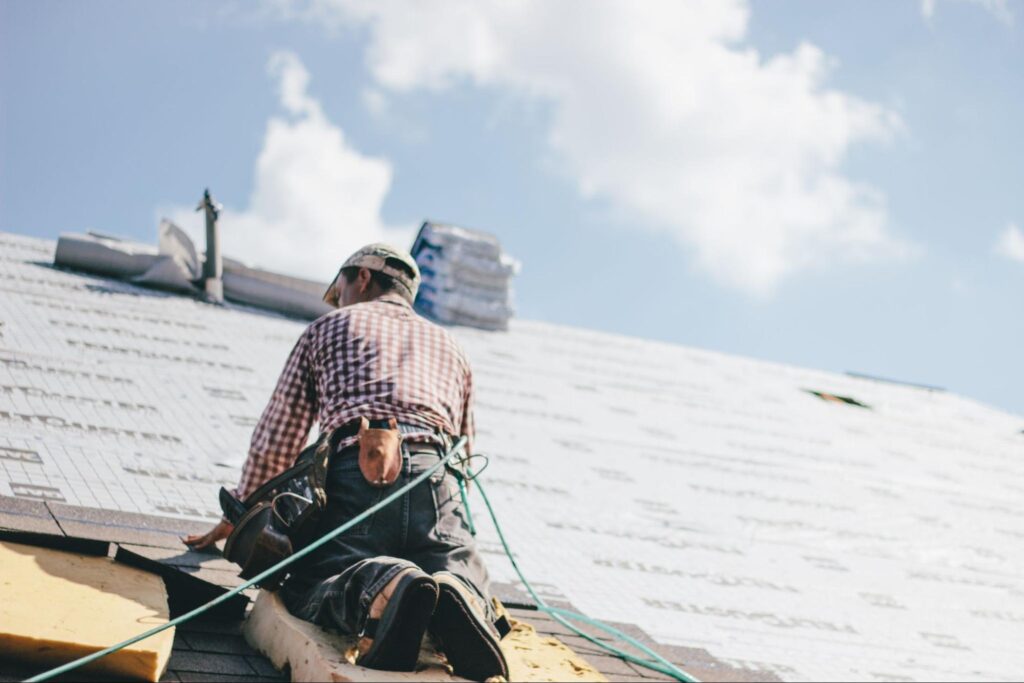
The roofing system is the first and most critical line of defense in a severe weather event. Three things distinguish a modern roof installation from what you’d find on a 30-year-old house:
- Sealed deck connections: Modern installation specifies nail patterns and fastener types that keep the roof deck firmly attached to the framing, reducing the chance of decking separating under high-wind loads.
- Wind-rated shingle systems: Value Built Homes installs GAF shingles as part of a complete GAF roof system. GAF Timberline shingles carry a wind warranty of up to 130 mph when installed with the full accessory system — a standard most older roofs can’t come close to matching.
- Full-system installation: GAF’s system requires proper installation of starter strips, ridge caps, and underlayment together. The system as a whole is what performs, not just the shingle in isolation.
Hail Damage Affects Nearly Half of All Homeowner Insurance Claims
Hail is the most common weather-related insurance event for U.S. homeowners. In 2024, damaging hail affected more than 500,000 homes with a combined reconstruction cost exceeding $160 billion. Nearly half of all residential insurance claims nationally involve hail damage — and southwestern Indiana sees its share of large-cell hail events every year.
What to Look for in Storm-Grade Roofing Materials
The roofing industry uses a UL 2218 classification system to rate shingles for hail impact resistance. Here’s what that means practically:
- Rating range: Shingles run from Class 1 (least resistant) to Class 4 (most resistant). The higher the class, the better the shingle holds up when hailstones strike at speed.
- Insurance implications: Upgrading to Class 4 impact-resistant shingles can qualify homeowners for premium reductions of 10–25%, depending on the insurer and location — a long-term savings that can offset the upgrade cost.
Value Built Homes installs GAF shingles and roofing systems. GAF manufactures both standard and impact-resistant shingle lines. If maximizing storm protection is a priority for your build, it’s worth a direct conversation with the Value Built Homes team about which Timberline product is specified and whether an upgrade to a Class 4 option makes sense for your situation.
Water Is What Causes the Real Damage After a Storm
Wind and hail create the breach. Water is what moves in afterward and causes lasting damage. When a roof cover fails, IBHS research shows the equivalent of roughly nine bathtubs of water can enter a home for every inch of rain that falls — pouring through the exposed gaps between roof deck boards. The result: ceiling damage, saturated insulation, and — if not caught quickly — mold growth that costs far more to remediate than the original roof repair.
How House Wrap and Sealed Construction Work Together
A newly built home manages water at multiple layers, not just the roof. Three elements work together to protect the building envelope:
- Typar House Wrap: Every Value Built Homes home includes Typar House Wrap beneath the exterior cladding. Typar acts as a water-resistive barrier that blocks bulk water driven behind siding during a storm, while still allowing moisture vapor to move out of the wall assembly. In a sustained wind-driven rain event, this layer keeps the wall dry even when the exterior surface is saturated.
- Sealed roof deck construction: IBHS research shows that sealing roof deck seams during construction can reduce water intrusion by up to 95% during a roof cover failure. This protection comes standard in new construction and can’t be easily retrofitted into an older home.
- Foundation and grading: Water management starts at ground level too. How your foundation is built and graded affects moisture management just as much as the roof and walls — proper grading directs water away from the foundation rather than toward it.
How Modern Building Codes Work in Your Favor
Building codes are the invisible floor that every new home sits on. Indiana residential building codes specify requirements across every major system that affects storm performance:
- Wind load resistance: Structural framing and connections must be designed to withstand defined wind speeds for the region.
- Sheathing and fastener schedules: Specific nail patterns and sheathing thickness requirements keep the building envelope intact under load.
- Moisture barrier standards: House wrap and water-resistive barriers are required elements, not optional upgrades.
Every home permitted and inspected under current code has been verified against those standards by a licensed inspector. Older homes were built to whatever codes were in effect at the time — and those codes have strengthened significantly over the past two decades. A home built today carries those improvements automatically. There’s no equivalent guarantee for older housing stock, regardless of how well it’s been maintained.
What That Looks Like for the Buyer
One Value Built Homes buyer put it simply: “Value Built Homes was able to take care of everything. They took care of all the headache items like septic, foundation and water.” When a builder manages the full process and stays current on code requirements, the buyer doesn’t have to.
What New Construction Can (and Can’t) Do Against Tornadoes
It’s worth being direct here. A standard stick-built home — new or old — is not designed to withstand a direct hit from an EF3 or higher tornado. That’s true for virtually every residential home in this region, and any content that implies otherwise isn’t being straight with you.
What new construction does offer is meaningful. Compared to older housing stock, a newly built home delivers:
- Better structural performance in lower-end events: EF0 and EF1 tornadoes account for the majority of tornado touchdowns in Indiana. Modern framing connections and code-compliant construction provide meaningfully better resistance at those wind speeds than older homes.
- A tighter building envelope: Reduced gaps in the structure mean less opportunity for wind-driven debris and rain to penetrate the home during a near-miss event.
- A lower-cost path to a safe room: Incorporating a dedicated safe room during construction costs significantly less than adding one to a finished home. Safe rooms have been shown to increase home resale value by approximately 3.5%, and the average shelter installation runs around $7,643 — less when planned into the build from the start.
If personal shelter capability matters to your family, the conversation needs to happen before the floor plan is finalized. The Value Built Homes team can walk you through what’s feasible for your build and location.
Frequently Asked Questions About Storm-Resistant New Construction in Indiana
Does new construction hold up better in storms than older homes?
Generally, yes. New homes are built to current codes requiring higher standards for wind load resistance, moisture management, and structural fastening than requirements from 20 or 30 years ago. The materials used — modern roofing systems, house wrap, and code-compliant framing — reflect decades of improvement in weather performance that existing homes simply weren’t built to meet.
Is southwestern Indiana really in tornado territory?
Yes. The Indiana Department of Homeland Security documents more than 1,500 tornadoes in the state since 1950, including 57 in 2024 alone. Indiana ranks among the more tornado-active states in the Midwest, and the Evansville area specifically falls within NOAA Storm Prediction Center probability zones multiple times each year.
What is a FORTIFIED roof, and does Value Built Homes build to that standard?
The FORTIFIED program is a voluntary construction standard developed by IBHS that exceeds typical building code requirements. It isn’t required under Indiana building code, and Value Built Homes’ standard construction doesn’t include a formal FORTIFIED designation. That said, several of the practices FORTIFIED recommends — including sealed roof decks and wind-rated shingle systems — are reflected in how GAF roofing systems are installed on new Value Built Homes homes.
Does the 2-10 Home Buyers Warranty cover storm damage?
No. The 2-10 Home Buyers Warranty included with every Value Built Homes home covers structural defects and systems defects — not weather events like wind, hail, or tornado damage. Storm damage is covered by homeowner’s insurance, not the structural warranty. The 2-10 HBW provides long-term peace of mind on the home’s structure; your insurance policy handles the weather.
How do I protect my new home from water damage during heavy rain?
In a new home, the system is already doing the work: Typar House Wrap protects the wall assembly from wind-driven moisture, and a properly installed GAF roof system is your primary barrier from above. The most important maintenance steps after move-in are keeping gutters clear, recaulking windows and doors as needed, and confirming that the grading around your foundation channels water away from — not toward — the home.
Ready to Build a Home That’s Ready for What This Region Delivers?
Building in southwestern Indiana means accepting that severe weather is part of the deal. Building new means your home starts with modern materials, current code compliance, and a roofing and moisture management system designed to handle what this region sends its way.
Value Built Homes builds affordable new homes across southwestern Indiana with transparent pricing and a process designed to take the stress out of building. Browse floor plans to see what’s available, or contact the Value Built Homes team to talk through your options for building in this area.