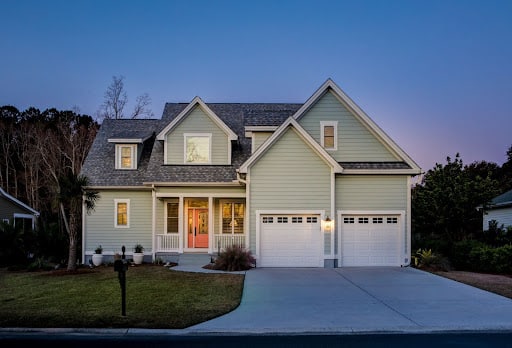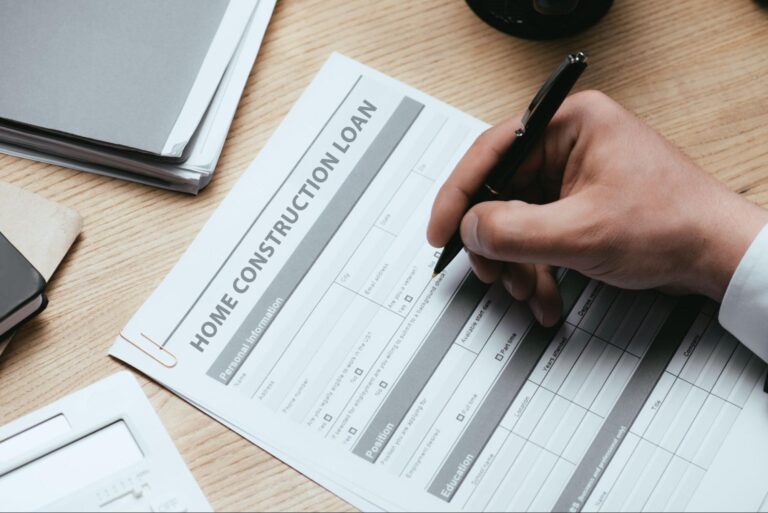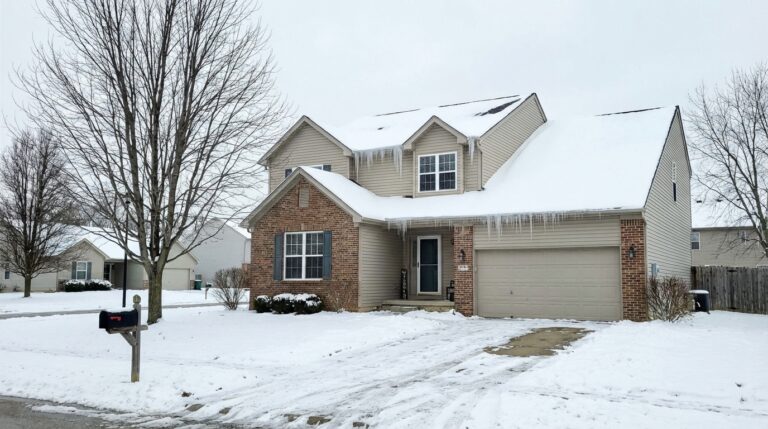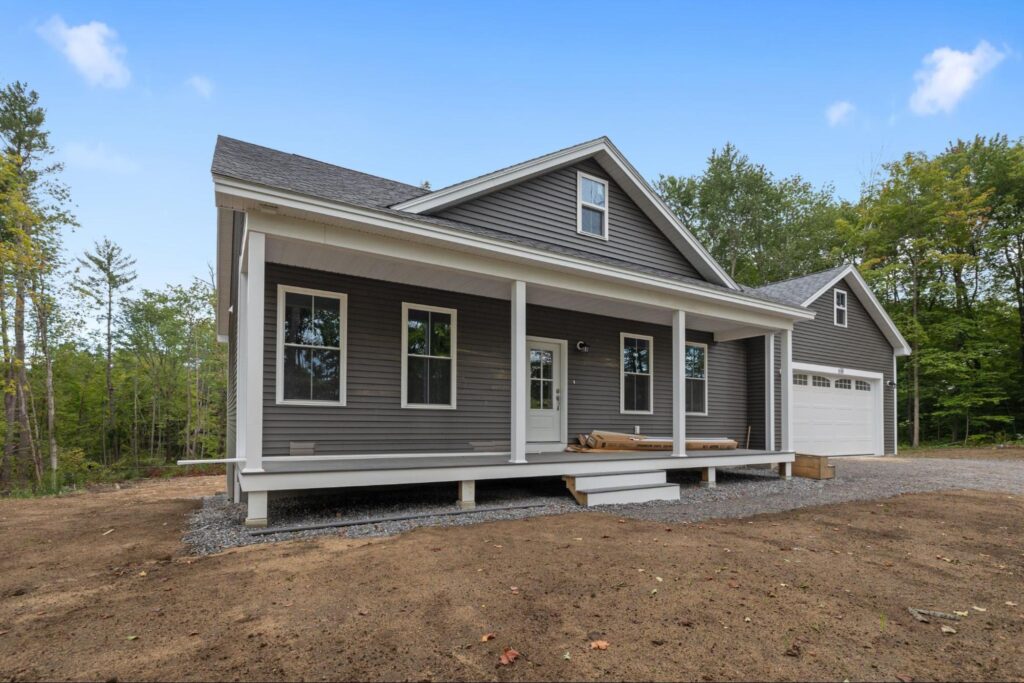
Choosing a home is about more than just comparing sticker prices. Especially for first-time and budget-conscious buyers in Southwest Indiana, focusing solely on the lowest upfront cost might seem appealing—but hidden expenses can quickly add up. Below, we examine the Total Cost of Ownership (TCO) and outline how new construction — particularly homes built by Value Built Homes — can position you for long-term savings. By comparing new construction with resale homes, we reveal why looking at long-term expenses—rather than just purchase price—can lead to more cost-effective homeownership.
Understanding the Total Cost of Ownership
Total Cost of Ownership (TCO) goes beyond the initial purchase. It includes:
- Mortgage Payments and Interest: The regular loan payments you make over time.
- Insurance and Warranties: Standard homeowner’s insurance plus any builder warranties that cover certain repairs.
- Property Taxes: Annual taxes based on your home’s assessed value, subject to change over time.
- Utility Bills: Ongoing energy costs, which can be reduced by building with energy-saving materials.
- Maintenance and Repairs: Funds for routine upkeep as well as unforeseen issues—an important consideration especially when comparing newer homes with older properties.
Considering all these factors provides a clearer picture of your decade-long (or longer) financial commitment. New construction homes typically incorporate design features that help keep some of these costs lower, making them an appealing option for buyers planning to stay long term.
Comparing New Construction and Resale Properties
Imagine two homes in Southwest Indiana, both with similar square footage and in comparable neighborhoods—one is new construction from Value Built Homes, and the other is a 20-year-old resale home.
| Feature | New Construction (Value Built Homes) | Resale Property |
| Listing Price | Slightly higher initially; seller incentives may help reduce closing costs | Lower upfront price, though hidden repair or upgrade expenses may arise |
| Energy Efficiency | Modern features can lower monthly utility bills substantially | Older insulation and systems can lead to higher utility expenses |
| Maintenance | Fewer repairs anticipated early on, especially with warranty coverage | Higher likelihood of repair needs due to aging systems and wear |
| Move-In Readiness | Designed for immediate occupancy with contemporary finishes | May require renovations or adjustments before the home is fully livable |
While the lower price of a resale home might seem tempting at first, older systems and accumulated wear-and-tear often result in higher hidden repair costs. In contrast, new construction offers predictable maintenance and energy savings.
How Costs Change Over Time

The true cost of owning a home unfolds over many years, not just at closing. By looking at how expenses shift from move-in through year 10 and beyond, you can better compare new construction and resale homes and choose the option that fits your long-term budget.
Year 0–1: Upfront Costs and Initial Investment
Purchase and Closing Costs
New construction may carry a slightly higher sticker price. However, many builders – including Value Built Homes – offer incentives such as reduced closing costs or special construction financing, which help balance out these initial expenses. When you combine this with the potential for lower renovation costs, the difference in purchase price can become more manageable over time.
Immediate Move-In Benefits
Because new homes are built in compliance with current standards and regulations, they typically require minimal post-move-in adjustments. In many cases, the costs associated with minor tweaks are considerably less than the urgent fixes often needed in older properties.
Years 1–10: Managing Long-Term Expenses
Reduced Maintenance and Repair Costs
As a home ages, significant repairs become more common — from roof replacements to HVAC upgrades. With new construction backed by builder warranties, such major expenses can be deferred or even avoided in the first decade, contributing to overall cost savings.
Lower Utility Bills Through Enhanced Energy Efficiency
Thanks to features such as robust insulation, high-efficiency windows, and modern HVAC systems, new homes often achieve lower monthly energy bills. Even modest savings on utilities can accumulate to substantial amounts over a 10-year period, effectively lowering the overall TCO.
10+ Years Later: Growing Equity and Enhancing Resale Value
Steady Equity Growth
Contemporary construction methods combined with quality, energy-efficient materials can support resilience over time. Although market factors such as location and economic conditions ultimately influence appreciation, homes designed with modern techniques and efficient systems can maintain a strong resale appeal.
Strong Resale Appeal
New construction homes often incorporate modern design and features that resonate with current buyer desires. This appeal can help secure a faster sale at a more attractive price when it’s time to move on. Additionally, buyers are often willing to pay a premium for homes with updated systems, lower projected repair costs, and strong energy efficiency—features more common in newer builds than in older resale properties. For budget-conscious buyers in markets like Southwest Indiana, the promise of fewer surprises and lower monthly operating costs can make a well-maintained newer home stand out even more in a competitive listing pool.
Key Advantages of New Construction Homes
New construction offers several benefits that can help reduce the total cost of homeownership over time.
Energy Efficiency, Smart Technology & Lower Utility Bills
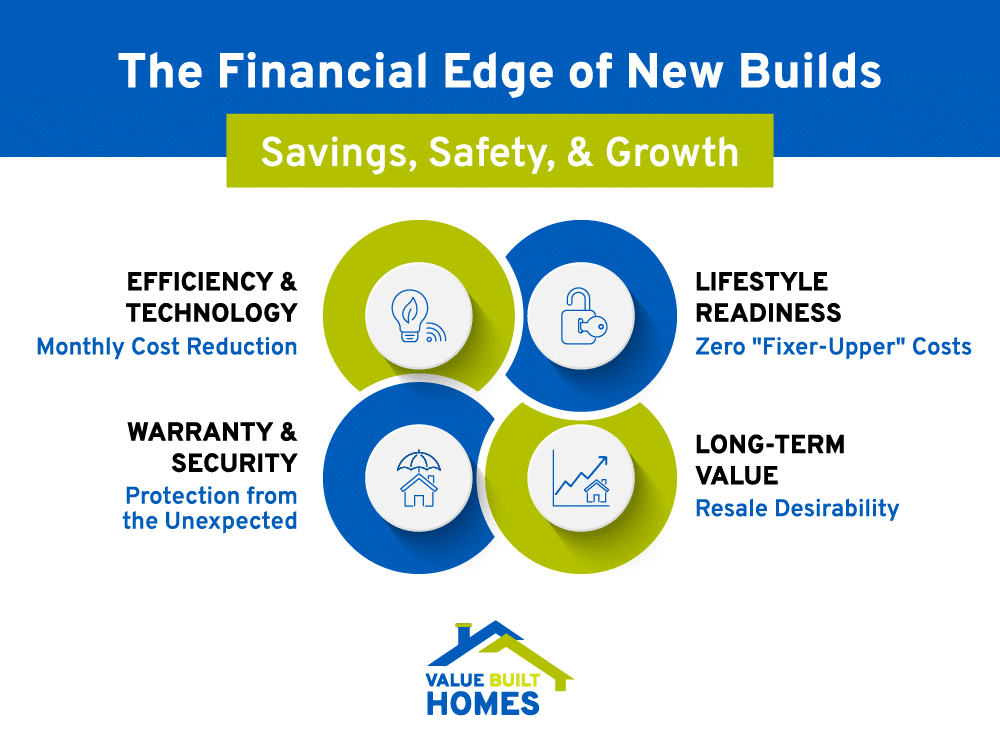
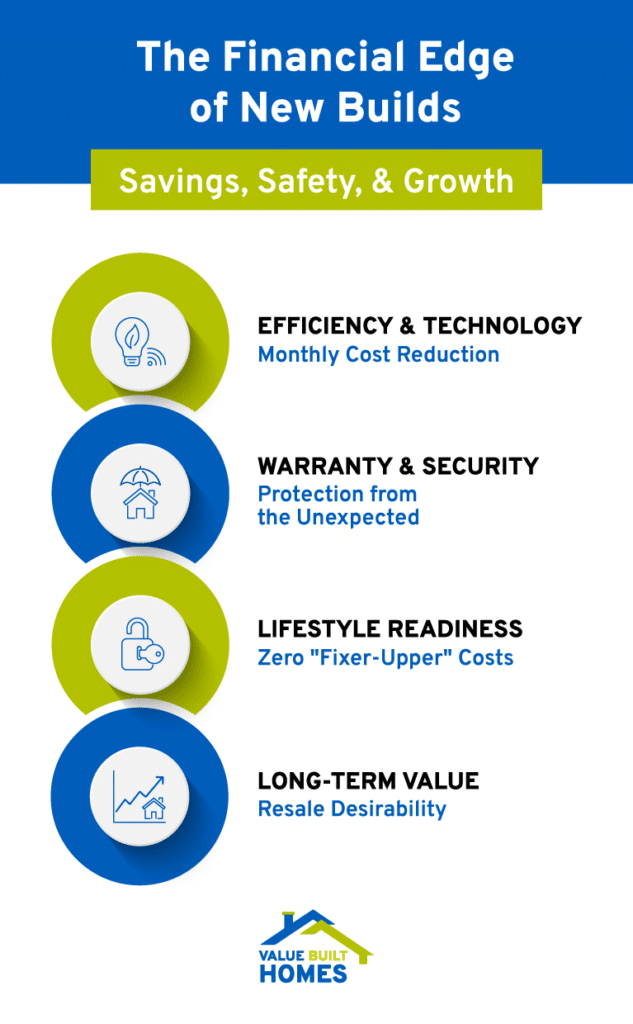
Many new homes use advanced insulation, high-efficiency windows, and up-to-date HVAC systems that follow Energy Star guidelines. These features can reduce monthly utility bills significantly compared to older homes that may require costly energy upgrades. In addition, many new construction homes integrate smart systems—such as programmable thermostats, automated climate control, and connected lighting—that make it easier to monitor and fine-tune energy use. Together, modern building materials and smart home technology can deliver long-term savings on utilities and even reduce wear and tear on major systems, helping lower the total cost of ownership.
Warranty Protection & Reduced Risk
With new builds, you often receive warranties on structural components and major systems. This coverage helps offset unexpected expenses that might pop up in the first few years. For example, many new homes require only minor adjustments after move-in — often in the range of what might be considered low thousands — whereas older properties can sometimes necessitate more extensive and costly urgent repairs.
Move-In Readiness and Customization
New homes are typically move-in ready, featuring modern designs, fresh finishes, and updated safety features. While no home is entirely exempt from the possibility of emerging issues, the quality standards in new construction generally minimize the likelihood of immediate major repairs. This built-in convenience can help keep stress and costs lower shortly after closing.
Equity Growth & Value Retention
Homes built with current construction methods and contemporary materials tend to maintain appeal over time. Updated construction features — including energy-efficient elements — can boost a home’s desirability in the resale market. While property appreciation ultimately depends on location and broader market conditions, the modern standards inherent in new construction can support steady equity growth.
Community & Market Factors That Affect Total Cost of Ownership
Community Development and Infrastructure
Many new construction projects are part of broader community development initiatives that improve local roads, schools, and public amenities. Such improvements not only enhance quality of life but can also have a favorable impact on long-term property values. You can explore local infrastructure and housing trends through resources like the Indiana Housing & Community Development Authority or regional planning agencies.
Market Trends and Stability
While modern design and construction methods help preserve a home’s appeal, broader market factors—including job growth, interest rate changes, and economic fluctuations—also play significant roles. Buyers planning to stay in their home for a decade or more may find that new construction offers a buffer against certain market uncertainties due to its lower maintenance and operational costs.
How Value Built Homes Lowers Your Total Cost of Ownership
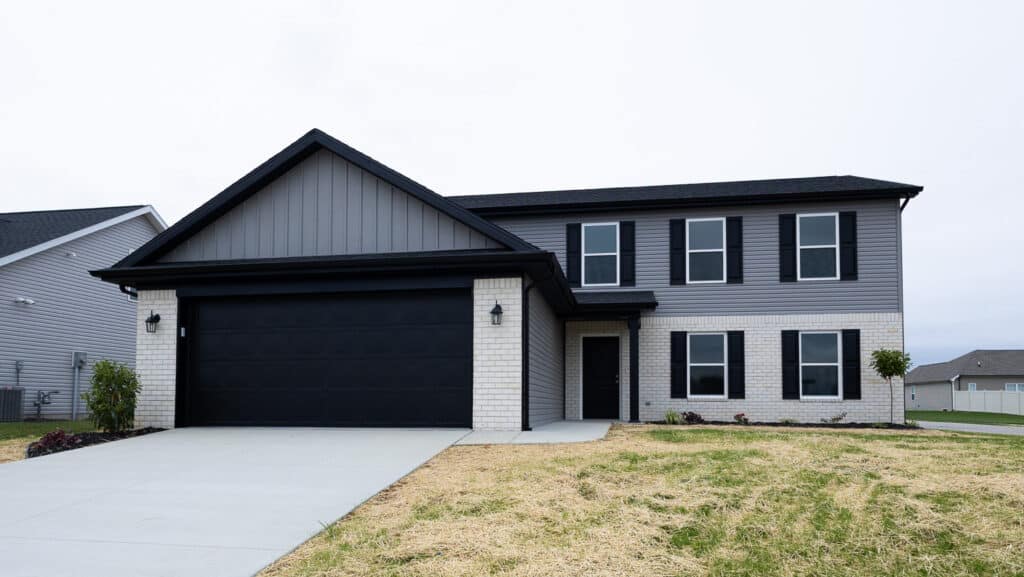
Value Built Homes is an Indiana home builder that delivers affordable, high-quality site built homes. They simplify the home buying and building process by offering:
Simplified Floor Plans
Their streamlined floor plans reduce labor and material costs, ensuring functional design while minimizing the potential for costly errors or unexpected repairs.
Energy-Efficient Construction
Leveraging energy-efficient construction practices and incorporating high-quality insulation, efficient windows, and modern HVAC systems, Value Built Homes aims to reduce energy costs and enhance the performance of your home.
Comprehensive Warranty Coverage
With warranties covering major systems and structural elements, new construction from Value Built Homes offers peace of mind by protecting you from steep repair expenses during the early years of homeownership.
How to Run Your Own 10-Year Cost Comparison
Here’s a simplified method to calculate your TCO for both new construction and resale homes:
- List upfront costs, such as down payment, closing fees, and any immediate repairs.
- Estimate annual expenses like homeowner’s insurance, property taxes, and utilities based on local data.
- Factor in the likelihood of repairs—older homes might require significant investments such as a new roof or major system updates.
- Estimate potential energy savings using the modern energy features of a new home.
- Project equity growth by considering neighborhood developments and local economic conditions.
- Compare totals over a 10-year span to determine which option delivers the best overall value.
Even without factoring in all utility or maintenance savings, the advantages of new construction — such as reduced repair needs and predictable energy costs — can lead to significant benefits over time.
FAQs: Building vs. Buying a Home in Southwest Indiana
Is it cheaper to build or buy a home in Southwest Indiana?
It depends on more than just the purchase price. While some resale homes may list for less upfront, new construction can lower your total cost of ownership through reduced repairs, better energy efficiency, and builder incentives. Many Value Built Homes buyers save 20–30% compared to building new homes elsewhere once all costs are factored in.
How does new construction affect my long-term maintenance costs?
New homes are built with modern materials and updated systems, which typically means fewer major repairs in the first 10+ years. With builder warranties in place, you’re also protected from many unexpected expenses that can quickly add up in older resale properties.
Will I really save money on utilities with a new home?
Yes, in many cases. Features like high-quality insulation, efficient windows, and modern HVAC systems can significantly reduce monthly energy bills compared to older homes in Southwest Indiana. Over a decade, even modest monthly savings can noticeably lower your total cost of ownership.
How long does it usually take to build a new home with Value Built Homes?
Because Value Built Homes uses simplified, standardized floor plans and a streamlined process, build times are often shorter than traditional custom construction. This can reduce the time you’re paying both rent and construction-related expenses while you wait to move in.
What is a site-built home, and how is it different from a manufactured home?
A site-built home is constructed directly on your lot using traditional building methods and materials, just like most stick-built homes. Manufactured homes are built in a factory and transported to the site. Site-built homes typically offer greater long-term durability, financing flexibility, and resale appeal.
What kind of warranties come with a new home from Value Built Homes?
Value Built Homes offers warranties on major systems and structural components, helping protect you from steep repair bills in the early years of ownership. This added protection not only provides peace of mind but also makes your long-term costs more predictable.
Plan for the Future with Confidence
When you look beyond the initial purchase price, the financial advantages of new construction become clear. Though resale homes may appear less expensive at first glance, hidden repair costs, higher utility bills, and outdated systems can erode those savings quickly. In contrast, new construction properties — with their modern energy-efficient features and reduced maintenance needs — offer a compelling value proposition for long-term homeownership.
Evaluate the Total Cost of Ownership over a decade or more, and you’ll appreciate how Value Built Homes helps you achieve sustainable savings. If you’re ready to invest in a home that combines today’s affordability with tomorrow’s benefits, contact Value Built Homes today. Your journey toward a stress-free and cost-effective home buying experience starts here.