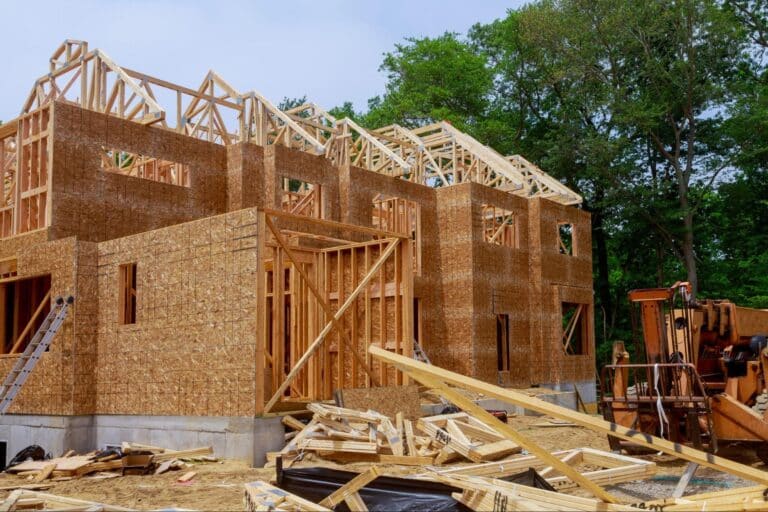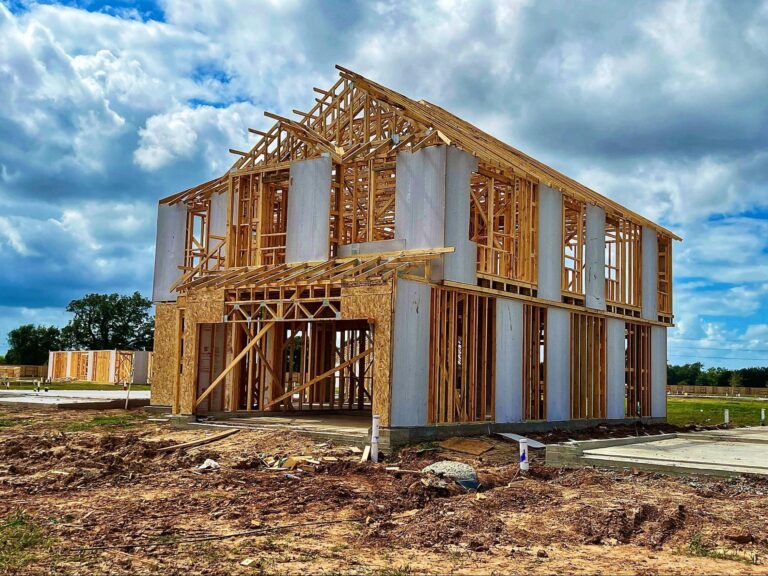
Owning a new home from Value Built Homes means you benefit from modern materials, smart design, and energy-efficient systems—but even the best-built homes need regular care to stay that way. Seasonal maintenance is a simple, low-cost way to protect your investment, prevent avoidable repairs, and keep your utility bills in check.
This guide breaks down the key tasks to tackle each spring, summer, fall, and winter in Indiana, so you can stay ahead of weather-related wear and tear. Use these checklists to keep your new home running efficiently, protect your warranties, and enjoy a comfortable, low-stress home in every season.
Why Seasonal Maintenance Matters for Your New Indiana Home
Your new home is built with modern materials and energy-efficient systems, but those advantages only last if you care for them. Seasonal maintenance is how you protect that investment and keep everything working the way it was designed.
Indiana’s weather swings—from humid summers to freezing, snowy winters—put extra stress on roofs, HVAC systems, plumbing, and exterior finishes. By taking a proactive, season-by-season approach, you catch small issues early instead of paying for major repairs later.
Consistent maintenance also supports your home’s efficiency. Simple tasks like changing filters, flushing your water heater, and sealing air leaks help systems run smoothly, lower utility bills, and extend the life of costly components.
Finally, many manufacturer and builder warranties require proof of regular upkeep. Staying on top of recommended maintenance helps you preserve coverage and the peace of mind that comes with it. With a clear checklist for each season, you can protect your home’s value, comfort, and warranty benefits year after year.
Spring Checklist: Get Your Home Ready for the Warmer Months
As winter fades and temperatures rise, spring is the perfect time to refresh your home and prepare it for the upcoming season. Even in a newly constructed property, taking these steps ensures that systems remain efficient and small issues don’t escalate into costly repairs.
Inspect and Service HVAC Systems
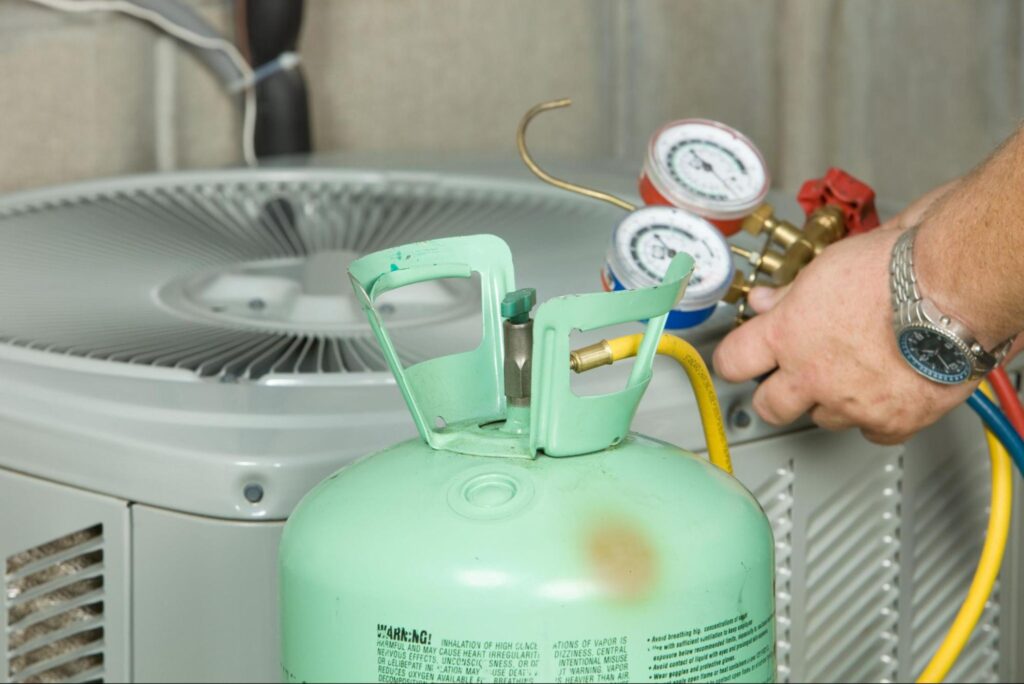
Spring is the ideal time to transition your cooling equipment. Schedule a professional inspection or tune-up to ensure your air conditioning is ready. A technician will clean components, replace worn parts, and address any issues before peak summer usage. Regular filter changes and annual tune-ups help your system run efficiently, improve indoor air quality, and help avoid costly breakdowns. Even a new home’s filters can accumulate dust, impeding airflow and raising energy costs.
Clean Gutters and Downspouts
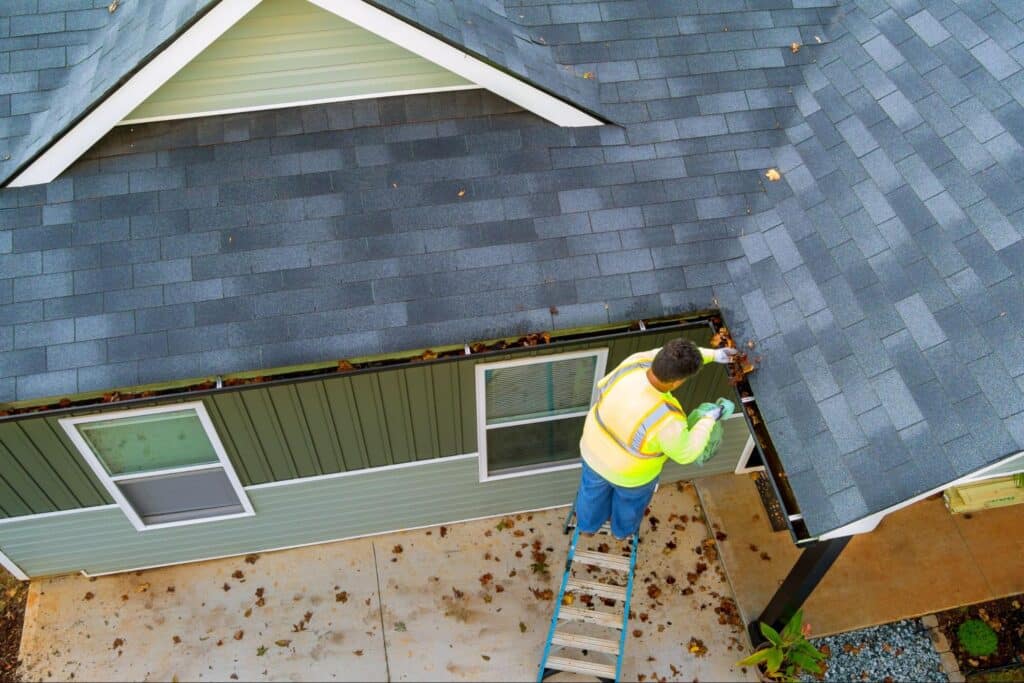
Winter weather often leaves behind debris in gutters. These clogs can lead to water damage, roof leaks, or foundation issues. Remove all obstructions, then check gutter seams for cracks or weaknesses. Proper drainage protects your home from heavy spring rains.
Check Windows, Doors, and Weatherstripping
Inspect seals around windows and doors, as winter’s temperature swings can wear down caulking. Identify any gaps, peeling seals, or areas needing reinforcement. Updating weatherstripping ensures your newly constructed home continues to deliver energy savings. Confirm that windows and doors open smoothly and lock securely to maintain security and efficiency.
Inspect Roof and Exterior for Winter Damage
Use binoculars to scan for damaged shingles, cracks, or discoloration that may indicate leaks. Examine siding, brickwork, or stucco for cracks or peeling. Small issues can grow over time, especially with spring rain and summer heat around the corner. Prompt repairs keep your home looking its best.
Refresh Lawn, Landscaping, and Irrigation Systems
Clear dead plants, branches, and winter debris to foster healthy new growth. Reseed patchy grass and fertilize as needed. If you have an irrigation system, test it to ensure sprinklers aren’t leaking or wasting water. Also monitor your yard for pests.
Not only does proactive care keep everything running smoothly, but it also supports the energy-efficient design of your property.
Summer Checklist: Maximize Efficiency During Peak Heat
As summer temperatures climb, so can your energy costs—unless you prepare. Even a newly built home benefits from small adjustments and routine maintenance to help keep it cool, comfortable, and budget-friendly.
Seal Air Leaks and Assess Insulation
Summer is an excellent time to check for air leaks around windows and doors, which can force your cooling system to work harder. Reseal any cracks and verify insulation levels. For guidelines, consult the U.S. Department of Energy’s insulation advice. Proper insulation helps your home stay cooler by slowing heat transfer.
Maintain Air Filters and Optimize Fans
Your cooling equipment works hardest in summer. Keep it efficient by replacing or cleaning filters monthly. Dirty filters can hamper airflow and raise energy bills. Ceiling fans offer a cost-effective boost to air circulation. Set fans to rotate counterclockwise to create a cooling downward breeze. Using fans and air conditioning together allows you to raise the thermostat a few degrees without sacrificing comfort.
Inspect and Clean Exterior Vents
Blocked exterior vents can lead to higher indoor humidity and decreased system performance. Check dryer, exhaust, and attic vents for debris, and clean them thoroughly. Clear vents aid ventilation and help appliances function properly.
Adjust Thermostat Settings for Energy Savings
Take advantage of programmable or smart thermostats. Program the thermostat to increase temperatures while you’re away or asleep, and lower them when you’re active at home. Even small adjustments matter—according to the U.S. Department of Energy, each degree can lead to meaningful savings on your cooling costs. Familiarize yourself with any advanced features on a newly installed thermostat to reap maximum efficiency.
Care for Outdoor Equipment
Summer often means more outdoor activity. Clean and inspect lawn tools such as mowers and trimmers to keep them safe and efficient. Inspect patio furniture and grills, repairing winter or spring weather damage. Staying on top of upkeep extends their lifespan and keeps outside spaces enjoyable.
Check Outdoor Plumbing and Irrigation Systems
Inspect hoses, faucets, and sprinklers for leaks or damage. Even a small drip can quickly waste water and inflate bills. Make sure sprinkler systems properly cover lawn areas without pooling.
By completing these tasks, you’ll minimize energy costs, stay comfortable, and avoid added strain on essential home systems during the hottest months.
Fall Checklist: Prepare Your Home Before the Cold Sets In
As cooler air arrives, it’s time to ready your home for dropping temperatures. Fall is perfect for tackling maintenance that keeps you warm, protects your property, and avoids pricey surprises when winter hits.
Service Your Heating System
Before it gets too cold, schedule a professional heating system or furnace tune-up. A technician will inspect burners, gas lines, and electrical connections to prevent breakdowns. Replacing filters regularly is critical here, too. A well-maintained system operates efficiently and reduces the risk of mid-winter malfunctions.
Inspect the Fireplace and Chimney
If you have a wood-burning fireplace, hire a professional to clean out creosote buildup and check for blockages. For gas fireplaces, ensure pilot lights and gas lines are in safe working order. Proper maintenance guarantees cozy but safe evenings by the fire.
Seal Windows and Doors
Re-check weatherstripping and caulking around windows and doors to catch new drafts before winter. This prevents your furnace from overworking to compensate for leaks, trimming energy bills and boosting comfort.
Flush the Water Heater
Sediment builds up in water heaters over time, reducing efficiency. Fall is an excellent season to flush the tank. Follow EPA guidance on water heater maintenance or hire a professional. This step prolongs the unit’s lifespan and ensures your household has dependable hot water all winter.
Prepare Your Lawn and Garden
Fertilize with a fall-specific mixture to strengthen grass roots before winter. Rake leaves and remove dead vegetation to avoid pest nesting near your home. Drain and winterize irrigation systems to prevent freezing damage. Trim overgrown shrubbery to keep branches from contacting your home in high winds.
Test Smoke and Carbon Monoxide Detectors
With heating systems running more frequently, the risk of fire or carbon monoxide exposure increases. Verify all detectors and alarms are functioning properly. Replace batteries or devices as recommended. Refer to the Centers for Disease Control and Prevention for carbon monoxide safety details, ensuring your family is protected as temperatures drop.
Inspect Roof and Clean Gutters
Falling leaves can clog gutters, leading to water backup and ice dams. After the last leaves fall, clean gutters and downspouts thoroughly. Inspect them for sagging or damage. While you’re at it, scan your roof for missing shingles or cracks. Addressing these issues now helps avoid leaks and structural problems in winter storms.
Winter Checklist: Keep Your Home Safe During Freezing Temps
Indiana winters can bring freezing temperatures, ice, and heavy snowfall. Protecting your home in the coldest months keeps it comfortable, safe, and energy-efficient.
Watch for Ice Dams and Snow Accumulation
Melting snow can refreeze at roof edges, forming ice dams. These block proper drainage and can lead to leaks. Regularly check roof edges after storms to clear excessive ice. For trusted methods, see tips on preventing ice dams from the University of Minnesota Extension. A roof rake or professional service can help remove ice without damaging shingles.
Insulate and Shield Pipes from Freezing
Frozen pipes may burst and create costly damage. Insulate exposed pipes in garages, attics, and basements using foam sleeves or wraps. When extreme cold strikes, keep a trickle of water flowing to reduce the chance of freezing.
Seal Drafts and Check for Gaps
Do a quick final draft check at windows, doors, and baseboards—even small gaps can drive up heating costs. Use caulking, foam sealant, or weatherstripping to keep warm air in and cold air out, which can lower heating costs.
Clear Vents and Exhausts of Snow
After snowstorms, clear any buildup around furnace intakes, dryer vents, or other exhaust openings. Blocked vents can cause carbon monoxide issues or reduce system efficiency. Keeping these areas free of ice and snow ensures proper ventilation and safeguards your family.
Review Energy Bills for Unusual Spikes
Heating systems naturally drive costs higher in winter. However, an uncharacteristic spike could signal an air leak or mechanical issue. Compare your bills against previous ones or nearby averages. Investigating early can prevent larger expenses and maintain your home’s overall efficiency. To see how your home’s energy use compares over time, you can use Energy Star’s Home Energy Yardstick tool.
By staying proactive, you help your home weather even the harshest conditions without compromising comfort or safety.
Quick Reference: Why Consistent Maintenance Matters
Use this quick list as a reminder of what regular seasonal upkeep does for your home:
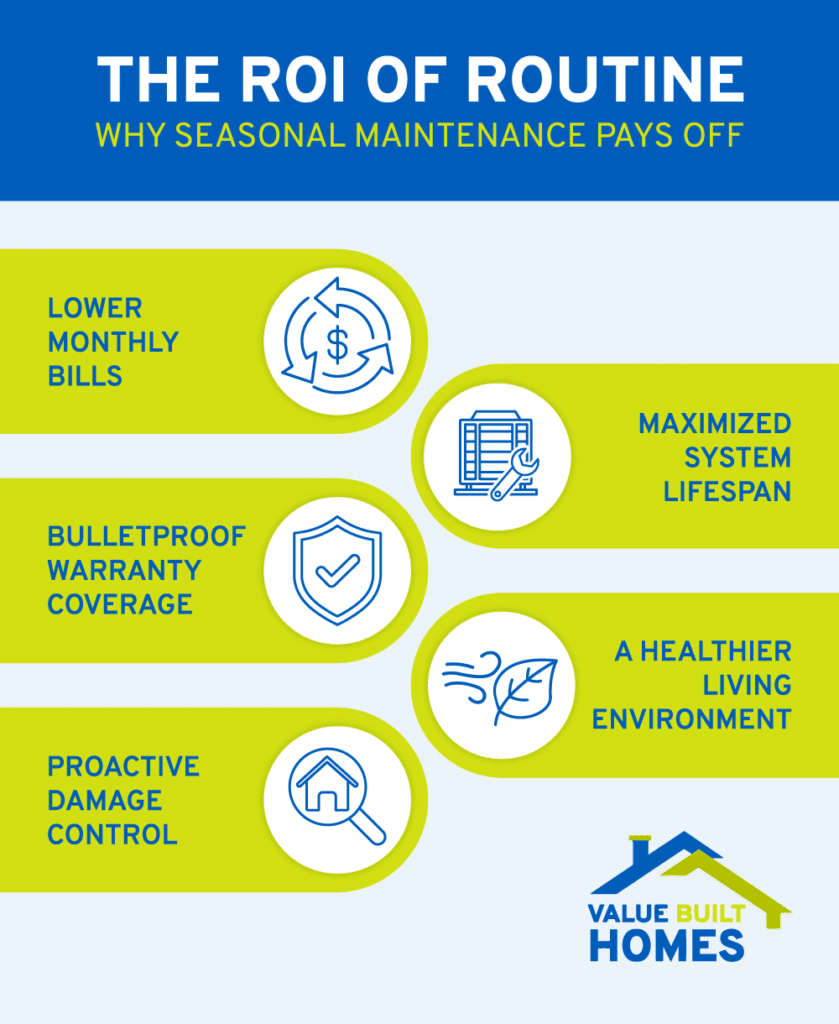
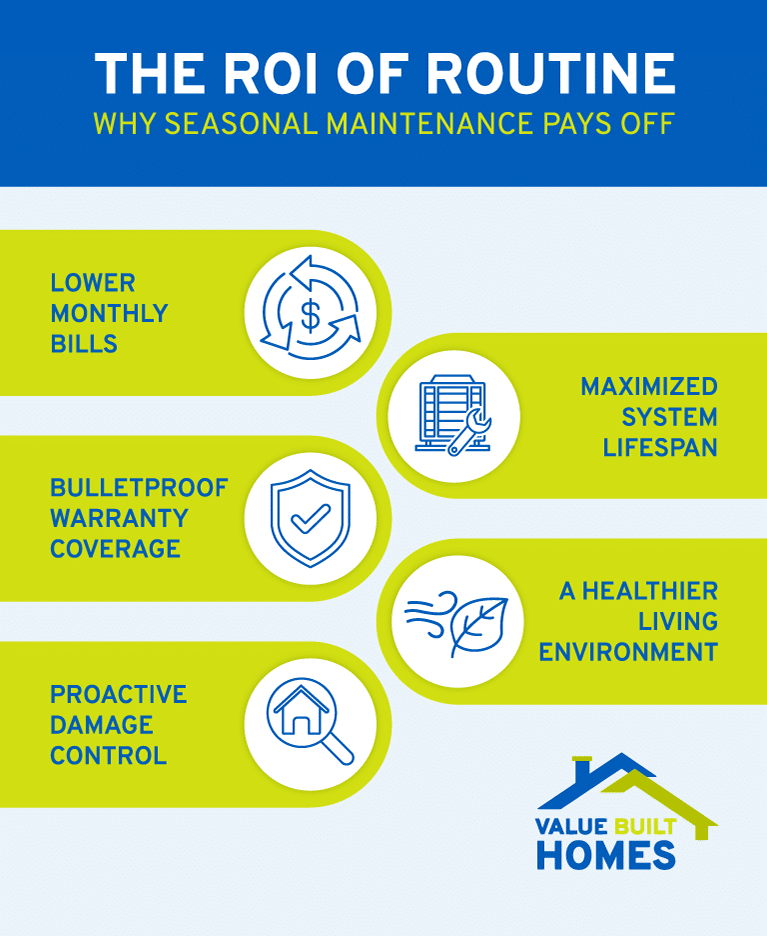
Keeps utility costs down: Clean filters, sealed air leaks, and maintained equipment help heating, cooling, and appliances use less energy.
- Extends the life of major systems: Routine tune-ups and simple tasks (like flushing the water heater) reduce wear and tear on HVAC units, water heaters, and more.
- Helps protect your warranties: Many builder and manufacturer warranties require proof of regular maintenance. Following a seasonal checklist supports your coverage.
- Improves comfort and air quality: Well-sealed windows and doors, clean vents, and controlled moisture levels make your home more comfortable and healthier to live in.
- Prevents small issues from becoming big repairs: Seasonal checks help you spot leaks, drafts, and damage early—before they turn into expensive problems.
Keep this list handy as you work through the seasonal checklists so you can see the long-term benefits of a few hours of maintenance each year.
FAQ: Seasonal Maintenance for New Indiana Homes
How soon after moving in should I start seasonal maintenance on my new home?
Start right away. Even though your home and systems are new, weather and normal use can affect performance, and following a seasonal checklist from your first year helps keep everything efficient and supports your warranty.
Do new construction homes really need as much maintenance as older homes?
New homes usually need fewer repairs, but they still require regular upkeep. Simple tasks like changing filters, cleaning gutters, and checking caulking are just as important in a new home to preserve that “like-new” performance.
What seasonal tasks are most important for protecting my home’s warranty?
Commonly important tasks include having your HVAC system serviced as recommended, changing air filters regularly, and addressing leaks or moisture issues promptly. Always refer to your specific builder and manufacturer warranty documents for exact requirements.
Which maintenance tasks can I do myself, and when should I call a professional?
Homeowners can usually handle tasks like changing filters, checking weatherstripping, and testing smoke and carbon monoxide detectors. Call a licensed professional for HVAC tune-ups, electrical work, gas or fireplace service, roof repairs, and major plumbing issues.
How often should I service my HVAC system in Indiana?
Most homeowners should schedule professional HVAC service at least once a year, and many choose twice a year—spring for cooling and fall for heating. Filters should generally be changed every 1–3 months, depending on your system and household needs.
What if I miss a season—can I catch up later?
Yes. Focus first on safety and protection tasks like HVAC filters, leaks, gutters, and detectors, then resume the regular seasonal schedule so you stay consistent going forward.
Build a Simple Routine for Year-Round Peace of Mind
Seasonal maintenance doesn’t have to be overwhelming. By tackling a short list of tasks each spring, summer, fall, and winter, you can keep your home efficient, comfortable, and protected from avoidable repairs. Set a reminder at the start of each season, work through the checklist one area at a time, and keep brief notes on what you’ve done.
If you’re unsure which tasks apply to your specific home or how they relate to your warranty, contact the Value Built Homes team for homeowner resources and guidance. A little consistency now goes a long way toward keeping your new home performing like new for years to come.