Selecting the right floor plan goes beyond deciding where walls go—it’s about creating a home that suits your daily routines. Your home’s layout influences how you entertain, manage noise, maintain privacy, and control clutter. Choosing between open, traditional, or hybrid floor plans is a pivotal decision that can enhance functionality and comfort. Whether you seek a space for vibrant family gatherings, a quiet home office, or flexible living areas, this article will help you understand your layout options and guide you toward a design that fits seamlessly into your life.
What Are Open, Traditional, and Hybrid Floor Plans?
Floor plans generally fall into three categories:
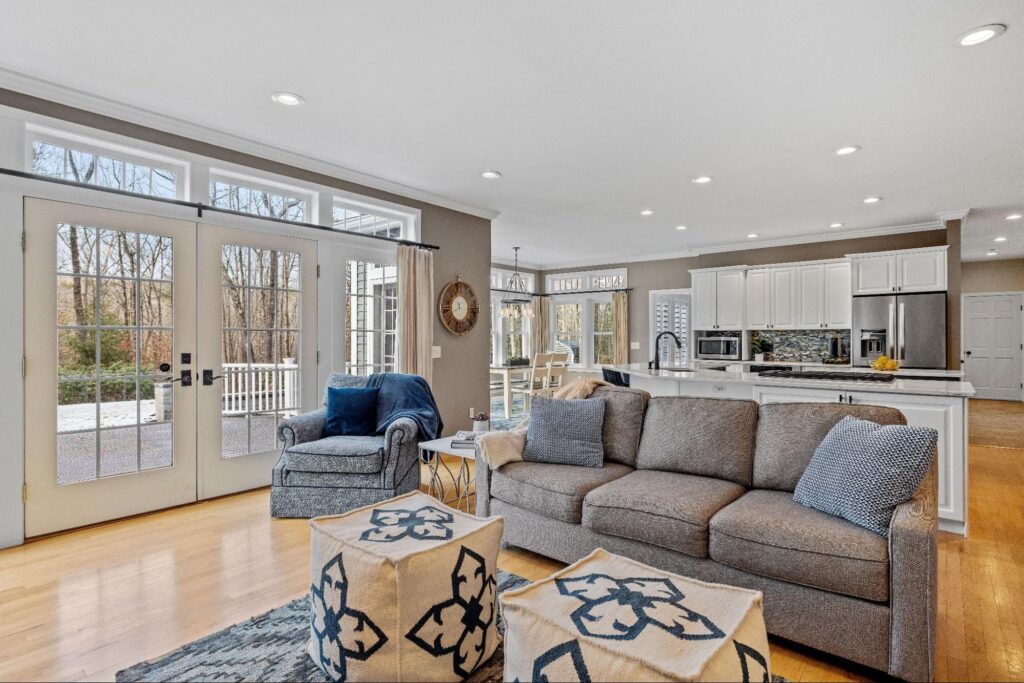
- Open-Concept Layouts: Remove most interior barriers, merging spaces like the kitchen, dining, and living areas into one continuous zone. This creates a bright, spacious feel and encourages social interaction.
- Traditional Layouts: Feature distinct rooms separated by walls. Each space is designated for a specific function—kitchens, living rooms, and dining areas remain separate.
- Hybrid Layouts: Combine elements of both open and traditional designs. They use partial walls or flexible dividers to create zones while still maintaining a visual connection between areas.
Open-Concept Layouts: Pros, Cons, and Lifestyle Alignment
Open-concept designs emphasize connected, spacious environments that are ideal for entertaining and family interaction.
Advantages
- Spaciousness and Natural Light: Eliminating walls allows light to fill the space, making a home feel larger and more inviting.
- Enhanced Sociability: The fluid transition between areas means that the cook, family members, or guests can interact easily.
- Flexible Design: Fewer partitions create opportunities to experiment with furniture arrangements and multi-functional uses.
Considerations
- Noise and Privacy: With all areas connected, sound travels freely, which may be challenging for households that need quiet spaces.
- Clutter Visibility: In a fully open space, everyday mess is visible. Maintaining organization can require extra effort.
- Energy Efficiency: Heating or cooling a large open area might be less efficient compared to smaller, controlled spaces.
Open layouts fit best for those who love entertaining, enjoy a bright and interconnected ambiance, and do not mind the occasional exposure of everyday clutter.
Traditional Layouts: Advantages and When They Work Best
Traditional floor plans provide clearly defined spaces, offering a structured environment with distinct areas for different activities.
Advantages
- Enhanced Privacy: Separate rooms ensure quiet zones for work, relaxation, and sleep.
- Better Noise Control: Walls help contain sound, making it easier to maintain a calm atmosphere.
- Organized Functionality: Designated rooms, such as a closed kitchen or dining area, simplify cleaning and organization.
Considerations
- Limited Natural Light: Enclosed spaces can restrict light flow unless carefully planned with windows.
- Rigid Interaction: Separate rooms can sometimes impede the fluidity of social interactions during gatherings.
- Less Flexibility: Traditional designs are less adaptable to changing needs compared to more open or hybrid layouts.
This layout is ideal for homebuyers who prioritize privacy and structure, such as those working from home or households with distinct daily routines.
Hybrid Layouts: The Best of Both Worlds
Hybrid floor plans merge the openness of modern design with the privacy of traditional layouts, offering a versatile environment that can be easily adapted.
Key Features
- Zoned Openness: Partial walls or low dividers help define separate areas while keeping spaces visually connected.
- Flexible Dividers: Options like sliding or pocket doors can convert communal spaces into more private areas when needed.
- Multi-Functional Rooms: A hybrid design allows rooms to serve dual purposes, such as a den that can act as both a play area and a home office.
Benefits
- Balanced Living: Hybrid layouts create a harmonious blend, providing ample space for socializing while still offering areas for privacy.
- Adaptability: They easily adjust to an evolving lifestyle, making them suitable for families, remote workers, or those who value flexibility.
- Organizational Efficiency: With strategic planning, features like built-in storage or designated buffer zones help maintain order without sacrificing the open feel.
How Layouts Influence Your Daily Life: Key Factors to Evaluate
Your floor plan choice affects how your home functions on a day-to-day basis.
Noise and Privacy
- Work and Study: If quiet and focus are essential, traditional or hybrid layouts with dedicated private spaces might be better.
- Family Dynamics: An open layout can enhance supervision and interaction but may be less suitable for households with high noise levels.
Clutter and Organization
- Visibility of Clutter: Open-concept designs expose every part of your home to view, so regular organization is key.
- Built-In Storage: Traditional or hybrid plans often integrate storage solutions like closets and mudrooms, helping to keep living spaces tidy.
Cooking and Kitchen Dynamics
- Managing Kitchen Traffic: Closed or semi-open kitchens can help contain cooking messes and odors, while open layouts promote interaction during meal preparation.
- Functional Meal Prep: The proximity of dining to the kitchen matters; ensure the layout supports the flow you desire.
Hosting and Socializing
- Flow and Space: Consider whether the layout encourages smooth movement and mingling during gatherings.
- Guest Privacy: If you often host overnight guests, traditional or hybrid plans might provide more comfortable sleeping areas.
Pets and Traffic Flow
- Pet Management: Traditional layouts allow easier control of pet access through closed doors and designated areas.
- Ease of Movement: Wide, open corridors in open or hybrid designs can help manage busy household traffic and prevent bottlenecks.
Lifestyle Fit Scorecard: Discover Your Ideal Layout
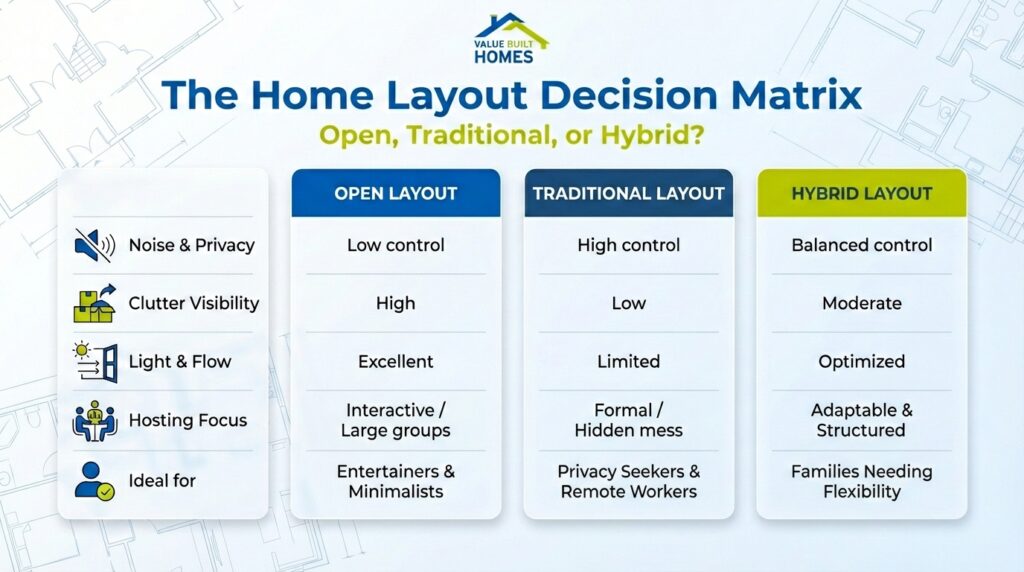
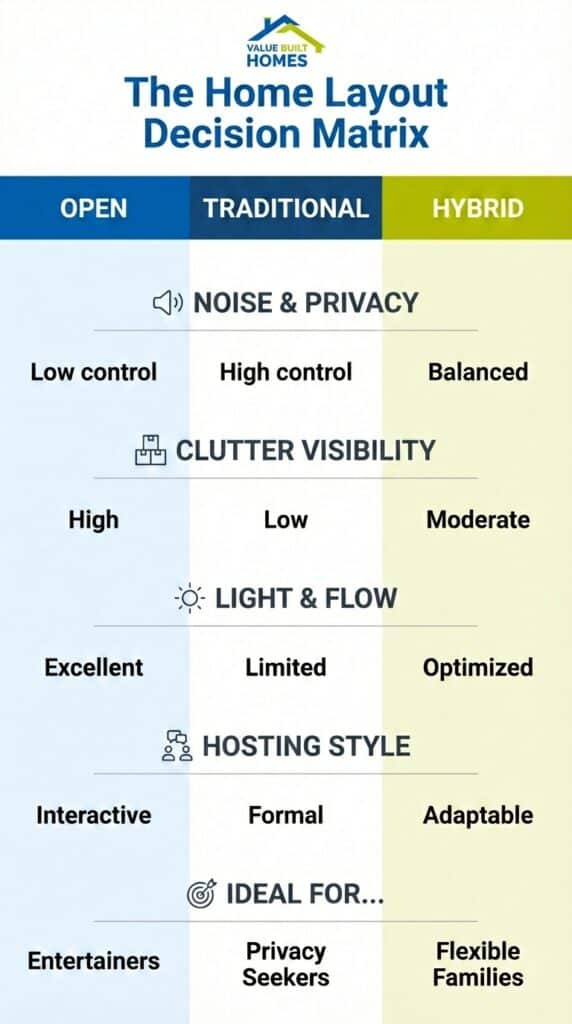
Use this scorecard as a quick reference to determine which floor plan best suits your lifestyle.
Open-Concept Layout
- Perfect if:
- You enjoy an airy, communal space and don’t mind minor clutter being visible.
- You host frequently and prefer an environment that encourages social interaction.
- Natural light and a flexible, modern aesthetic are your top priorities.
Traditional Layout
- Ideal if:
- Privacy and noise control are essential for your daily routine.
- You appreciate designated rooms that enhance organization.
- A classic home aesthetic with clear functional boundaries is most appealing.
Hybrid Layout
- Best if:
- You need a mix of open spaces and private zones.
- Flexibility to adapt areas for work, relaxation, or play is important.
- A balance between sociability and seclusion suits your household dynamics.
Pitfalls to Avoid
- For Open Layouts: Overlooking the need for quiet areas can be problematic.
- For Traditional Layouts: Excessive segmentation might hinder social connectivity.
- For Hybrids: Over-customization can disrupt the natural flow and create awkward transitions.
How to Read and Assess a Floor Plan
Understanding a floor plan helps you visualize how the design will translate into everyday living.
- Entry Points and Sightlines: Evaluate what is immediately visible when you enter. A welcoming entry that exposes too much clutter may not suit everyone.
- Flow Between Spaces: Check how the kitchen, dining, and living areas connect. Ensure there are no bottlenecks that could impede movement during busy times.
- Bedroom Placement: Consider the placement of bedrooms relative to common areas, especially if noise reduction is a priority for restful sleep.
- Storage and Functional Zones: Look for the integration of closets, mudrooms, and pantries. These areas are crucial for keeping clutter under control.
- Practical Traffic Flow: Assess hallway widths and door placements to ensure that movement throughout the home will be smooth, particularly in high-traffic areas.
Designing with Hybrid Layouts: Practical Customization Ideas
Hybrid layouts offer versatility. Here are some ideas to tailor a hybrid design for maximum comfort and functionality.
- Add Partial Walls or Cased Openings: Use half-height walls or framed openings to create subtle divisions between spaces without compromising openness.
- Use Sliding or Pocket Doors: Incorporate movable partitions that can open wide during gatherings and close for privacy when needed.
- Create Dedicated Buffer Zones: Build areas like pantries or mudrooms as transitional spaces to manage clutter and separate functional zones discretely.
- Utilize Zoning Elements: Different flooring or lighting in adjacent areas can delineate spaces visually, enhancing the overall aesthetic without physical barriers.
- Incorporate Multi-Functional Spaces: Design rooms that can serve dual purposes, such as a den that doubles as an office or playroom, adapting to changing needs over time.
Matching Layouts to Your Functional Needs
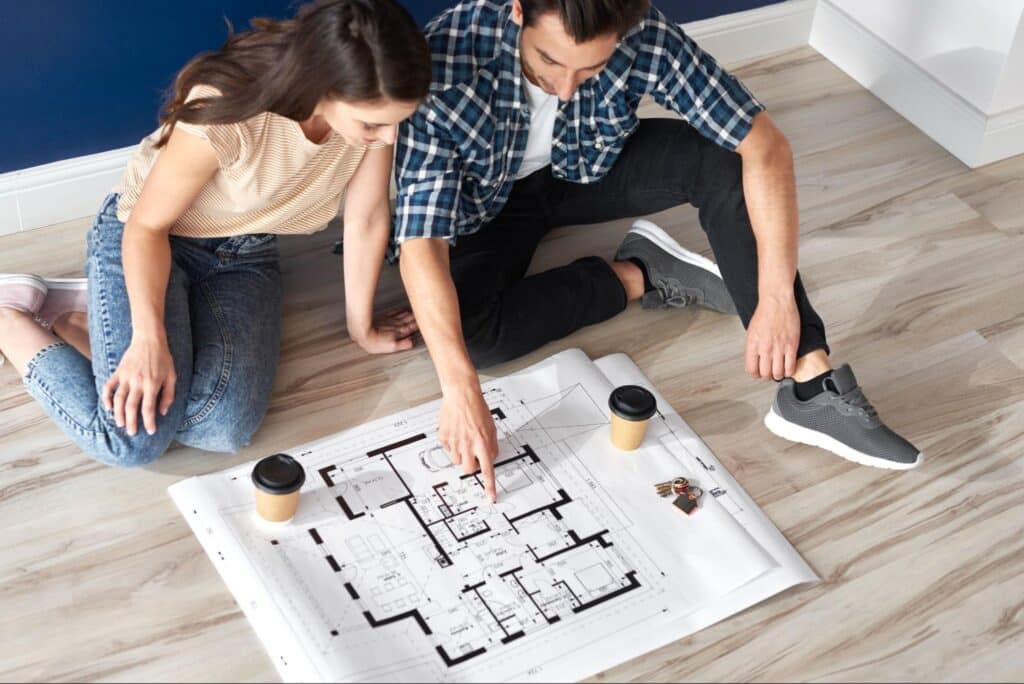
The ideal layout should align with practical considerations alongside aesthetic appeal.
- Consider the Size of Your Home: Larger homes may benefit from more enclosed spaces to maintain intimacy, while smaller homes might rely on open layouts to promote a sense of space.
- Family Size and Routine: A growing family may need flexible areas. Traditional layouts offer quiet zones, while hybrid designs can accommodate both play and study areas effectively.
- Storage Requirements: Ensure the layout includes spaces for built-in storage. Custom storage solutions can be integrated into open or hybrid plans to keep areas understated and organized.
- Flexibility for Future Changes: Your home should grow with you. Hybrid layouts are particularly strong in providing adaptable spaces that can evolve with changing work or family needs.
Real-World Layout Scenarios: What This Looks Like in New Construction
Example 1: Ranch with Split Bedrooms
What it is: A one-story plan where the primary suite sits on one side of the home and secondary bedrooms are on the other (often with living spaces in the middle).
Why buyers pick it:
- Parents want privacy from kids/guests (and a quieter primary suite).
- Shift workers can sleep during the day without hallway traffic outside the bedroom.
- Great for aging-in-place or anyone who wants fewer stairs.
- Watch-outs: If the kids’ rooms are far away, some families with very young children prefer bedrooms closer together.
- Best for: Families who want separation, multigenerational households, and buyers prioritizing quiet.
Example 2: Two-Story with an Upstairs Loft
What it is: Bedrooms upstairs plus a loft that works as a second hangout zone (often used as a playroom, teen lounge, or homework hub).
Why buyers pick it:
- Keeps the main level cleaner when kids’ stuff lives upstairs.
- Creates a “buffer” between bedrooms (helpful for noise control).
- Makes it easier for remote workers to keep work separate from entertaining downstairs.
- Watch-outs: Loft railings can carry sound; consider partial walls or built-ins if you want more separation.
- Best for: Growing families, parents who want a kid zone, and anyone who likes “two living rooms.”
Example 3: Open Main Level with Kitchen Sightlines to a Play Area
What it is: Kitchen island facing the great room (and ideally visible access to a play nook/loft/den).
Why buyers pick it:
- Parents can cook while watching kids.
- Works well for hosting because guests naturally gather around the kitchen.
- Creates a bright, connected feel—even in smaller square footage.
- Watch-outs: Toys and clutter are more visible; built-in storage (or a nearby closet) makes a big difference.
- Best for: Young families, frequent hosts, and households that like shared daily routines.
Example 4: Semi-Open (Hybrid) Layout with a Pocket Door Office
What it is: An office near the front of the home or off the main living area with a door that closes (swing, barn-style, or pocket door).
Why buyers pick it:
- You can take calls without kitchen noise.
- Creates a professional space for video meetings.
- Doubles as a homework room or guest room if designed with a closet.
- Watch-outs: Glass doors look great but don’t block sound as well—solid-core doors help.
- Best for: Remote workers, hybrid workers, students, and anyone needing quiet focus time.
Example 5: Traditional-Style Defined Dining Room (Hosting + Formal Space)
What it is: A dining room separated from the kitchen/great room—either fully enclosed or framed with wide cased openings.
Why buyers pick it:
- Makes holidays and special events feel more “intentional.”
- Helps hide kitchen mess when guests arrive.
- Creates a flexible room that can become a sitting room or study. Watch-outs: If you rarely host, it can become underused—consider a hybrid approach (partial separation).
- Best for: Buyers who entertain formally, prefer classic layouts, or want more room definition.
FAQs About Floor Plans: Quick Answers
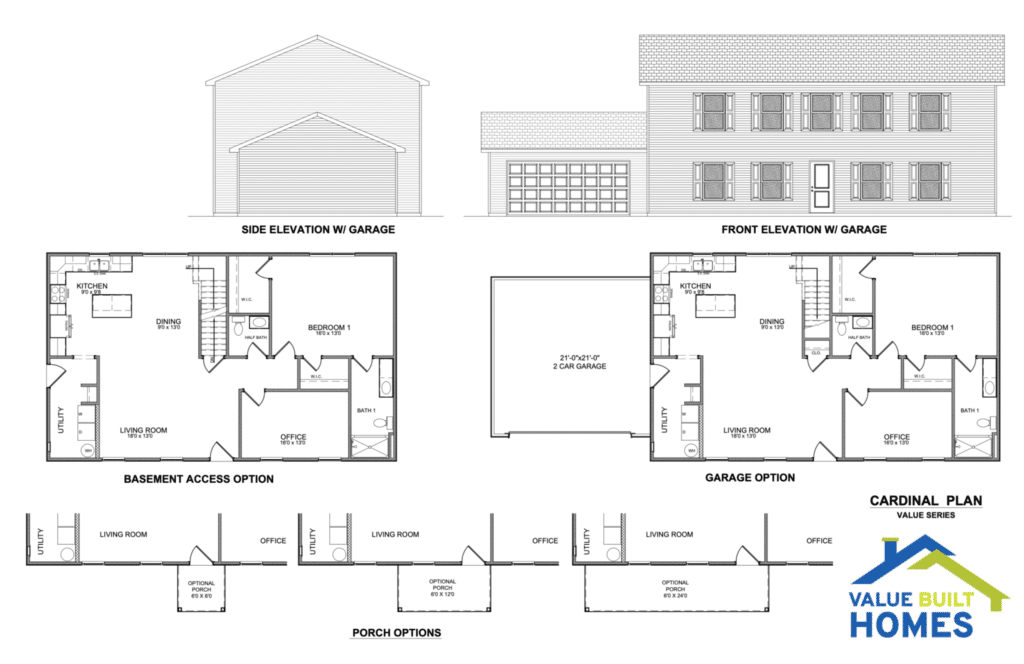
Are Open Floor Plans More Affordable to Build?
Open layouts can reduce costs by minimizing the amount of wall construction needed. However, when key load-bearing walls are removed, additional investments in structural supports like beams or columns may be necessary. Thus, while you might save on partition materials, the overall expense will depend on your home’s specific structural requirements.
How Do Layouts Affect Resale Value?
Both open and traditional plans have strong resale appeal when well-designed. Hybrid layouts are increasingly popular due to their flexibility.
Which Layout Is Best for My Household?
- Families with children may enjoy open or hybrid spaces.
- Couples or small households might prefer the simplicity of an open layout.
- Remote workers often need the quiet of a traditional or hybrid design.
What If Partners Disagree on a Layout?
A hybrid layout can provide a compromise by combining open areas with private spaces. Start with a list of must-haves from each partner to find common ground.
How Can I Incorporate a Home Office?
Options include a fully enclosed office for complete privacy or a semi-private nook in a hybrid layout that offers flexibility without fully isolating the space.
Your Path to the Perfect Home Starts Here
Choosing the right floor plan is not just about aesthetics—it’s about creating a functional space that complements your lifestyle. Whether you’re drawn to the expansive flow of an open plan, the structure of a traditional layout, or the balanced flexibility of a hybrid design, aligning your choice with your daily routines is key.
Value Built Homes offers a range of affordable, thoughtfully designed options that meet the practical needs of Indiana families. By simplifying the design process, we help you focus on creating a home that is both beautiful and uniquely tailored to you. Connect with our team to start building a home that truly feels like yours. Your dream home is closer than you think.