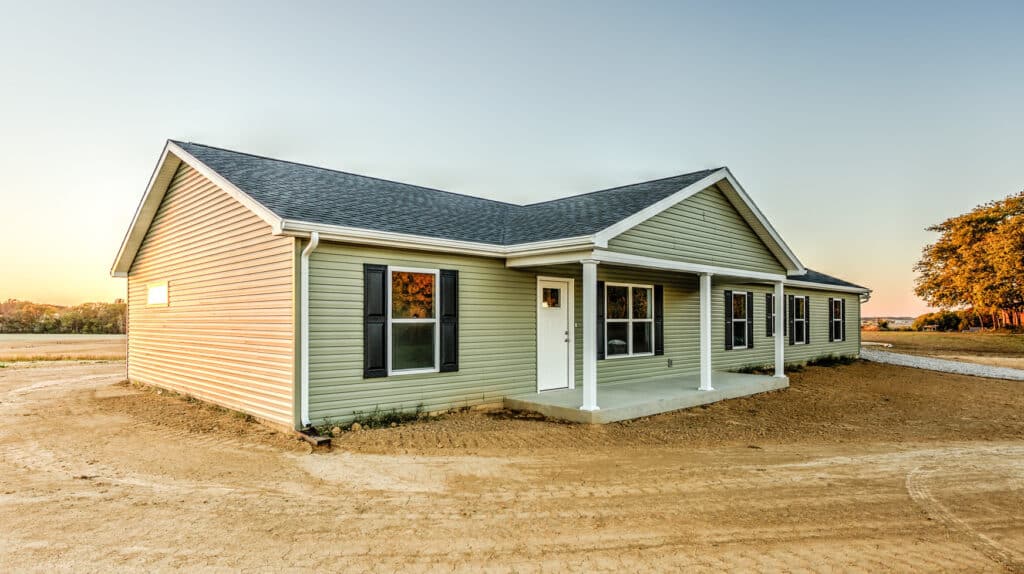
If you’re building a new home in 2026, homeowners insurance is worth more of your attention than it might have gotten in past years. Premiums are up nationally, coverage is tightening in some markets, and insurance has quietly become the fastest-growing component of the monthly housing payment for many buyers. The good news — and it’s real — is that homeowners insurance for new construction homes tends to cost less than for older homes, and Indiana buyers start from a lower baseline than most of the country. But that advantage only holds if you avoid the coverage traps that catch new buyers off guard.
Key Takeaways
Before you shop for a policy or close on your new home, here’s what matters most:
- Premiums are up 21% nationally over the past three years and are projected to climb another 8% in 2026 — but Indiana homeowners pay 31% below the national average, which is meaningful budget protection.
- New construction homes cost less to insure than older properties, thanks to new roofs, modern systems, and current building code compliance.
- Builder’s risk insurance covers your home during construction; standard homeowners insurance begins at closing. Confirm the exact transition date with your lender before you close.
- Dwelling coverage should equal your home’s rebuild cost, not its market value — a common mismatch that leaves buyers underinsured, especially as Midwest construction costs have risen.
- Standard homeowners insurance never includes flood coverage. A separate flood policy is required for any property in or near a floodplain.
- Deductibles rose 22% in 2025 as insurers shifted more financial risk to homeowners — factor that number into your budget alongside the premium.
Why Homeowners Insurance Costs Are Rising in 2026
Three overlapping forces are pushing premiums higher across the country: more frequent climate-driven disasters, higher construction and rebuilding costs, and rising costs for the reinsurance carriers rely on to cover large-scale losses.
Premiums have risen 21% nationally over the past three years and are on track to increase another 8% in 2026, according to Westwood Insurance Agency — now the fastest-growing component of the monthly housing payment for many homeowners. The scale of recent weather losses is part of the explanation: severe convective storms in the Midwest and Southeast caused $42 billion in insured losses through September 2025, surpassing hurricanes as the leading weather peril that year.
Premium growth is actually slowing. The average new policy premium rose 8.5% year over year in 2025, according to Matic, down from an 18% spike in 2024 — a sign the market is stabilizing. But costs remain well above where they were three years ago, and deductibles rose 22% in 2025 as insurers shifted more financial responsibility onto policyholders.
Why Indiana Buyers Are in a Better Position Than Most
Geography matters in insurance pricing, and Indiana is not a coastal market. That fact shows up directly in premium averages.
The average Indiana homeowners insurance premium is $1,666 per year for $300,000 in dwelling coverage — about 31% below the national average of $2,424, working out to roughly $139 per month. For buyers putting together a detailed monthly budget, that gap is real money.
That doesn’t mean Indiana is risk-free. Tornadoes have increased in frequency here by 38% over the past two decades, and Midwest convective storms now represent the largest insured-loss category nationally. But Indiana homeowners carry that risk at a considerably lower premium than buyers in Florida, California, or the Gulf Coast.
Why New Construction Gets a Better Deal on Insurance
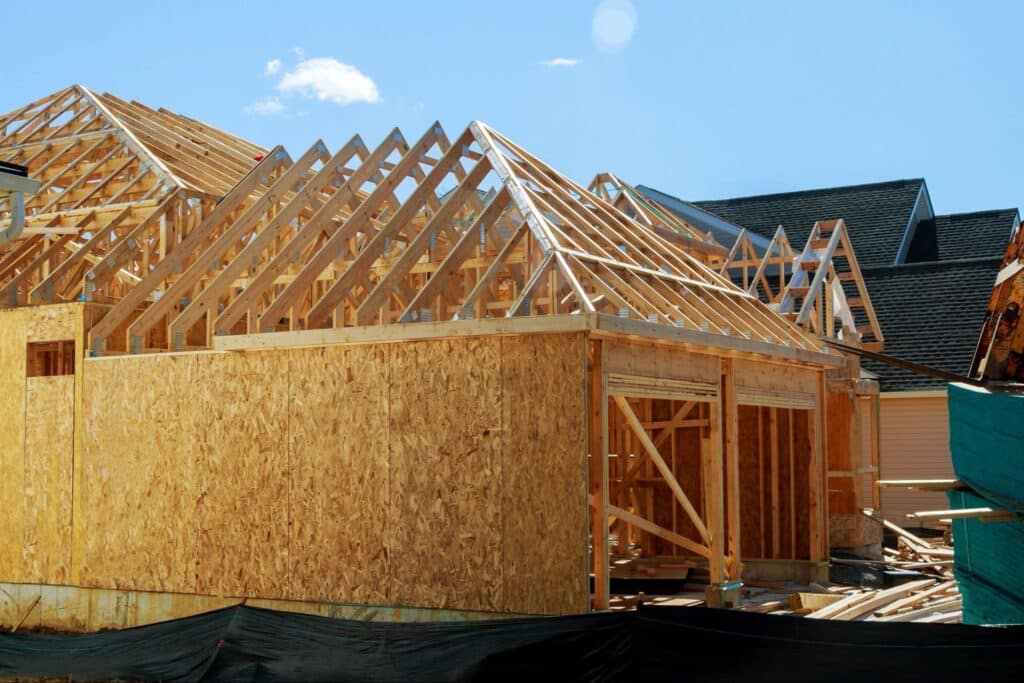
Insurance pricing is based on risk. A brand-new home represents materially lower claim risk than a 30- or 40-year-old house with aging systems and accumulated wear. Here’s what drives the difference:
- New roof: Roof age is one of the most significant variables in insurance pricing. A new home starts with a clean slate — no wear, no prior claims, no deferred maintenance.
- Modern electrical and plumbing: Updated systems carry a lower probability of fire and water damage claims, which are among the most expensive perils for insurers.
- Current building code compliance: Homes built to today’s codes are structurally stronger, use safer materials, and meet updated standards for wind, fire, and energy performance.
- No prior claim history: Insurers consult the CLUE (Comprehensive Loss Underwriting Exchange) database when pricing policies. New construction has no prior claims attached to it.
The numbers bear this out. State Farm data via Insurify shows $1,392/year for a newer home vs. $1,995 for a home built in 1940 — a $600/year gap that adds up over time.
For buyers choosing Value Built Homes, this advantage starts at the build itself. Value Built Homes constructs every home using modern materials, current code-compliant techniques, and the energy-efficient building practices that today’s insurers recognize and reward. Learn more about how Value Built Homes approaches new home construction.
Coverage Gaps That Catch New Construction Buyers Off Guard
Lower baseline premiums are a real advantage. But new construction buyers face a specific set of coverage gaps that can cause serious financial harm if you don’t address them before you close.
Builder’s Risk Insurance vs. Homeowners Insurance
Your new home passes through two separate phases of insurance, and the handoff between them is where buyers most commonly fall short.
- Builder’s risk insurance covers the structure while it’s under construction — against fire, theft, vandalism, and weather damage during the build phase. It’s typically arranged by the builder or lender and expires at or near the time construction is complete.
- Homeowners insurance begins when you take ownership at closing.
The gap: if your homeowners policy isn’t in place and active before closing, there can be a window — however brief — where neither coverage applies. Lenders require proof of insurance at closing, so this isn’t a step you can defer to move-in week. Ask your lender when the builder’s risk policy ends, and have your homeowners policy confirmed and active no later than your closing date.
Value Built Homes’ free construction financing program helps buyers manage costs during the build phase — another reason to understand how the financing and insurance timelines align before you’re under contract.
Dwelling Coverage: Don’t Confuse Rebuild Cost with Market Value
This is the most common underinsurance mistake new buyers make, and it’s one that often goes unnoticed until a total loss occurs.
Your dwelling coverage limit should equal the cost to reconstruct your home from the ground up — materials, labor, and debris removal. Not what you paid for it. Not what it’s worth on the open market. Those numbers are often different, and in 2026 they’re further apart than usual.
Supply chain disruptions have specifically increased material pricing across Indiana, Illinois, Ohio, and neighboring Midwest states, meaning rebuild costs are higher than policies set years ago may reflect. When reviewing your policy options, ask specifically about replacement cost coverage (not actual cash value), and verify the dwelling limit against current construction costs per square foot in your area.
Flood Insurance Is Never Included
Standard homeowners insurance doesn’t cover flooding — not from storms, rivers, or groundwater — regardless of carrier or policy tier. Flood coverage requires a separate policy, typically through FEMA’s National Flood Insurance Program or a private insurer.
This is worth flagging specifically for buyers in Value Built Homes’ Waterfront Villas subdivision in Vincennes, which sits near the Wabash River corridor. Look up your lot’s flood zone designation in FEMA’s flood map tool before you finalize your coverage — before closing, not after.
Deductibles Are Higher Than They Used to Be
Average homeowners insurance deductibles rose 22% in 2025, according to Matic, following a 15% increase the year before. A policy with a $2,500 or $5,000 deductible may carry a lower monthly premium, but that deductible is the amount you’ll need to cover out of pocket before insurance kicks in after a covered loss. Build that number into your emergency planning, not just your premium comparison.
For a complete view of everything that goes into your monthly housing cost — including insurance, mortgage principal, interest, taxes, and maintenance reserves — the All-In Monthly Payment Checklist for Indiana Homebuyers walks through every line item.
How to Get Homeowners Insurance Right When You’re Building New
A few steps that make the process easier and reduce the chance of a coverage gap:
- Start shopping 30–60 days before your expected closing. Don’t wait until the week before. Getting quotes early gives you time to compare, ask questions, and confirm your policy activates on the right date.
- Set dwelling coverage at rebuild cost, not purchase price. Ask your insurer to use a replacement cost estimator calibrated to Indiana construction costs. Your agent can help you get this number right.
- Ask about new construction discounts. Most carriers offer lower rates for newer homes. Confirm your quotes reflect the build year and the specific materials and systems in your home.
- Check your flood zone before you commit. Look up your lot address in FEMA’s flood map tool. If you’re in a special flood hazard area, your lender will likely require a separate flood policy.
- Understand your deductible before you choose a plan. Pick a deductible you could actually pay in an emergency — not just one that minimizes your monthly bill.
- Confirm the builder’s risk handoff. Know the exact date your builder’s risk coverage ends and make sure your homeowners policy is active and confirmed before that date.
The long-term financial advantages of building new — lower maintenance costs, energy savings, and insurance pricing — are covered in depth in Smart Savings with New Construction, where insurance savings are one piece of the full picture.
Frequently Asked Questions About Homeowners Insurance for New Construction
Is homeowners insurance cheaper for new construction homes?
Generally, yes. New homes qualify for lower premiums because they have new roofs, modern electrical and plumbing systems, current building code compliance, and no prior claim history — all factors that reduce risk for insurers. Bankrate data shows the average annual premium for a home built in 2020 runs about $2,182 nationally for $300,000 in dwelling coverage, compared to meaningfully more for older homes.
What is builder’s risk insurance, and who pays for it?
Builder’s risk insurance covers a home during construction — protecting against fire, theft, vandalism, and weather damage before the home is complete. It’s typically arranged and paid for by the builder or lender and expires around the time construction wraps up. Your standard homeowners policy picks up coverage at closing. Confirm the exact transition date with your lender so there’s no gap between the two.
What’s the difference between a builder’s warranty and homeowners insurance?
They cover completely different things and work alongside each other — not as substitutes for one another. The 2-10 Home Buyers Warranty that Value Built Homes provides covers structural defects, systems defects, and workmanship issues in the construction itself. Homeowners insurance covers damage from covered events like fire, wind, hail, and theft. If a storm damages your roof, that’s an insurance claim. If a structural defect develops in the home, that’s a warranty claim.
Does homeowners insurance cover flooding?
No — and this is one of the most common misconceptions among new buyers. Standard homeowners insurance never includes flood coverage, regardless of carrier or premium tier. Flood damage from storms, rivers, or groundwater requires a separate flood policy, typically through FEMA’s National Flood Insurance Program. Check your lot’s flood zone designation before you finalize your insurance plan.
How much dwelling coverage do I actually need for a new home?
Your dwelling limit should reflect the cost to rebuild your home from the ground up — not its market value or what you paid for it. In Indiana’s current construction environment, those numbers may be further apart than they’ve been historically. Ask your insurer for a replacement cost estimate and verify it accounts for today’s material and labor costs in your area. Replacement cost coverage (not actual cash value) is the right policy type for new construction.
Ready to Explore Your Options?
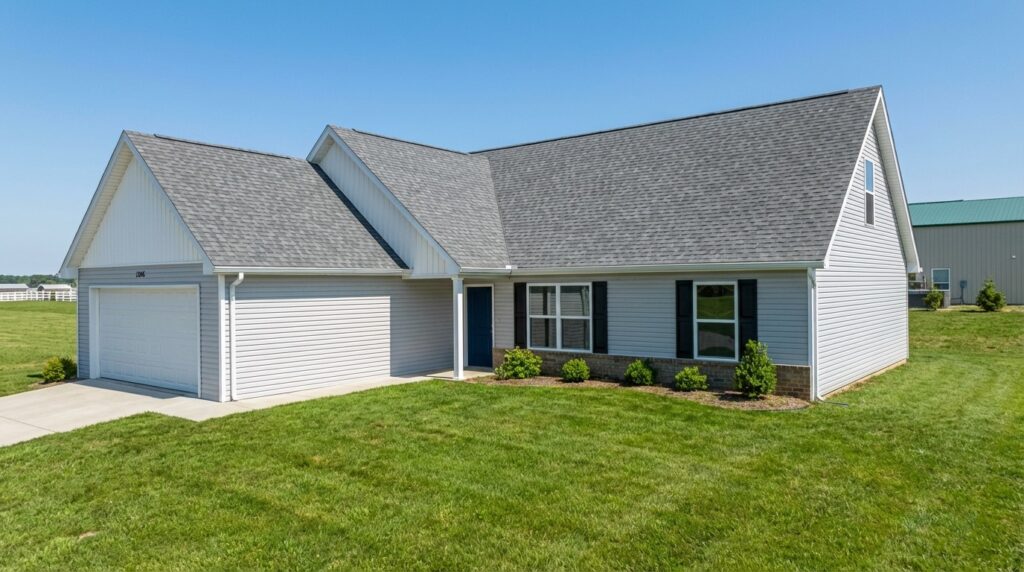
Building new in Indiana in 2026 means starting with a home that’s positioned to cost less to insure, backed by a structural warranty and constructed to current standards that insurers recognize.
Browse Value Built Homes’ floor plans to see what’s available in Southwestern Indiana, or contact the Value Built Homes team with questions about building in the area.