Building a home in Indiana is an exciting milestone, but before you select floor plans and finishes, it’s important to consider essential exterior costs. One often overlooked aspect is driveway installation and site access preparation. These elements ensure safe, functional, and attractive access to your property while meeting local weather and regulatory requirements.
This guide focuses on the key factors that drive driveway installation costs in Indiana. We cover material options, site-specific challenges, and tips for budgeting effectively so you can plan with confidence and avoid unexpected expenses.
Understanding Driveway Installation and Site Access Basics
Driveway installation involves more than simply laying a path from the road to your home. It requires selecting the appropriate surface material, preparing the land through clearing and grading, and addressing drainage and permitting needs.
Site access preparation includes creating a stable entry route, handling temporary access for equipment, and ensuring that utility connections and soil stabilization are in order. These processes vary based on your property’s existing conditions and can significantly influence the overall cost.
Unique Factors in Indiana
Indiana’s climate and local regulations impact both driveway and site access projects. The state’s harsh winters with frequent freeze-thaw cycles can be tough on materials like asphalt and concrete. Similarly, heavy rains demand proper drainage solutions to avoid pooling and erosion. Local rules may also affect driveway dimensions and connections to public roads, making it critical to factor these elements into your planning.
Key Factors Influencing Driveway Costs in Indiana
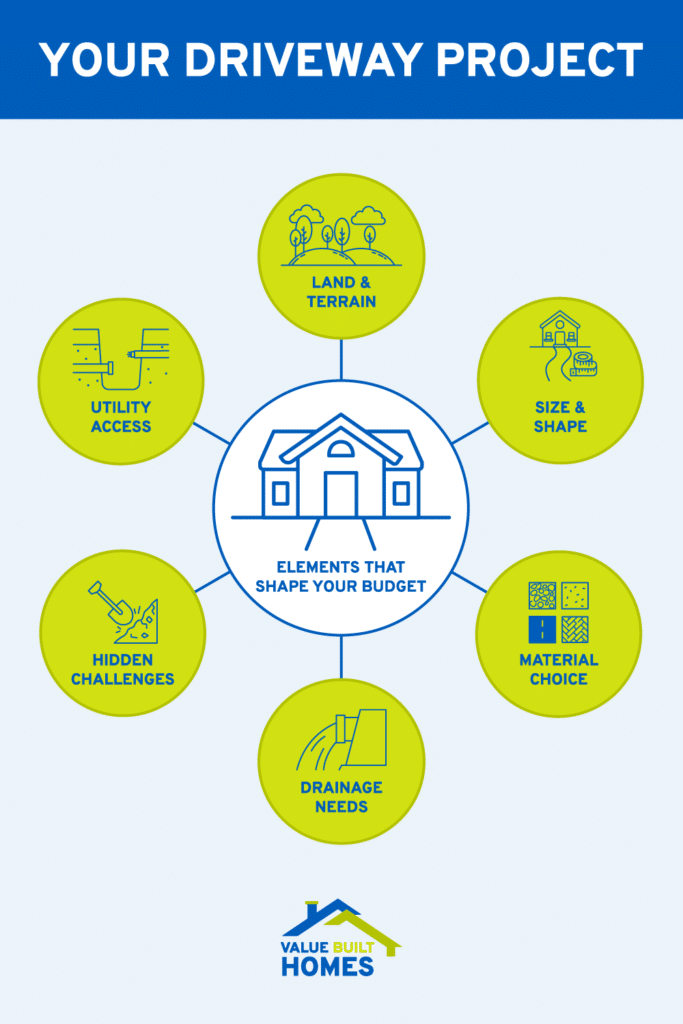
The final cost of your driveway and site access is not a single line item but a combination of several critical factors. From the ground beneath your property to the materials you choose, understanding these six elements will empower you to create a precise and realistic budget.
1. Land Type and Terrain
The natural state of your land is the starting point for all cost calculations. Indiana properties vary widely, and each type presents different challenges.
- Flat Land: Ideal for construction, this terrain requires minimal grading and clearing, keeping preparation costs low.
- Uneven or Sloped Terrain: This is more complex and costly, as it demands extensive grading, excavation, and potentially retaining walls to create a stable, safe slope for your driveway.
- Wooded or Rocky Areas: Properties with dense trees, large roots, or underground boulders will incur additional costs for removal and clearing, which requires specialized labor and equipment.
2. Driveway Length and Layout
The size and shape of your driveway directly influence both material and labor expenses.
- Length: A longer driveway requires more raw materials, a deeper sub-base, and often more sophisticated drainage solutions, increasing the overall cost.
- Layout: A simple, straight driveway is the most cost-effective design. Complex layouts with curves or turns require more intricate grading and forming, which adds to the labor costs.
3. Material Choices and Durability
The surface material you select is one of the most significant cost variables. Each option offers a different balance of upfront price, long-term durability, and maintenance needs, especially in Indiana’s climate.
- Gravel: The most affordable option, ideal for long, rural driveways. It requires periodic regrading to maintain a smooth surface. Learn more about driveways with gravel and their benefits.
- Asphalt: A popular choice that balances cost and durability. However, it needs proper maintenance and sealing to prevent cracking during Indiana’s freeze-thaw cycles. For further insights, read about asphalt driveways.
- Concrete: While it has a higher upfront cost, concrete offers exceptional longevity and durability. It requires professionally installed expansion joints to manage temperature changes without cracking. Discover the pros and cons of concrete driveways.
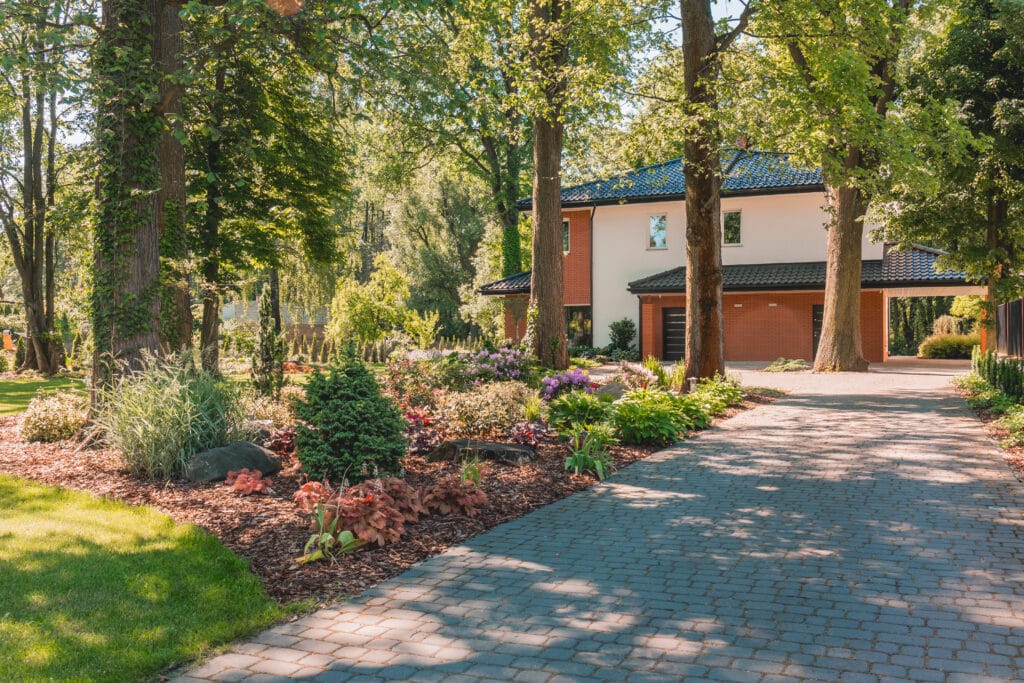
- Pavers: Often considered a premium choice for their aesthetic appeal, pavers can vary widely in cost. Concrete pavers can be a cost-effective option, while natural stone pavers are a more significant investment. Check out ideas on choosing driveway pavers.
4. Drainage and Water Management
Proper drainage is not an optional add-on; it is essential for protecting your investment from water damage and erosion.
- Grading and Slope: The driveway must be graded with a precise slope to ensure water channels away from your home’s foundation.
- Culverts and Swales: For longer driveways or properties on a slope, culverts (pipes) and swales (shallow channels) are often necessary to manage heavy rain and snowmelt effectively.
- Advanced Systems: In areas prone to water accumulation, additional drainage systems may be needed to prevent pooling and extend the life of your driveway, saving you money on future repairs.
5. Hidden Terrain and Soil Challenges
Sometimes, the biggest cost drivers are the ones you can’t see until excavation begins. It’s wise to budget for potential surprises.
- Unstable Soil: Soil with high sand or clay content may lack the stability to support a driveway and could require stabilization with geotextile fabrics or aggregate additives.
- Encountering Bedrock: Hitting solid bedrock can halt a project and require heavy machinery or blasting for removal, significantly increasing costs.
- Buried Debris: It’s not uncommon to discover old tree stumps, roots, or construction debris buried underground during clearing, which will need to be removed.
6. Utility Access and Extensions
Site preparation isn’t just about the driveway; it’s also about ensuring your home can connect to essential services.
- Trenching and Installation: If your build site is far from existing municipal lines, you will need to budget for the cost of trenching to run water, sewer, electricity, and gas lines to your home.
- Coordination and Fees: This work often involves coordinating with multiple utility companies and may include connection fees or the cost of rerouting existing lines if they interfere with your site plan.
Average Driveway Installation Costs in Indiana
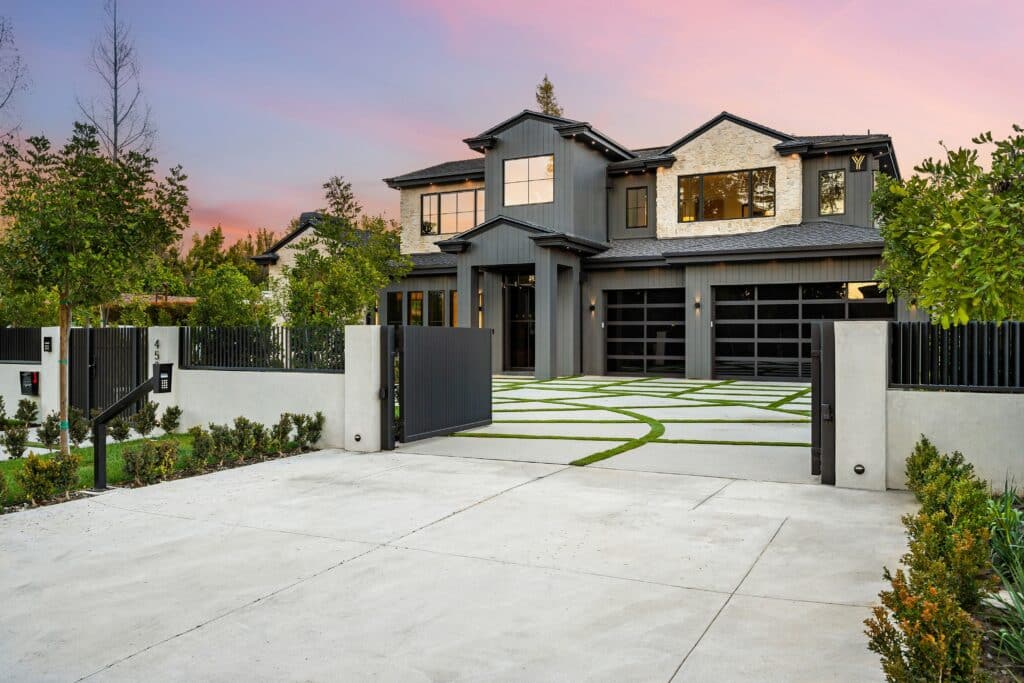
While the factors we’ve discussed will shape your final project cost, it’s helpful to have a baseline understanding of what you can expect to pay for different materials in Indiana. The figures below represent the average installation cost per square foot, including basic site preparation according to Promatcher.
Remember, these are estimates. A complex site with significant grading or clearing needs will increase these costs.
- Gravel Driveway Cost: Approximately $1 to $2 per square foot. This is the most budget-friendly option, especially for long driveways in rural settings.
- Asphalt Driveway Cost: Around $3 to $5 per square foot. Asphalt offers a durable, smooth surface for a mid-range price point, making it a popular choice.
- Concrete Driveway Cost: Approximately $4 to $8 per square foot. Although the upfront cost is higher, concrete’s longevity and low maintenance can make it a cost-effective investment over time.
- Paver Driveway Cost: Approximately $12 to $25 per square foot. Pavers offer durability and aesthetic appeal but come at a higher cost. Complex patterns or natural stone pavers can increase the price further.
Navigating Indiana’s Permits and Environmental Regulations
Beyond the physical construction, successfully installing a driveway and preparing your site involves navigating a critical layer of local and state regulations. These rules are in place to ensure safety, protect the environment, and maintain community standards. Handling this process correctly from the start is essential to avoid costly fines, project delays, and future legal issues.
Here are the key compliance areas you need to manage:
- Driveway and Connection Permits: Most Indiana counties require a permit to ensure your driveway connects safely and correctly to a public road. This process often involves inspections to verify that the construction meets local codes for slope, width, and materials, ensuring it doesn’t disrupt public access or infrastructure.
- Stormwater Management and Erosion Control: Indiana’s regulations require homeowners to manage rainwater and snowmelt runoff from their property. Depending on the project, this can means obtaining a stormwater permit and implementing an approved drainage plan. On sloped sites, erosion control measures like silt fences may be required during construction to prevent soil from washing into neighboring areas or public waterways.
- Environmental Protections: If your property is located near wetlands, protected forests, or other environmentally sensitive areas, you will face stricter regulations. This could require special environmental reviews, dictate where your driveway can be placed, and mandate specific construction practices to minimize your project’s impact on the local ecosystem.
- Local Zoning and Ordinances: Every locality has its own set of zoning rules that can affect your project. These ordinances often dictate specific driveway dimensions, such as maximum width, required distance from property lines, and even what materials are permissible in certain neighborhoods.
Properly managing these permits and regulations is a non-negotiable step in the building process. Factoring in the time and potential costs for these approvals ensures your project proceeds smoothly and complies with all legal standards.
How to Budget and Balance Cost with Quality for Driveway and Site Access
Creating a realistic budget is essential to prevent financial surprises and keep your project on track. Consider these practical tips:
Tips for Accurately Estimating Costs
- Obtain Multiple Quotes: Compare estimates from several local contractors to ensure competitive pricing.
- Request Detailed Breakdowns: Ask for itemized estimates covering grading, materials, labor, drainage, and permit fees.
- Research Local Rates: Understand regional labor and material costs, which can vary significantly by county.
- Factor in Land Conditions: Account for any special needs, such as extra grading or clearing on uneven or wooded terrain.
- Weigh Material Options: Consider the balance between upfront costs and long-term maintenance for each material type.
Hidden Costs to Watch For
Be aware of potential unexpected expenses, such as:
- Rock or Debris Removal
- Permit-Related Delays
- Weather-Related Construction Impacts
- Utility Adjustments
Setting aside a contingency fund of 10–20% of your overall budget can help cover these unforeseen costs.
Balancing Cost and Quality
While reducing expenses can be important, compromising on quality may lead to higher costs in the long run. Consider:
- Durability: Investing in strong base layers and proper drainage systems prevents later repairs.
- Functionality: Pay for features that ensure the driveway meets your current and future needs.
- Aesthetics: High-quality finishes can enhance curb appeal and boost property value without excessive overspending.
Investing wisely in these areas ensures your driveway remains safe, functional, and attractive over time.
Value Built Homes’ Approach to Site Preparation
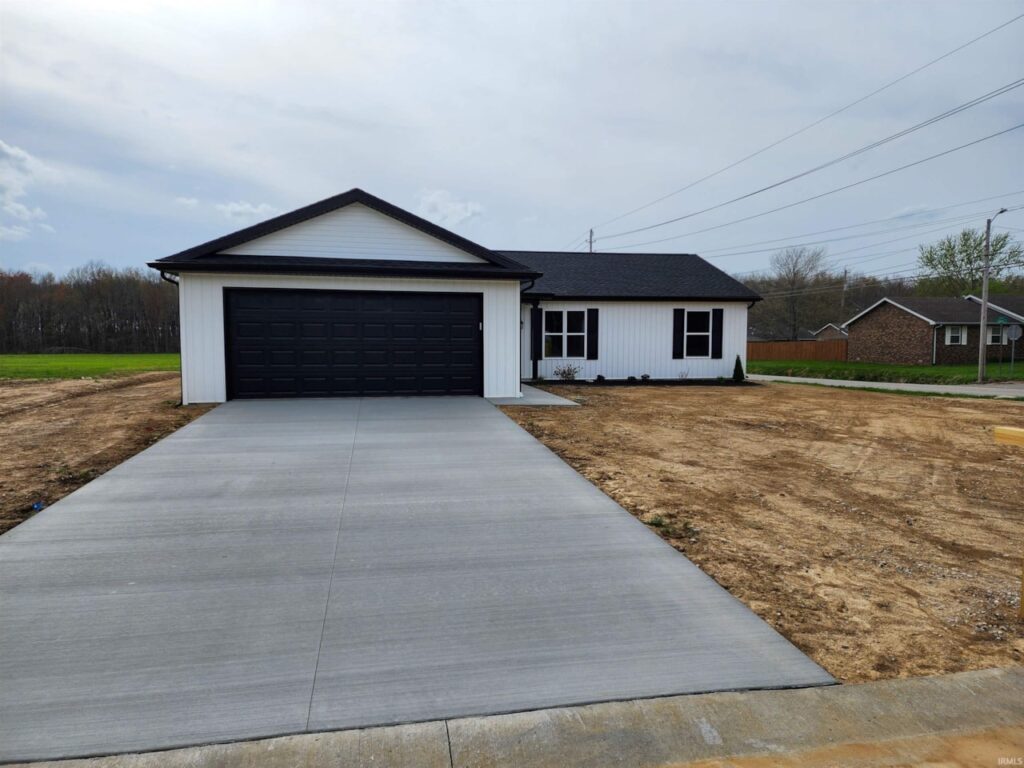
For many Indiana homebuyers, the complexities of driveway installation and site preparation can be overwhelming. Value Built Homes offers a streamlined approach to managing this stage of home construction.
Efficient Process and Standardization
Value Built Homes focuses on applying standardized methods in their building process. By using predetermined floor plans and partnering with trusted contractors, they reduce uncertainty and variability in site preparation costs. This approach helps minimize delays and keeps the project more predictable.
Expertise in Permitting and Regulatory Compliance
Value Built Homes demonstrates proficiency in handling permits and other regulatory requirements, streamlining the administrative processes involved in construction. Their experience helps speed up the process and may reduce delays associated with obtaining necessary approvals.
Transparent Communication
Clear communication is key to managing expectations. Value Built Homes provides straightforward guidance on material selection, grading details, and utility connections. This transparency helps homeowners understand each cost element, ensuring that no hidden fees arise during construction.
Common Questions About Driveway and Site Access Costs
What materials are most commonly used for driveway construction in Indiana?
Homeowners typically choose gravel, asphalt, concrete, or pavers, each offering a different balance of cost, maintenance, and durability.
How long does it usually take to prepare a site and install a driveway?
The timeline can range from a few days for flat, accessible lots to several weeks for properties with challenging terrain or extensive utility work. Weather conditions also play a significant role.
Can costs be reduced without compromising on quality?
Yes. Opting for mid-range materials, ensuring proper subbase and drainage installation, and obtaining competitive quotes can help manage expenses while maintaining durability.
Build with Confidence: Finalizing Your Driveway and Site Plan
Driveway installation and site access preparation are critical investments in your home’s functionality, safety, and curb appeal. By understanding how factors such as land type, layout, material choice, drainage, and permitting requirements influence costs, you can budget more effectively and avoid surprises. Whether you choose a simple gravel driveway or opt for a more permanent solution like concrete, pavers, or a combination of materials, careful planning is essential.
Value Built Homes offers a streamlined home building process that minimizes unexpected expenses through standardized plans, efficient permit handling, and transparent communication—helping you build a home that meets your quality and functional expectations.Reach out to Value Built Homes today to learn how we can guide you through a stress-free, cost-effective construction experience.